Introduction
India stands at the cusp of a historic energy transition. As one of the fastest-growing economies in the world, our energy demand is poised to double by 2032. Meeting this demand sustainably is not just a climate imperative, but also an economic and strategic necessity. The growth story of India’s renewable energy (RE) sector is one of ambition, resilience, and opportunity—yet, it is clear that we need to move faster, smarter, and more collaboratively.
The Growth So Far: Impressive But Needs Scaling
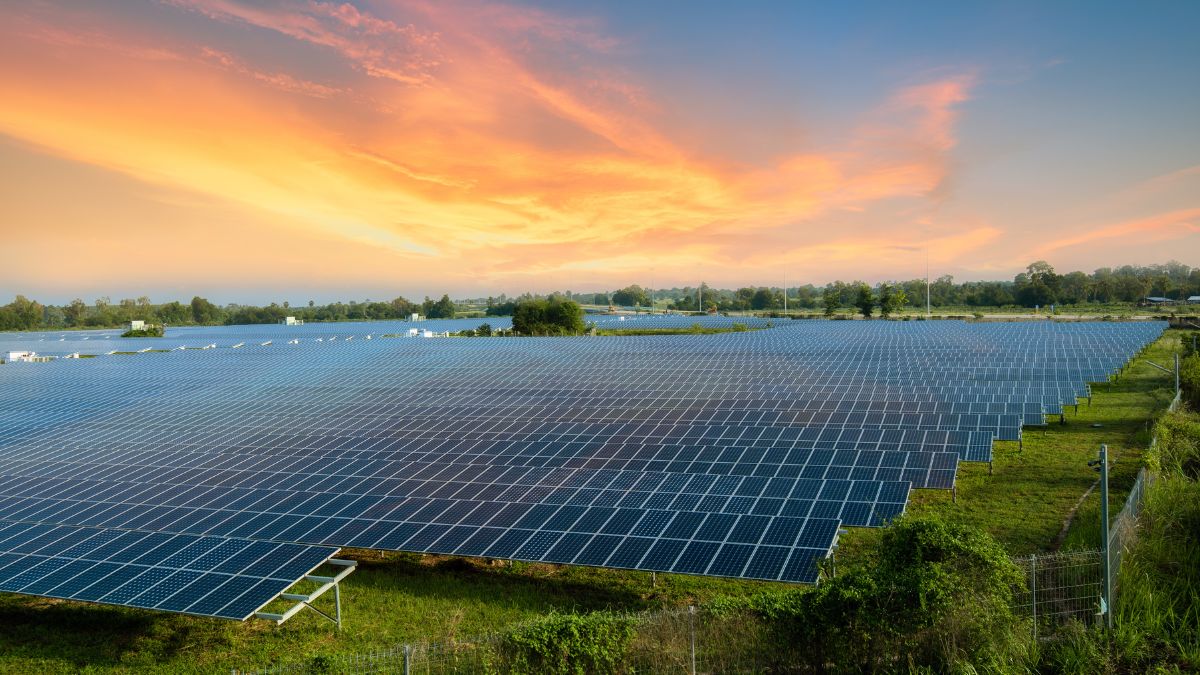
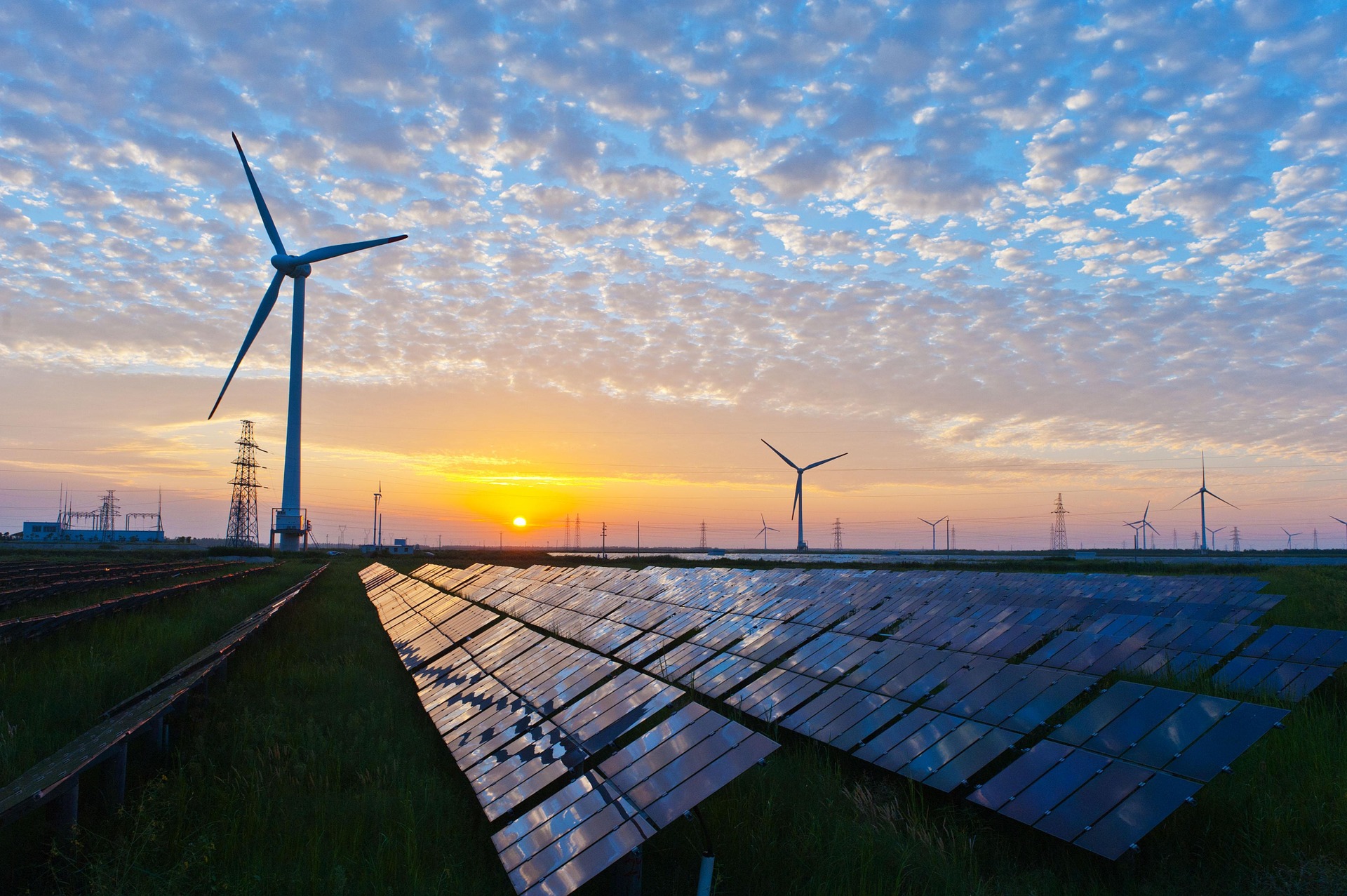
India’s renewable energy landscape is evolving rapidly, with installed capacity reaching 220.10 GW as of March 31, 2025. This includes 105.65 GW from solar power and 50.04 GW from wind energy — two of the most scalable and widely adopted clean technologies. Smaller but vital contributions come from bioenergy (11.58 GW) and small hydro power (5.10 GW), reinforcing the diversity of India’s energy mix.
This growth reflects not only substantial natural potential but also strong policy support and growing market confidence. Alongside installed capacity, India has a massive pipeline of over 234 GW in renewable projects under implementation or already tendered, pointing to a dynamic and fast-expanding sector. Together, these efforts underscore India’s readiness to tap into its estimated 2,100+ GW clean energy potential and accelerate the shift toward a more resilient, low-carbon economy.
Looking ahead, India’s transition is being shaped by emerging technologies such as hybrid systems, round-the-clock (RTC) renewable power, and thermal-renewable energy bundling. These innovations aim to improve grid reliability while maximising renewable utilisation. As clean energy becomes increasingly central to national development, India’s renewable strategy promises not only to meet energy demand sustainably but also to serve as a model for other developing economies
The Target Ahead: 500 GW by 2030
India has set an ambitious target of achieving 500 GW of non-fossil fuel capacity by 2030, and meeting 50% of its electricity needs from renewables. This means nearly doubling the pace of RE deployment in the next five years. But achieving this target is not merely about adding capacity—it is about ensuring that renewable energy is reliable, dispatchable, and affordable.
What India Needs to Do to Scale Renewable Energy Generation
1. Strengthen Grid Infrastructure and Flexibility
- Modernize transmission and distribution (T&D) networks to handle variable RE power flows.
- Expand the Green Energy Corridor, including inter-state transmission lines and evacuation systems for solar/wind-rich states.
- Deploy flexibility solutions:
- Pumped hydro and battery storage
- Gas peakers and demand response
- Smart grid infrastructure and digital controls
- Create regional balancing mechanisms and ancillary service markets to maintain grid stability.
2. Streamline Policy and Regulatory Frameworks
- Harmonize policies across states to avoid delays and regulatory uncertainty.
- Mandate Renewable Purchase Obligations (RPOs) with strict enforcement.
- Implement market-based economic dispatch to prioritize lowest-cost clean energy.
- Accelerate approval timelines for RE projects (land, forest clearances, transmission connectivity).
3. Unlock Financing and De-risk Investments
- Expand access to low-cost, long-tenure finance via green bonds, blended finance, and development banks.
- Operationalize payment security mechanisms to mitigate DISCOM default risks.
- Create credit enhancement facilities for storage and emerging technologies.
- Support Viability Gap Funding (VGF) for offshore wind, and floating solar.
4. Drive Energy Storage and Hybrid Projects
- Scale up Battery Energy Storage Systems (BESS) for daily and intra-day balancing.
- Promote solar-wind-storage hybrid models to smooth power output profiles.
- Leverage pumped hydro potential (~100+ GW viable capacity) with fast-tracked projects.
- Develop regulatory frameworks for co-located storage and standalone storage participation in energy markets.
5. Foster Distributed and Community Renewables
- Enable municipalities and housing societies to invest in shared solar systems through favourable regulations
- Encourage peer-to-peer (P2P) energy trading using blockchain or digital platforms.
- Create RE industrial clusters with plug-and-play facilities and export orientation.
6. Strengthen Workforce and Capacity Building
- Train engineers, electricians, and technicians in:
- Solar and wind installation & maintenance
- BESS integration and operation
- Digital energy systems
- Establish centers of excellence for RE technologies across the country.
7. Enhance Public Awareness and Participation
- Run mass campaigns to raise awareness on rooftop solar, EV-charging integration, and clean energy benefits.
- Empower local governments and panchayats to become RE champions.
Conclusion: An All-of-Society, All-of-System Approach
Scaling renewable energy in India is not just about technology or capital—it is about systems thinking, coordination, and commitment across sectors. The path to 500 GW of non-fossil capacity by 2030 is bold, but achievable with the right enabling environment.
By Sunil Singhvi, President, IEEMA