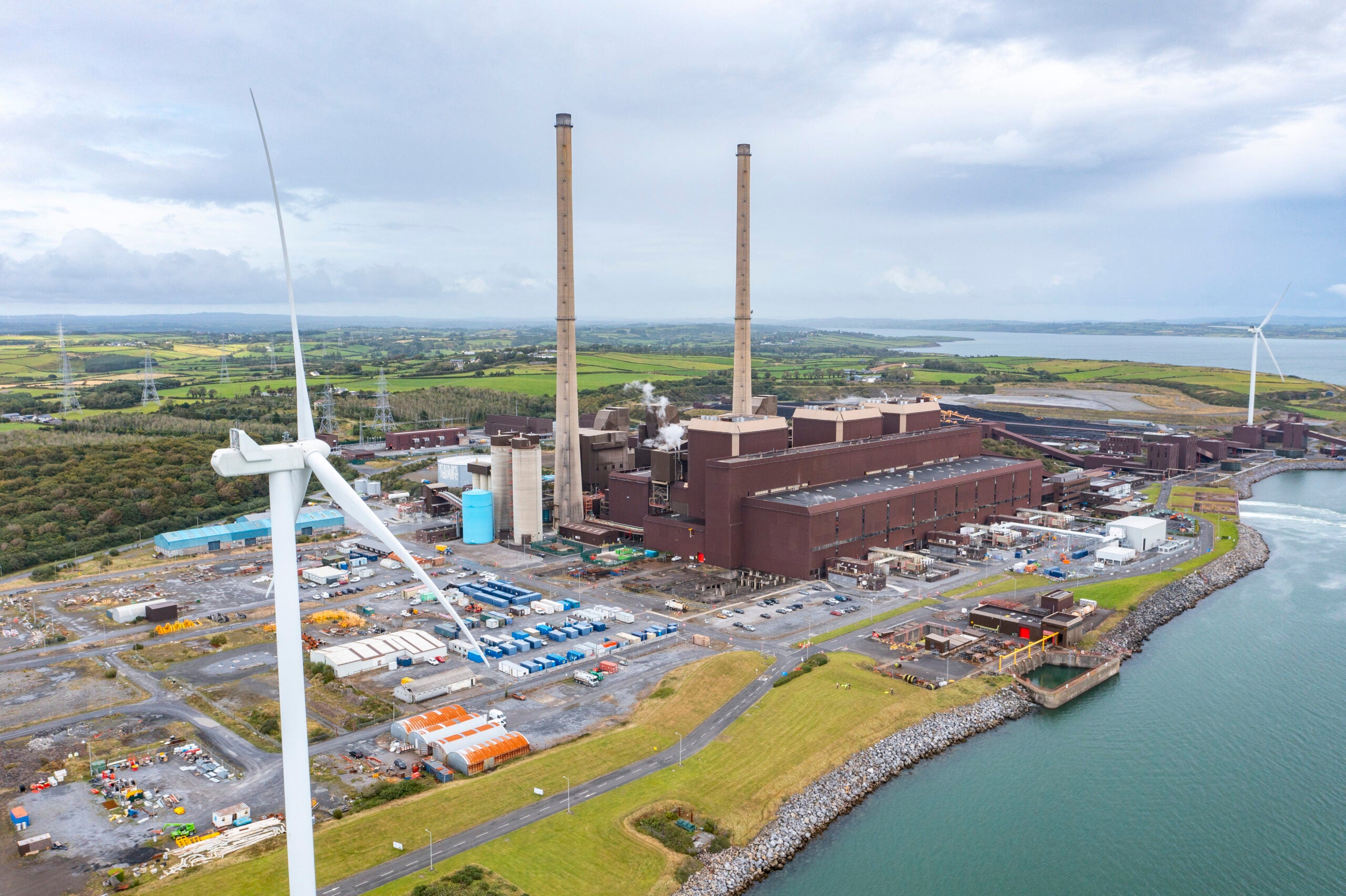
Ireland is no longer burning coal to produce electricity after the country’s last coal-fired unit was converted to use heavy fuel oil.
ESB, the plant’s operator, on June 20 issued a notice that the 305-MW Unit 3 of the Moneypoint station, located on Ireland’s southwest coast, has ended its use of coal after 40 years. ESB previously had said Moneypoint after the conversion would operate under direct dispatch instructions from EirGrid, the grid operator, as part of the balancing market.
Moneypoint, which opened in the 1980s, originally had three coal-fired power generating units, each with 305 MW of capacity for a total of 915 MW. The station at its peak of operation could supply about one-third of Ireland’s total power needs, although it has supplied far less in recent years. Ireland had mostly depended on burning imported oil for power generation prior to construction of Moneypoint.
EirGrid said the plant would only operate under emergency instruction until 2029, when it is scheduled for permanent closure as part of the country’s plan to end the use of fossil fuels for power generation. An Bord Pleanala, Ireland’s energy planning group, in October of last year approved ESB’s plan to exit coal.
At least 15 European countries have stopped burning coal for power generation, according to the Beyond Fossil Fuels group, which said another 10 have committed to exit coal by 2030.
Timmy Dooley, minister of Ireland’s Department of Climate, Energy and the Environment, in a statement said, “The early end of coal generation at Moneypoint represents a significant milestone for ESB and is another important step in Ireland’s energy transformation. It is the people of the Mid-West that have made this possible and I am delighted that the site will continue to play a critical role in securing Ireland’s electricity supply for a number of years to come, before transforming into a renewable energy hub to meet the future zero carbon needs of the country.”
“Today is a significant milestone for our electricity system, marking the end of coal generation at Moneypoint and in Ireland,” said Cathal Marley, CEO of EirGrid. “EirGrid has been tasked with delivering a renewable-led electricity transmission system, which will benefit our economy and society, requiring the delivery of an unprecedented level of upgrades and new infrastructure. As we transition, it’s important that we maintain a secure supply of electricity.”
Marley continued: ““While Moneypoint will no longer use coal, we entered an agreement with ESB, following direction from our regulator, CRU, to make Moneypoint units available on a temporary basis as out of market units up to March 31, 2029. The units will operate using oil as the primary fuel source and will support the overall adequacy position for Ireland, alongside the other measures in CRU’s Security of Supply Program.”
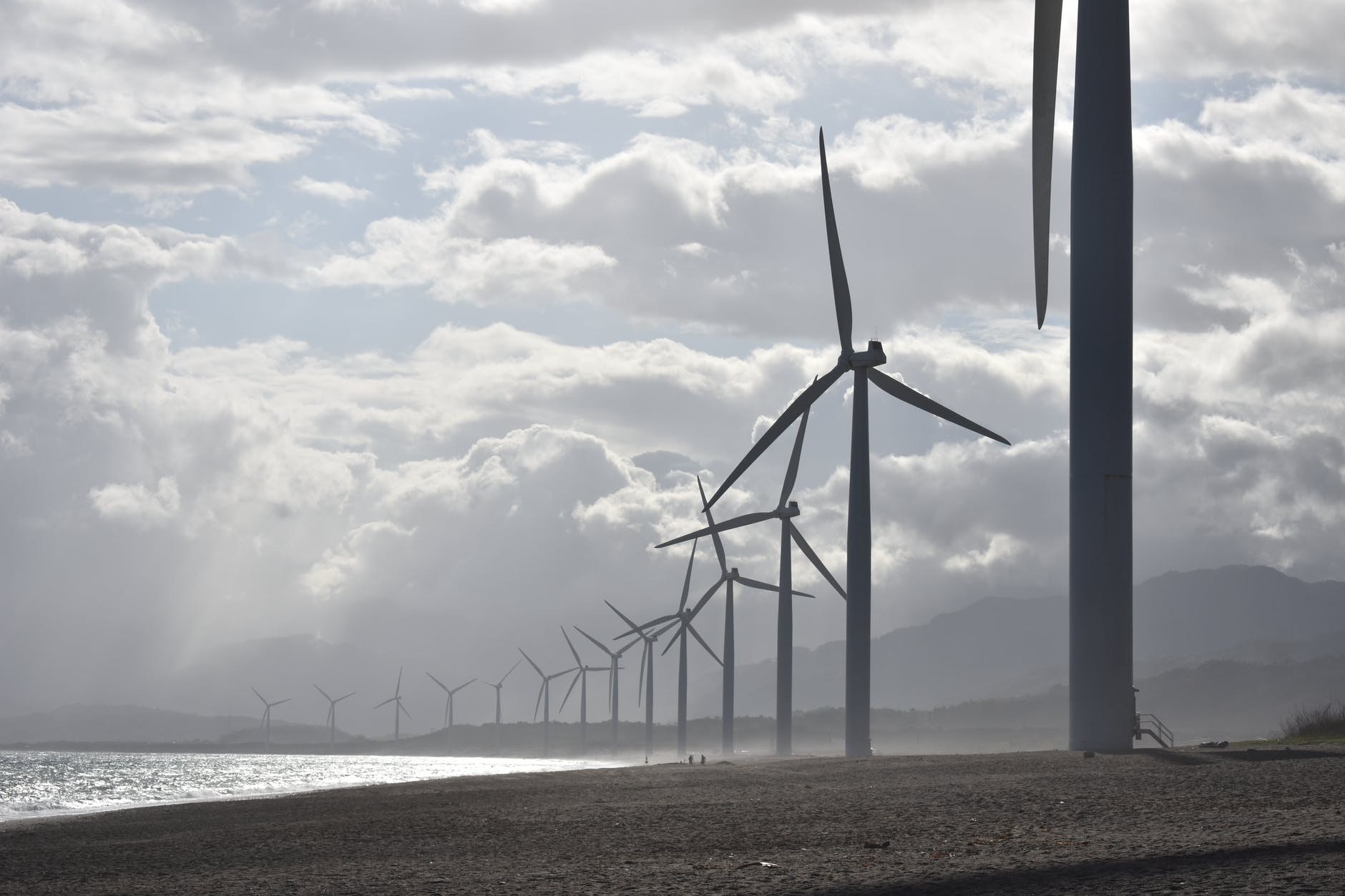
Government data shows that Ireland receives about one-third of its electricity from renewable energy resources, mostly wind power, including a 17-MW onshore wind farm built at Moneypoint in 2017. The country primarily relies on natural gas for power generation. Ireland also imports electricity from the UK via three 500-MW interconnections. More energy will be imported when the new 500-MW Celtic Interconnector from France starts up in 2026.
ESB in 2021 announced its Green Atlantic plan for the Moneypoint site. The multi-billion euro investment supports a strategy to transform Moneypoint into one of the country’s largest renewable energy hubs, utilizing the location’s deepwater port and existing power transmission and distribution infrastructure. The first phase of Green Atlantic was completed in 2022 with a €50 million ($57.6 million) investment in Ireland’s first synchronous compensator, a zero-carbon technology that allows the system to utilize ever-higher amounts of use of renewable energy.
—Darrell Proctor is a senior editor for POWER.