California’s politicians want you to believe they’re trying to rein in sky-high gas prices. They’re not. What’s really happening is years of restrictive policies and overregulation are finally catching up with the state’s fuel supply—and now lawmakers are scrambling to put a Band-Aid on a self-inflicted wound.
Let’s break it down.
The Real Price of “Green”
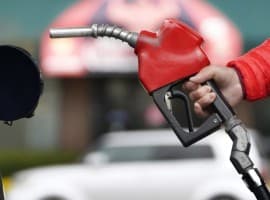
Starting July 1, Californians will get hit with a one-two punch: a hike in the state’s gasoline excise tax and new rules from the California Air Resources Board (CARB) that make it more expensive to produce gasoline. Together, these could raise pump prices by as much as 70 cents per gallon this summer according to some independent estimates—though California regulators say that the increase from the Low Carbon Fuel Standard rules could be as low as 5 to 8 cents per gallon. Some estimates project reaching $1.50 extra per gallon by 2035.
And California’s gasoline prices are already the highest in the nation—even surpassing Hawaii’s.
CARB’s updated Low Carbon Fuel Standard (LCFS) is designed to push fuel producers to make cleaner-burning gas by penalizing those who don’t. But those costs don’t stay with the refiners—they get passed to consumers. CARB admits it doesn’t analyze how its rules affect prices. Let that sink in: the agency making billion-dollar decisions about your fuel doesn’t ask what it will cost you at the pump.
Meanwhile, the gas excise tax—already among the highest in the country—is automatically adjusted each year for inflation. This year, it’s going up again, from 59.6 cents to 61.2 cents per gallon.
The Shrinking Refinery Problem
The other part of this gas-price mess is the shrinking number of refineries in California. Phillips 66 and Valero have both announced they’re shutting major facilities—together accounting for nearly 300,000 barrels per day of capacity. Fewer refineries mean fewer companies making California’s boutique-grade CARBOB gasoline—the kind that means the state’s strict environmental standards.
That tight supply drives prices up even further.
In a sudden about-face, a group of state Democrats has introduced a bill (SB 237) to relax the state’s rigid gasoline standards and streamline permitting to keep refineries from closing. They’re even offering a “one-stop shop” for environmental permits—if refiners promise to stay open and keep prices affordable.
It’s a stunning reversal from the years of hostility toward fossil fuel producers. Governor Gavin Newsom, who once slammed oil companies for “price gouging,” is now asking them to stick around to prevent prices from skyrocketing even more.
Chevron, which still operates two of the state’s largest refineries, called the bill “window dressing.” They argue it does nothing to roll back the deeper regulatory burdens, including drilling restrictions and profit caps.
What This Means for Californians
What’s coming is far more than a summer spike. This is structural. Between CARB’s climate crusade, automatic tax hikes, and a hostile permitting environment, California drivers are paying nearly $2 more per gallon in taxes and compliance costs than other Americans.
And it’s only going to get worse.
Worse still? The people making these rules aren’t even feeling the pinch. State legislators get gas paid for by taxpayers. Their cars are state-issued. They’re insulated from the very crisis they helped create.
Why the Rest of the Country Should Care
California isn’t just a test bed for climate policy—it’s a warning. The state’s Low Carbon Fuel Standard and gas tax model are being watched by other blue states. If California’s regulatory playbook becomes the national template, expect higher gas prices everywhere.
And California’s shrinking refinery footprint isn’t just their problem. Refinery closures in California can create regional supply shortages that bleed across the country, especially on the West Coast and in mountain states that depend on California fuel.
The Bottom Line
This isn’t about a “clean energy transition.” It’s about political theater. Regulators pushed policies that made fuel more expensive, more scarce, and more complicated to produce—and now, as the system buckles, they’re trying to look like heroes for partially walking it back.
But Californians don’t need window dressing. They need real reform. And the rest of the country needs to pay attention—because this experiment in top-down fuel policy might be coming to a gas station near you.
By Julianne Geiger for Oilprice.com
More Top Reads From Oilprice.com
- The Permian Basin is Fueling America’s Electric Future
- U.S. Sits on Billions of Untapped Oil Barrels
- UK Scraps $34 Billion Morocco-Linked Subsea Power Cable Megaproject