Since September 2023, there has been a significant shift in electricity trade between the United States and Canada. For nearly two decades, Canada has consistently exported more electricity to the United States than it imported. However, by the fall of 2023, the electricity trade between the two nations became more balanced. This change was partly due to reduced hydropower generation in Canada, which is the country’s primary source of electricity. Drought conditions in western Canada led to lower water levels in reservoirs, limiting hydropower production. At the same time, reduced natural gas prices in the U.S. made U.S. electricity more competitively priced, contributing to increased exports to Canada.
In 2023, monthly average from the U.S. to Canada surged by 70%, reaching 1,809 gigawatt-hours (GWh), while monthly average imports from Canada to the U.S. fell by 36%, totaling 3,315 GWh. Although the U.S. remained a net importer of Canadian power over the year, the amount of electricity imported dropped sharply from 42 terawatt-hours (TWh) in 2022 to just 15 TWh in 2023. By September 2023, the U.S. became a net electricity exporter to Canada, a trend that continued for several months, according to the U.S. Energy Information Administration (EIA).
Electricity trade between the U.S. and Canada remains relatively small in the context of their total electricity generation, representing less than 1% of their respective generation. However, this trade plays a crucial role in grid balancing, helping to match electricity supply with demand, especially during periods of low hydropower production in western Canada. It also provides valuable support during times of high electricity demand in both countries.
In 2023, Canada’s power exports to the U.S. were valued at $3.2 billion, a decrease of nearly 30% from the previous year. Meanwhile, electricity exports from the U.S. to Canada reached $1.2 billion, an increase of $454.5 million. Although the total value of Canada’s power exports dropped, the average prices for electricity from Canada to the U.S. were higher, as many of these exports were under long-term contracts. In contrast, U.S. exports to Canada had lower average prices, primarily due to sales under interruptible contracts that capitalized on favorable market conditions.
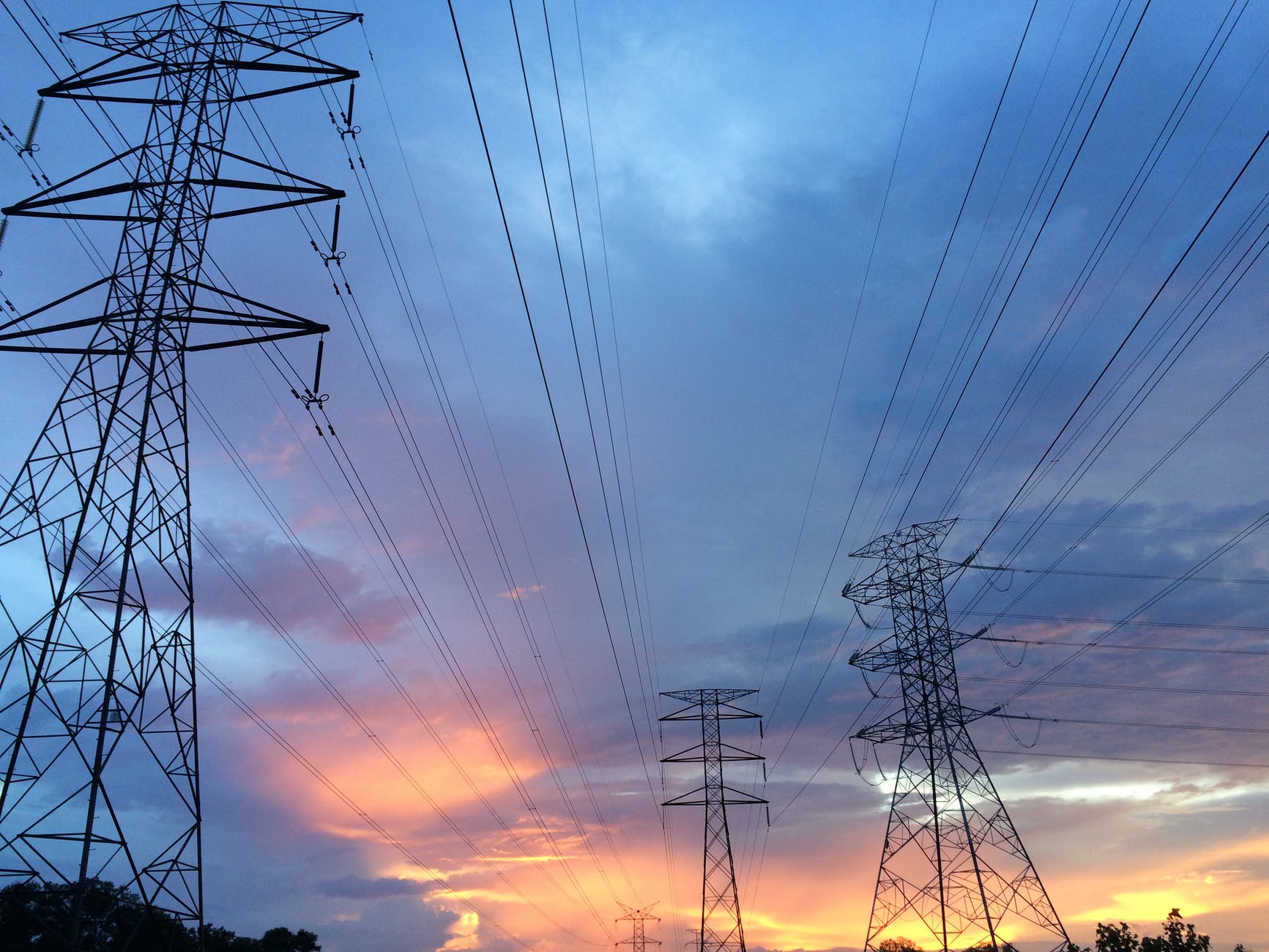
The power transmission lines connecting the U.S. and Canada form part of a highly interconnected power system, extending from New England to the Pacific Northwest. These connections are essential for maintaining system reliability and ensuring access to economical power sources. The primary electricity suppliers to the U.S. from Canada include provincial power corporations such as BC Hydro, Hydro Quebec, and Ontario’s Hydro One, all of which have trading subsidiaries managing cross-border electricity exchanges.
In the Western Interconnection, BC Hydro has been a key player in the electricity trade with the U.S. However, due to a record drought in 2023, the province imported more power from the U.S. to make up for its reduced hydropower generation. British Columbia’s power exports to the U.S. dropped by 45% in 2023, with exports to California alone falling by 75%.
In the Eastern Interconnection, power trade from Canadian entities like Manitoba Hydro, SaskPower, and Ontario Power to U.S. organizations decreased as well. For instance, Manitoba Hydro’s net exports to the U.S. dropped by 39%, and Ontario’s net exports fell by 13%. Meanwhile, Hydro-Quebec experienced a significant decline in its exports to both New York and New England, with daily deliveries into these regions decreasing by 72% and 22%, respectively, due to a drop in hydropower generation caused by persistent drought conditions.
Despite these challenges, cross-border electricity trade continues to be an essential tool for grid reliability, helping both countries meet their electricity needs during critical periods.