India is on a path of energy transformation, driven by digital tools and a push for self-reliance. The journey began with Aadhaar, the world’s largest biometric ID system, which helped target energy subsidies through direct benefit transfers. This digital infrastructure allowed schemes like Saubhagya to reach millions with electricity connections. Now, India is building on this foundation through the concept of an “Energy Stack,” inspired by the Digital Stack, combining Aadhaar, UPI, smart meters, and power sector reforms.
The National Smart Metering Programme has already installed over 8 million smart meters, with a goal of 250 million. These meters help reduce theft, improve billing, and allow real-time monitoring. Atmanirbhar Bharat has further boosted energy independence through the domestic manufacturing of solar modules, batteries, and EV components. PLI schemes and policies like SPECS are attracting investments, leading to new factories and job creation.
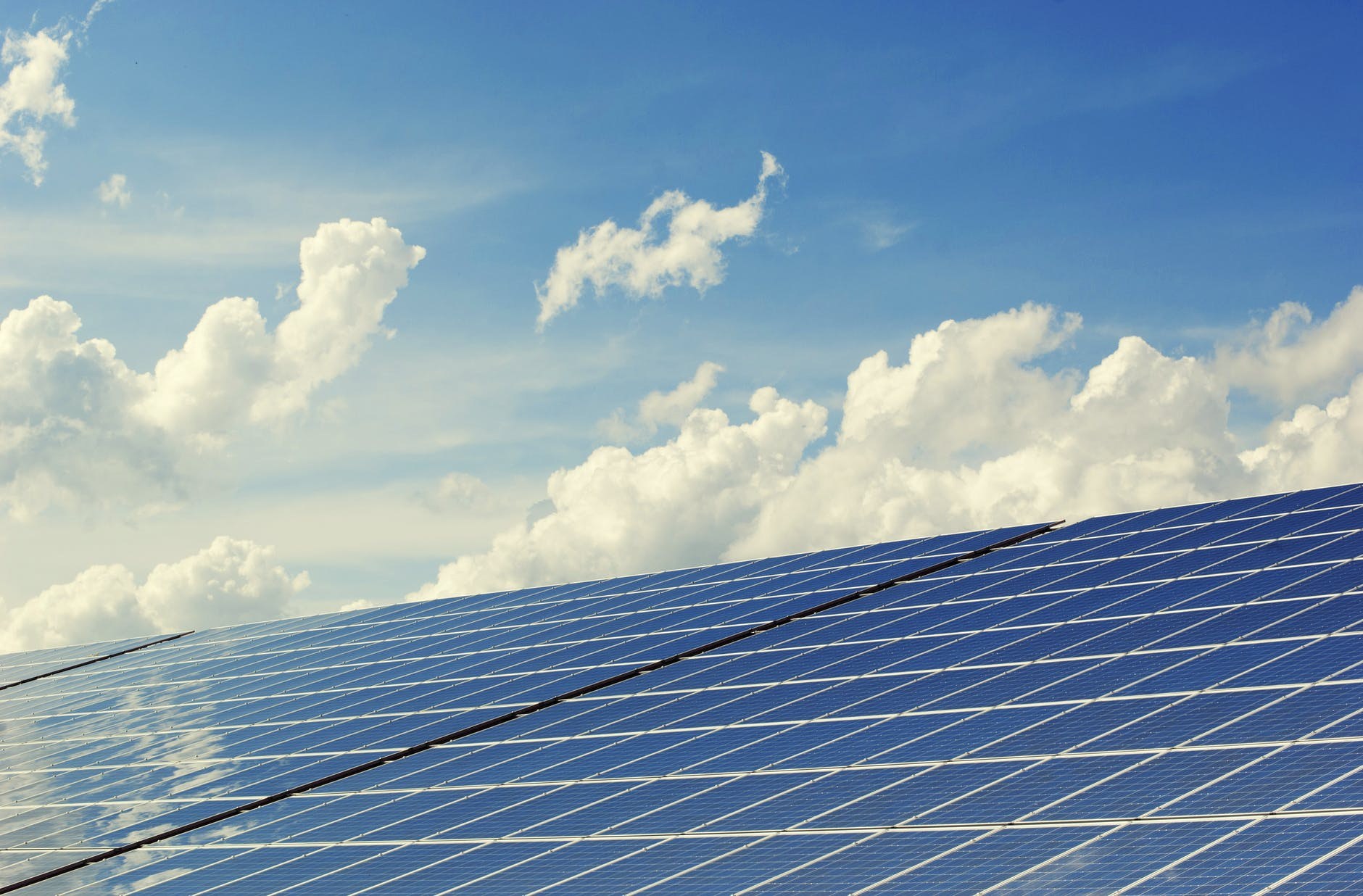
India’s renewable capacity is also growing, supported by solar parks, wind farms, hybrid projects, and new rules like Green Energy Open Access. The National Green Hydrogen Mission is another step toward cleaner energy. Startups are building energy apps, rooftop aggregators, and smart tools to manage demand and supply, enabled by platforms like the National Open Access Registry.
As India becomes the fourth-largest economy, it is setting global trends by decentralizing energy, promoting prosumers, and digitizing the entire power value chain. The Power Ministry’s move to scale India’s Energy Stack is expected to make the grid more efficient and consumer-friendly.
Laxit Awla, CEO of SAEL, stated India is under the global spotlight as the country is setting new trends in the energy sector on account of the growing RE base, adopting new power generation sources in the energy mix, and digitization of the electricity value chain. With the changing energy landscape in India and the growing number of electricity consumers becoming prosumers, it’s critical to deliver transparent, reliable, and future-ready power services. The step taken by the Power Ministry to evaluate the large-scale adoption of India Energy Stack was much needed to further transform the energy system of India. It will further ensure seamless integration of RE in the electric grid while making it more resilient and efficient, improve market access, empower consumers, and bring more innovative platforms to manage the rising power demand.
While D V Manjunatha, Founder and Managing Director, Emmvee, said Our country’s journey from Aadhaar to Atmanirbhar Bharat is far more than a policy shift; it reflects a fundamental shift in how we, as a nation, approach growth, inclusion, and self-reliance. This transformation is powerfully mirrored in the energy sector, where we are moving from dependence toward innovation, decentralisation, and technology-driven solutions. At Emmvee, we see this as a defining moment, not just for the industry, but for the whole country.
As an organisation, Emmvee’s foundations are firmly rooted in solar innovation and indigenous manufacturing. We are actively investing in backward integration, with multiple GWs of TOPCon cell capacity already operational and further expansion on the horizon. Through government initiatives like SPECS, we continue to enhance our production efficiency while reducing reliance on imports, strengthening India’s energy independence.
All of this is made possible because we believe India’s energy stack must be built on three essential pillars: smart integration, local capability, and long-term sustainability. True energy access means empowering every corner of the country with reliable, clean power designed specifically for India’s diverse conditions. The future of energy must not just be made in India; it must be built with intent and purpose for a country that is the fourth-largest economy in the world.
Energy efficiency isn’t just a buzzword—it’s the engine behind a cleaner, healthier, and more equitable India. From 800 million Indians gaining electricity to a projected 3.4 million green jobs by 2030, we’re at a turning point. But rising demand means we need smart energy choices, not just more power. Learn about the solutions in the carousel. The net-zero future isn’t in 2070. It begins with how we live today, stated by Amit Banka, Founder & CEO of WeNaturalists.
In conclusion, India’s energy journey from Aadhaar to Atmanirbhar Bharat is not just about infrastructure—it’s a shift in mindset. By focusing on smart integration, local capability, and sustainability, the country is redefining energy access and efficiency for the future.