- How has solar asset management in India’s C&I sector evolved in recent years, and where does it stand today?
India’s C&I rooftop solar sector has seen significant growth, with the sector accounting for a large portion of the country’s total rooftop solar installations. This growth is driven by the increasing demand for clean and cost-effective energy solutions among businesses.
Key Developments and Current State:
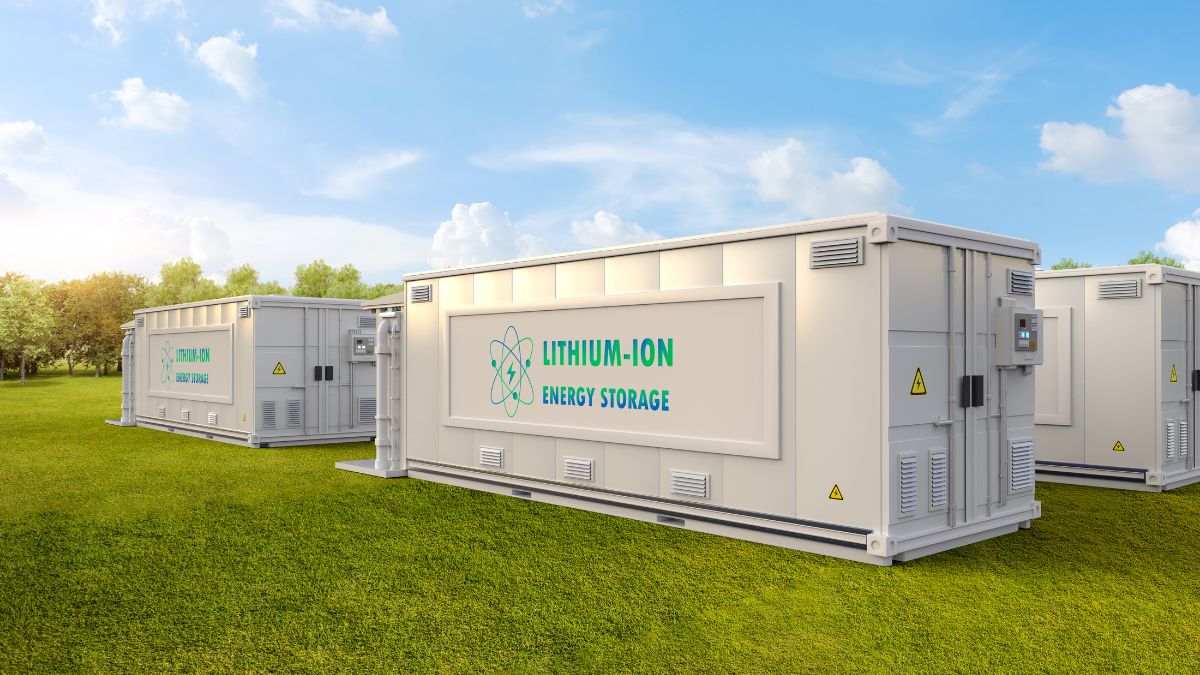
The C&I rooftop solar market in India has witnessed rapid growth in recent years, with significant capacity additions, especially between April 2021 and July 2023. C&I consumers account for a large share of rooftop solar installations in India, indicating the sector’s importance in the country’s renewable energy transition. The government and financial institutions are playing a crucial role in supporting C&I rooftop solar projects through credit lines and other incentives. Adoption of large-format modules, bifacial modules, and battery storage systems is gaining traction in the C&I segment to enhance energy generation and storage capabilities. While the C&I sector is a major driver of rooftop solar, it also faces challenges such as policy inconsistencies across states and financing hurdles. The Indian C&I rooftop solar market is expected to continue its growth trajectory, with potential for significant capacity additions in the coming years.
- What are the main challenges in managing C&I solar assets, and how does AMPIN Energy Transition address them through O&M strategies?
Managing Commercial & Industrial (C&I) solar assets presents challenges including module quality, labour shortages, financing hurdles, and rising costs. AMPIN Energy Transition addresses these by offering O&M strategies that leverage advanced technology and a hybrid O&M model, focusing on proactive monitoring, predictive maintenance, and efficient resource management.
Challenges in Managing C&I Solar Assets:
Ensuring the long-term performance and reliability of PV modules is crucial for maximizing energy production and asset lifespan. Finding and retaining qualified O&M personnel is a persistent challenge, particularly in a growing solar market. Access to funding for C&I solar projects can be difficult, especially in the face of evolving policies and regulations. Increasing costs of materials, labour, and equipment can impact project viability and profitability. Managing the increasing complexity of PV systems, including advanced technologies and data analytics, requires specialized expertise.
AMPIN Energy Transition’s O&M Strategies:
Combining in-house O&M teams with third-party service providers allows for flexibility and access to specialized expertise. Utilizing advanced monitoring systems, data analytics, and predictive maintenance techniques to optimize performance and minimize downtime. Implementing real-time monitoring systems to track performance, identify potential issues, and trigger alerts for timely intervention. Using data analytics and machine learning to predict potential equipment failures and schedule maintenance proactively, minimizing downtime and repair costs. Optimizing water usage for module cleaning, managing waste disposal, and procuring spare parts effectively to reduce costs and improve efficiency.
- How does AMPIN ensure the optimal performance and longevity of solar PV assets, and what role do predictive maintenance and real-time monitoring play?
AMPIN ensures optimal performance and longevity of solar PV assets through a combination of real-time monitoring, predictive maintenance, and advanced technologies. Real-time monitoring allows for continuous tracking of performance metrics, while predictive maintenance uses data analysis and AI to anticipate potential failures and schedule proactive interventions. This approach reduces downtime, increases uptime, and improves overall system efficiency and profitability.
AMPIN uses real-time data integration to continuously monitor key performance indicators (KPIs) of solar PV systems. This data allows for immediate identification of performance deviations and trends, enabling proactive adjustments to optimize energy yield. AMPIN incorporates advanced technologies like drone-based thermal imaging and AI-driven soiling detection. These technologies enable more efficient and accurate assessment of system health and performance. By shifting from reactive to predictive maintenance, AMPIN significantly reduces failure rates, increases uptime, and improves the profitability of its renewable energy projects. This proactive approach also minimizes the need for emergency repairs and associated costs, leading to a more efficient and cost-effective operation.
Here’s a more detailed look:
1. Predictive Maintenance:
- AI and ML algorithms analyse data from solar installations (e.g., temperature, solar radiation, humidity, panel performance) to identify potential issues before they escalate into costly failures. This allows for proactive maintenance, minimizing downtime and reducing maintenance costs. Example: AI can detect anomalies in solar panel outputs or equipment, triggering maintenance actions.
2. Smart Energy Management:
- AI optimizes energy production and consumption, ensuring efficient energy distribution and reducing waste. It can manage energy storage systems intelligently, optimizing charging and discharging for maximum efficiency and lifespan. AI also helps shift energy-intensive activities to periods of peak solar generation.
3. Improved Forecasting:
- AI can analyse vast amounts of data (e.g., satellite imagery, historical weather patterns, temperature changes) to provide more accurate solar power generation forecasts. This improves energy trading, grid management, and solar farm operations. AI-driven forecasting can reduce prediction errors by up to 30%.
- What trends will shape the future of solar asset management in India, and how is AMPIN positioning itself for these changes?
The future of solar asset management in India will be shaped by technological advancements, rising demand for clean energy, and supportive government policies. AMPIN is positioning itself for these changes by focusing on the C&I solar segment, adopting innovative pricing and revenue models, and leveraging its existing infrastructure and expertise.
Key Trends Shaping the Future of Solar Asset Management in India:
Innovations in solar panel technology, storage solutions, and smart grid technologies will continue to drive down costs, improve efficiency, and enhance reliability. Increasing demand for clean energy, driven by environmental concerns and government targets, will fuel the growth of the solar sector. Government initiatives, such as the National Solar Mission and state-specific policies, are creating a favourable environment for solar investment and development. Efforts to recycle end-of-life solar panels and minimize environmental impact are gaining momentum.
How AMPIN is Positioned for these Changes:
AMPIN is capitalizing on the increasing demand for solar energy solutions in the commercial and industrial (C&I) sector, where companies seek to reduce electricity costs and hedge against volatile grid prices. AMPIN has adopted a cluster-based approach to renewable energy development, concentrating solar, wind, and storage assets in geographic hubs. AMPIN’s existing infrastructure and expertise in solar asset management, including operations and maintenance, allow it to efficiently manage and optimize solar projects. AMPIN is likely to form partnerships and collaborate with other companies to leverage technological advancements and expand its reach.