The adoption of solar energy has surged in recent years, driven by growing environmental concerns and the pursuit of long-term cost savings. For homeowners, commercial establishments, and small industries alike, solar power presents a compelling proposition: clean energy, lower electricity bills, and increased independence from utility providers. However, many current installations fall short of realizing the full potential of solar energy. This is largely due to the absence of storage solutions. Systems that rely solely on a grid connection may appear efficient, but without energy storage, they remain incomplete.
Grid-tied solar systems are currently the most common form of installation. These systems operate in tandem with the local utility grid. During daylight hours, solar panels generate electricity for immediate use, and any surplus energy is fed back into the grid, often resulting in credits through net metering arrangements. At night or during periods of low sunlight, electricity is drawn from the grid to meet demand.
While this model introduces users to renewable energy in a relatively straightforward manner, it also carries significant limitations. Firstly, these systems do not provide any backup during power outages. If the grid goes down, even during periods of peak solar production, the system shuts off automatically to avoid back-feeding electricity into the grid, which poses safety risks to utility personnel. As a result, the user remains dependent on grid stability and is vulnerable during disruptions.
Secondly, the financial return from grid-tied systems is increasingly uncertain. Many regions are revising their net metering policies, often to the detriment of solar energy users. Credit rates for excess power are being reduced or eliminated altogether, which impacts the long-term financial viability of systems that rely heavily on exporting energy to the grid.
Lastly, such systems do not allow for time-of-use optimization. Users cannot control when to store or consume the energy generated. This results in a disconnect between production patterns and actual energy consumption, a challenge that only storage-equipped systems can address effectively.
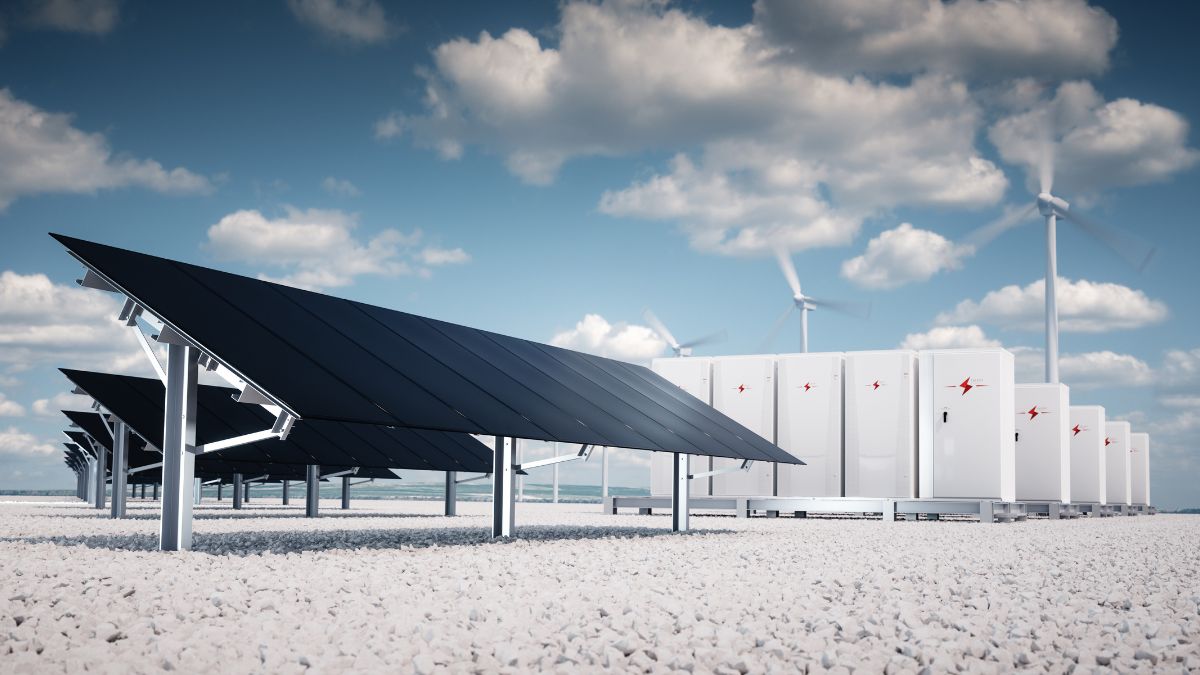
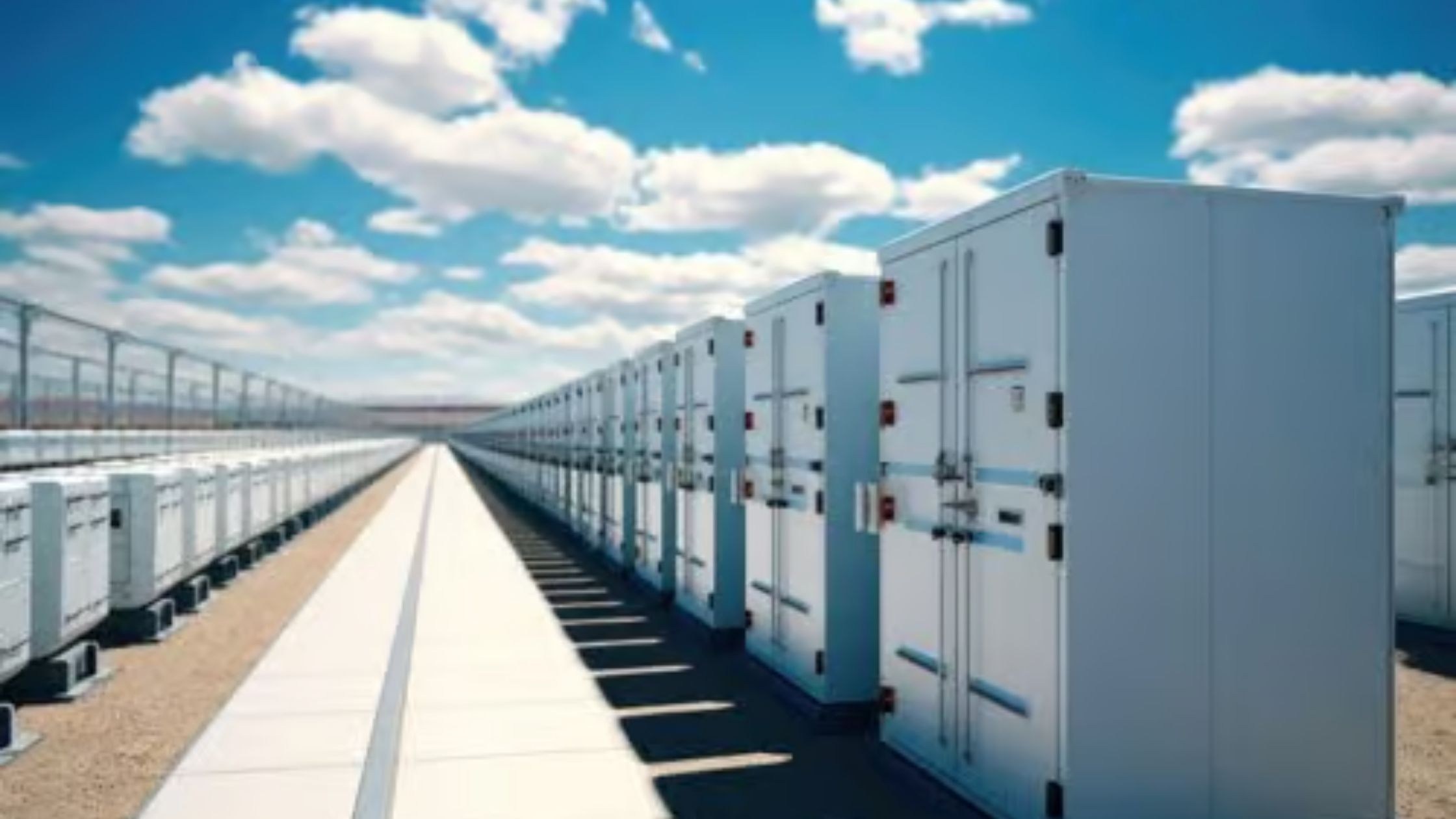
Hybrid solar systems integrate photovoltaic panels with battery storage, allowing surplus electricity to be stored for later use. This configuration provides significantly more operational flexibility, economic efficiency, and reliability compared to traditional grid-tied setups.
Global adoption of solar energy has accelerated rapidly, with installation rates climbing by over 30% annually in many regions. Yet, despite this impressive growth, a significant number of systems remain incomplete, missing the vital element of energy storage that unlocks their full potential.
From a financial perspective, battery storage enables users to participate in load shifting. Energy can be stored during periods of low utility rates or high solar production and used during peak pricing hours. This not only reduces dependency on expensive grid power but also creates a more predictable energy expenditure model over time.
Hybrid systems also insulate users from regulatory changes. If net metering incentives are reduced or removed, the stored energy can be used directly rather than being sold at unfavorable rates. This autonomy ensures that users maintain control over their energy use and financial returns, regardless of external policy shifts.
Moreover, hybrid systems provide critical backup power during outages. In areas where grid instability or frequent blackouts are common, having a reliable source of stored energy can ensure continuity for essential systems such as refrigeration, lighting, and medical devices. For commercial establishments, this can mean uninterrupted operations and reduced financial losses during downtime.
Another benefit of modern hybrid systems is their modular design. Users can begin with a smaller battery setup and expand capacity over time based on usage patterns and available budget. This scalability makes hybrid systems accessible and adaptable, catering to both small-scale and larger energy needs.
The energy sector is undergoing rapid transformation. Utilities are increasingly introducing dynamic pricing models such as time-of-use tariffs, where electricity is significantly more expensive during peak hours. In this context, the ability to store and deploy self-generated solar power at strategic times becomes a powerful advantage.
Storage also addresses the inherent intermittency of solar power. Solar energy generation is influenced by factors such as weather, time of day, and seasonal changes. Without storage, excess energy produced during peak sunlight hours may be wasted or sold at low rates. Battery systems allow this energy to be retained and used later, aligning supply with actual consumption.
As EVs become more widespread, the need for smart charging solutions is also increasing. Charging EVs during peak hours can be costly if relying solely on grid power. However, a hybrid system enables EV owners to charge their vehicles using stored solar energy, including during evening hours, thereby reducing costs and enhancing sustainability.
In broader terms, storage provides a measure of energy independence and security. For both residential and commercial users, the ability to function independently of the grid during critical periods is not only convenient but also increasingly necessary in a world where extreme weather events and infrastructure failures are becoming more frequent.
A common concern among potential users is the perceived high cost of battery storage. While it is true that hybrid systems entail a higher initial investment, this perspective often overlooks the long-term value they offer.
Battery prices have been decreasing consistently due to technological advancements and economies of scale. Additionally, government incentives, rebates, and tax credits in many regions significantly offset upfront costs, making the investment more accessible.
In terms of ongoing savings, hybrid systems help avoid peak demand charges and mitigate exposure to rising utility rates. Businesses, in particular, benefit from reduced operational disruptions, improved energy management, and enhanced cost predictability.
Furthermore, properties equipped with solar and storage systems are increasingly attractive to prospective buyers. Energy-efficient homes and commercial spaces often command higher resale values and shorter time on the market. In a real estate landscape where environmental sustainability and operational resilience are gaining importance, hybrid energy systems are a valuable asset.
Above all, the investment in hybrid solar systems is a proactive approach. It is not merely about addressing today’s energy costs but about securing long-term financial, environmental, and operational benefits. The ability to generate, store, and use one’s own power on demand adds a layer of control that grid-tied systems simply cannot match.
Adopting solar energy is a commendable step toward environmental stewardship and cost efficiency. However, relying solely on grid-tied systems without incorporating storage significantly limits the impact and resilience of the investment. Such systems leave users vulnerable to grid outages, shifting regulations, and time-based utility charges.
Hybrid solar systems offer a comprehensive solution that combines energy generation with storage, providing enhanced reliability, greater cost savings, and long-term energy independence. As the energy landscape continues to evolve, the integration of storage is not just an upgrade; it is a strategic necessity. Choosing solar without storage is akin to embracing only part of the solution. To truly maximize the benefits of solar power, energy storage must be seen not as an add-on but as an essential component of a complete, future-ready energy strategy.