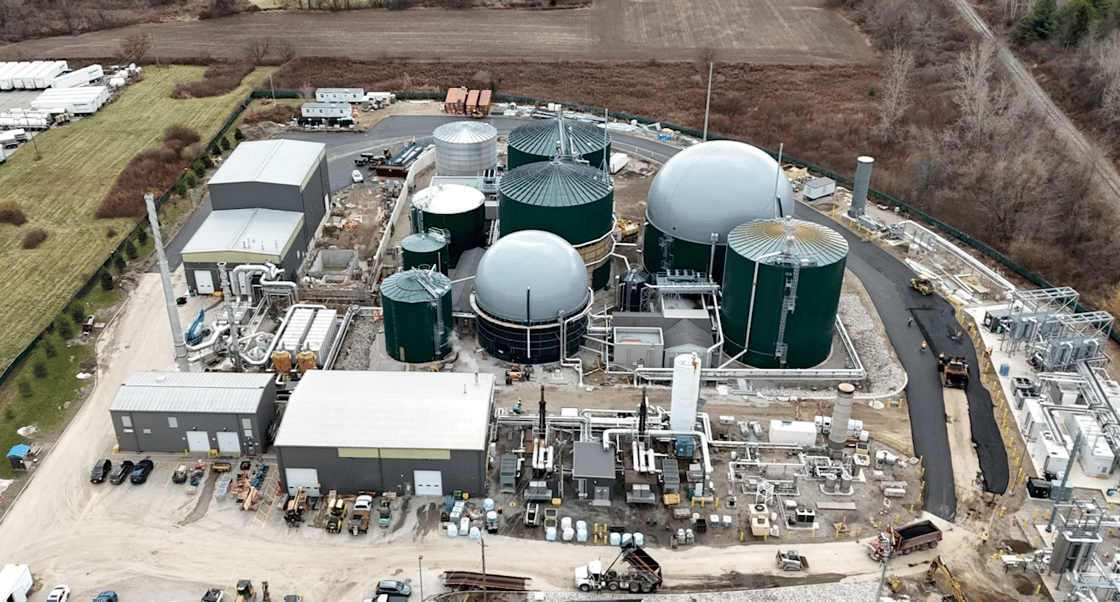
The chief executive of gas major EQT has called on legislators to reduce the length of the approval process for new natural gas infrastructure in order to boost the competitiveness of U.S. energy.
In an interview with the Financial Times, Toby Rice said that “The threat of not getting infrastructure built has only gotten larger — not only from bad actors getting rich by selling energy that could be replaced with American energy — it’s also the threat of China winning the AI race.”
AI has become a focus of attention for energy companies as it prompts a radical revision of energy demand projections. In the U.S., demand for electricity from artificial intelligence data centers is set to drive the first surge in overall electricity demand in years. This is already creating problems for consumers, as power utilities apply for price hikes due to tight supply.
“What we’re… seeing is a deer-in-headlights dynamic,” Charles Hua, executive director of energy affordability advocacy PowerLines said earlier this month, as quoted by the FT. “A lot of states don’t have a playbook for how they can meet rising [data centre] demand while balancing affordability and utility bills.”
EQT’s Rice has, for obvious reasons, been among the most vocal advocates of greater natural gas production and exports. One especially acute problem for Rice and other gas executives appears to be the judicial review option that gives opponents to an energy project the chance to legally challenge a decision that permits the project to go ahead for up to six years after that permission was granted.
Rice also had something to say about wind and solar subsidies, and their impact on costs for other energy projects. “When we spent the last 10 years ripping out coal, shutting down nuclear and making it more challenging to get natural gas infrastructure built, nobody should be questioning why prices are up and grid reliability is a major concern,” he told the FT.
By Irina Slav for Oilprice.com
More Top Reads From Oilprice.com:
- Houthi Attacks Trigger Unpaid-Debt Shutdown of Israel’s Eilat Port
- EU Lowers Russian Oil Cap to $47.60
- NEOM’s Future Hangs in Balance as Riyadh Tightens Fiscal Belt