A new briefing note from the Institute of Energy Economics and Financial Analysis (IEEFA) highlights that despite the fast-paced growth of solar power in India, coal continues to play a dominant role in meeting the country’s electricity needs—especially during evening peak hours. According to the report, coal accounts for nearly 73% of India’s total daily electricity generation, equivalent to 157.6 GW.
As of the fiscal year 2024, electricity sales in India were distributed across four main sectors: industrial (32%), residential (31%), agricultural (22%), and commercial (10%). The study notes that while solar power is abundant during the day, aligning its availability with peak demand could increase its utilisation, reduce dependence on coal during daytime hours, and help lower carbon emissions.
Charith Konda, contributing author and Energy Specialist at IEEFA, South Asia, stated, “While still modest in scale, electric vehicles (EVs) are beginning to contribute to electricity demand. Electricity consumption by EVs has grown nearly tenfold – from 59 million units (MUs) in FY2021 to 569MUs in FY2024.”
Saloni Sachdeva Michael, co-author and Energy Specialist at IEEFA, South Asia, said, “The persistent evening peaks, which now nearly match daytime highs, reinforce the urgency of deploying storage solutions, demand measures and hybrid renewable projects to meet post-sunset demand. The sharp rise in demand after sunset strains the grid and drives up market prices.”
Vibhuti Garg, contributing author and Director, IEEFA, South Asia, remarked, “Incentivising load shifting from evening to day, especially among industrial and commercial consumers, can help align demand with abundant solar generation. To support this, Time of Day tariffs should be made more effective by significantly widening the price differential between peak and off-peak periods.”
The report also encourages the promotion of energy-efficient appliances such as air conditioners, lighting, and industrial motors to reduce electricity consumption. To make such appliances more accessible, the authors suggest that zero-interest financing options could help ease upfront costs for households and small businesses. Additionally, they recommend lowering the Goods and Services Tax (GST) on 5-star rated appliances to further drive adoption.
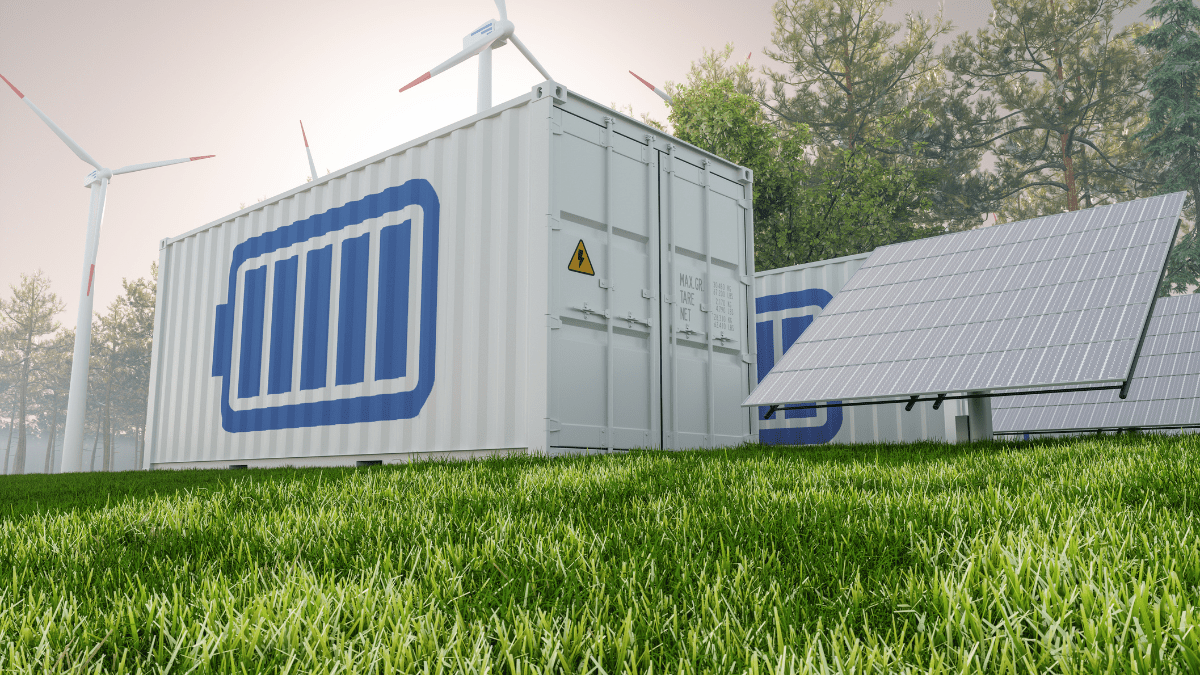
IEEFA advocates for the development of hybrid renewable energy projects that combine solar (daytime), wind (evening and night), and hydro (on-demand) resources. These diversified energy systems can be paired with battery storage solutions to store excess energy and release it during peak hours, especially in the evening when demand is highest.
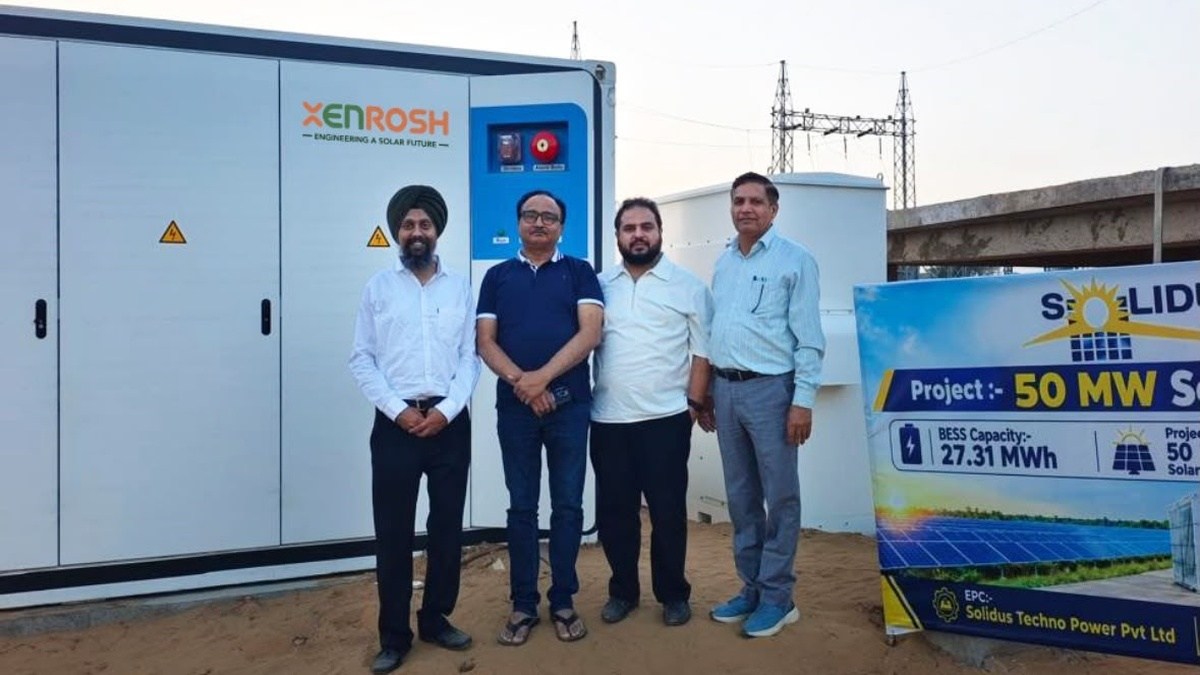
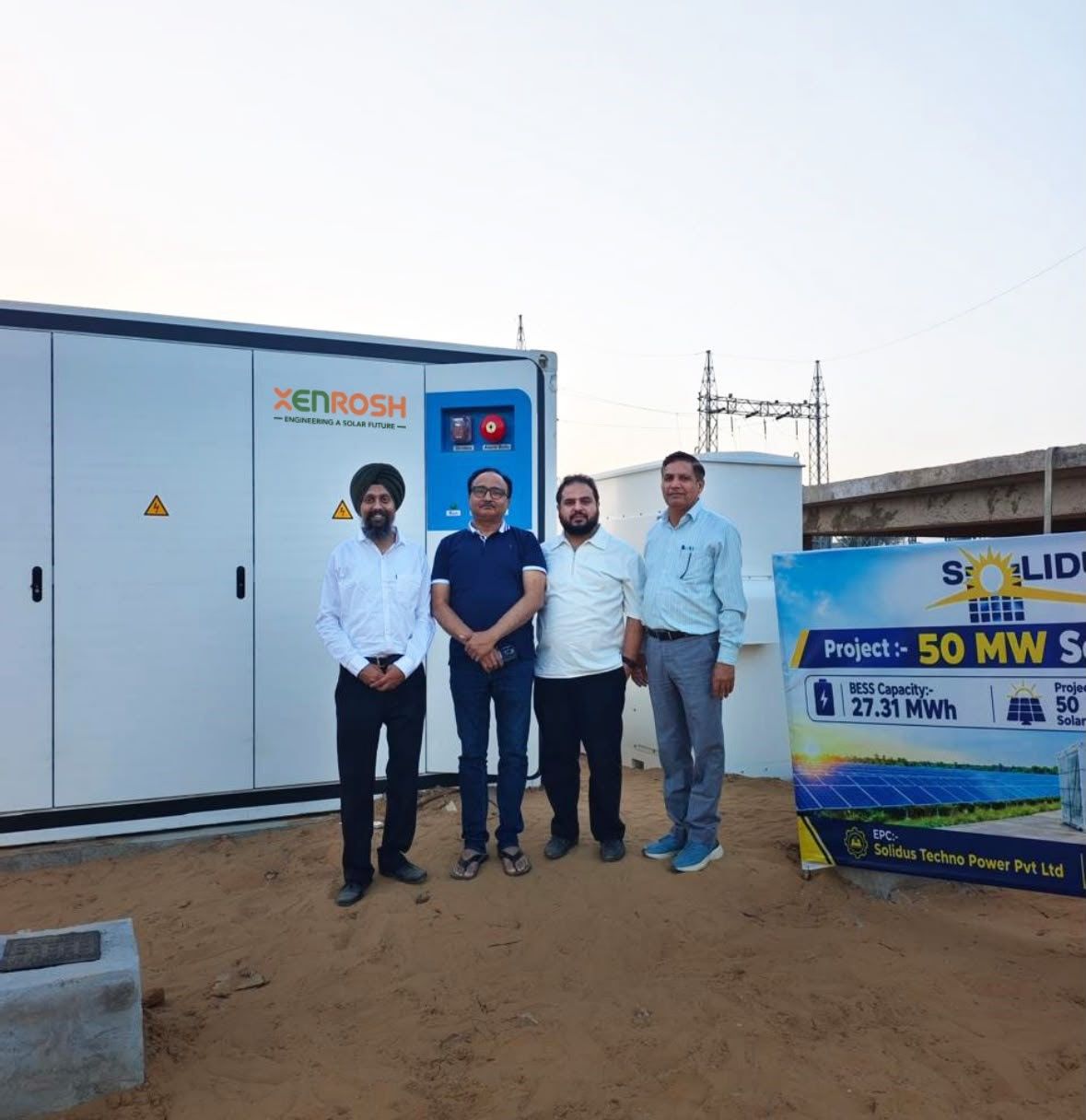
Kaira Rakheja, Co-author, Energy Analyst, IEEFA, South Asia, mentioned, “Accelerating the use of battery energy storage systems can ensure grid stability and reduce the need for fast-ramping coal. Battery storage also enables energy arbitrage by charging during near-zero-cost solar hours and discharging during high-demand hours, making it a critical tool for meeting peak demand efficiently. To reduce the cost of energy storage, the government must fast-track PLI disbursals and rationalise import duties until domestic manufacturing scales up.”
“Prioritising the adoption of advanced digital tools to improve demand forecasting, grid planning, and operational efficiency is also essential,” notes Garg.
“Ultimately, addressing India’s rising electricity demand will require a strategic overhaul of how we generate, store, and consume electricity. By prioritising storage deployment along with hybrid projects, and leveraging demand flexibility and digital tools, India can not only meet its rising electricity demand peaks but also build a power system that is cleaner, more cost-effective, and climate resilient,” Sachdeva emphasises.
However, the report points out that the rollout of such hybrid and storage-integrated projects is currently limited. Key barriers include difficulties in land acquisition, insufficiently coordinated transmission planning, and the high cost of storage components. To overcome these challenges, the briefing suggests several government interventions: streamlining land aggregation and grid access for hybrid clusters, revising power purchase agreements to better reflect the value of reliable and dispatchable power, and offering clear guidance on compensation mechanisms for storage-based services.
Subscribe to get the latest posts sent to your email.