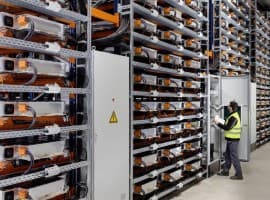
General Motors is turning to Chinese battery giant CATL for help powering its next-generation Chevrolet Bolt, according to The Wall Street Journal. The move—described by insiders as a temporary fix—will keep the new Bolt on schedule while GM races to spin up its own U.S.-based battery production with LG Energy Solution.
Despite steep tariffs on Chinese imports imposed by the Trump administration, GM will source lithium iron phosphate (LFP) batteries from CATL for roughly two years, starting with the Bolt’s relaunch out of its Fairfax, Kansas plant in late 2025. LFP batteries, cheaper and less prone to fire than traditional nickel-based chemistries, are key to GM’s strategy of delivering a sub-$30,000 EV without bleeding cash.
But the optics are complicated. GM has spent billions promoting its Ultium battery platform and domestic supply chain plans. Importing batteries from China, even temporarily, raises eyebrows as the U.S. attempts to disentangle itself from Chinese control over critical minerals—especially those like lithium, graphite, and rare earths that are central to EV production.
Ford, meanwhile, is also leveraging CATL tech to bring down battery costs, highlighting the impossible bind American automakers find themselves in: tariffs on one side, a Chinese cost advantage on the other, and a still-nascent domestic minerals pipeline in between.
The CATL deal underscores the persistent vulnerability of Western automakers to China’s dominance in battery materials and technology. While GM insists its long-term battery plans are red-white-and-blue, this short-term import fix speaks volumes about just how long the domestic energy transition runway really is.
For now, GM’s most affordable EV will carry a Chinese powertrain under the hood—whether Washington likes it or not.
By Julianne Geiger for Oilprice.com
More Top Reads From Oilprice.com
- Germany to Scrap Gas Levy for Lower Energy Bills
- China’s Oil Imports Jumped in July From a Year Earlier
- Trump’s Escalating Tariff War With India Threatens Russia’s Oil Economy