Kuwait is facing growing challenges from extreme heat, aging power infrastructure, and frequent unplanned outages, prompting major investments to improve the country’s electricity grid. At present, renewable energy makes up less than 1% of Kuwait’s electricity generation. The government has set a target to increase that share to 15% by 2030, with natural gas serving as a key transitional fuel.
However, analysis by Rystad Energy suggests this goal may not be achievable within the planned timeline. Their projections indicate that Kuwait’s renewable capacity is likely to reach only 3.3 gigawatts (GW) by 2030, representing about 7% of power generation. A more realistic milestone would be 15% by 2035, when renewable capacity is expected to exceed 11 GW and account for around 20% of Kuwait’s electricity mix.
Kuwait currently has 21 GW of installed power capacity, but only about 17 GW is reliably available during the hottest months. Aging plants and planned maintenance reduce capacity at the time when it is most needed. With summer temperatures reaching as high as 50 degrees Celsius in recent years, demand for electricity peaked at 17.7 GW in July. The strain on the grid forced scheduled power cuts to begin two months earlier than the previous year, while unexpected outages added further pressure, resulting in shortages of more than 1.5 GW during peak demand in May.
Natural gas is expected to play a central role in Kuwait’s energy transition. Rystad Energy forecasts that gas-fired power generation will grow by 17%, reaching 77 terawatt-hours (TWh) by 2030. To support this growth, gas production is projected to rise by 38%, while overall gas demand is expected to increase by 30% over the next five years. The increased demand will be met through a combination of expanded domestic production and liquefied natural gas (LNG) imports.
To secure supply, Kuwait Petroleum Corporation (KPC) has signed a 15-year LNG sale and purchase agreement with QatarEnergy, providing up to 3 million tonnes per year of LNG. Additionally, Kuwait plans to build five new large-scale gas-fired power plants, adding 18 GW of capacity. This will raise the country’s total gas power capacity from the current 14 GW to more than 32 GW by 2035.
Nishant Kumar, Analyst, Renewables & Power Research, Rystad Energy, stated, “Blackouts in Kuwait have underscored the strain on the country’s power system, making imports unavoidable if such outages persist. As Kuwait modernizes and turns to renewables to address these challenges, high-profile events like the 2025 Iberian outage have raised questions about the reliability of renewable energy.
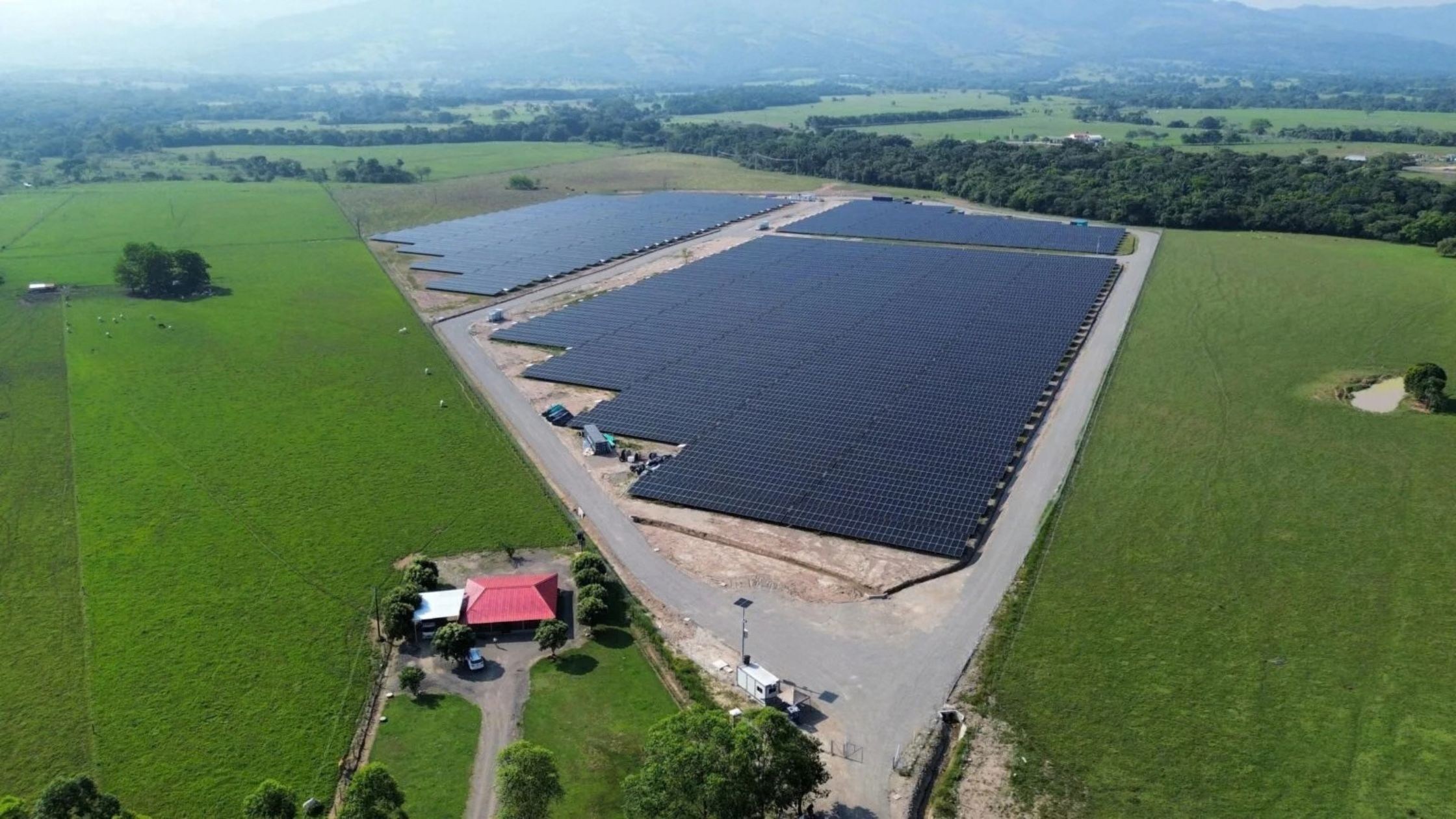
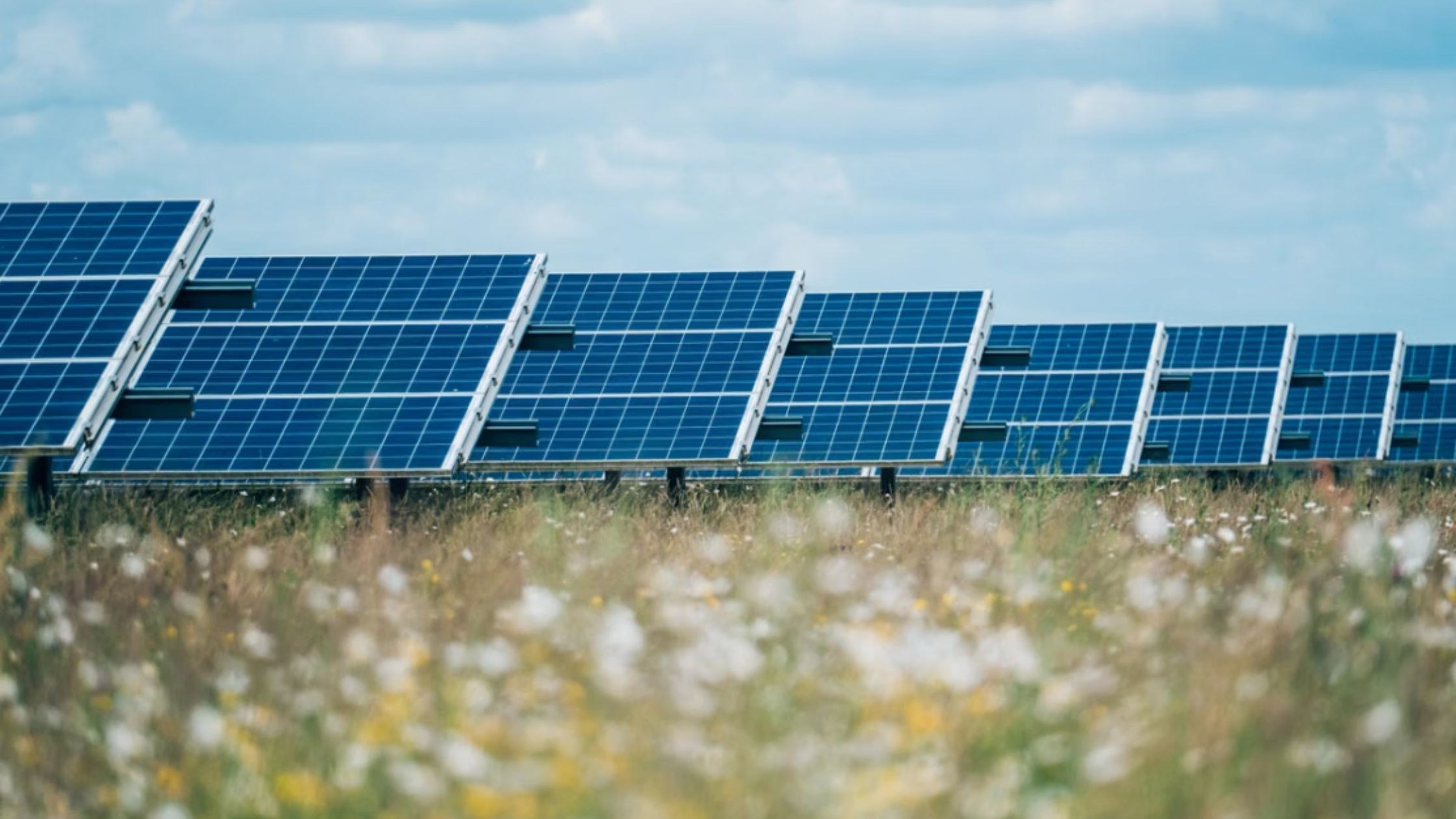
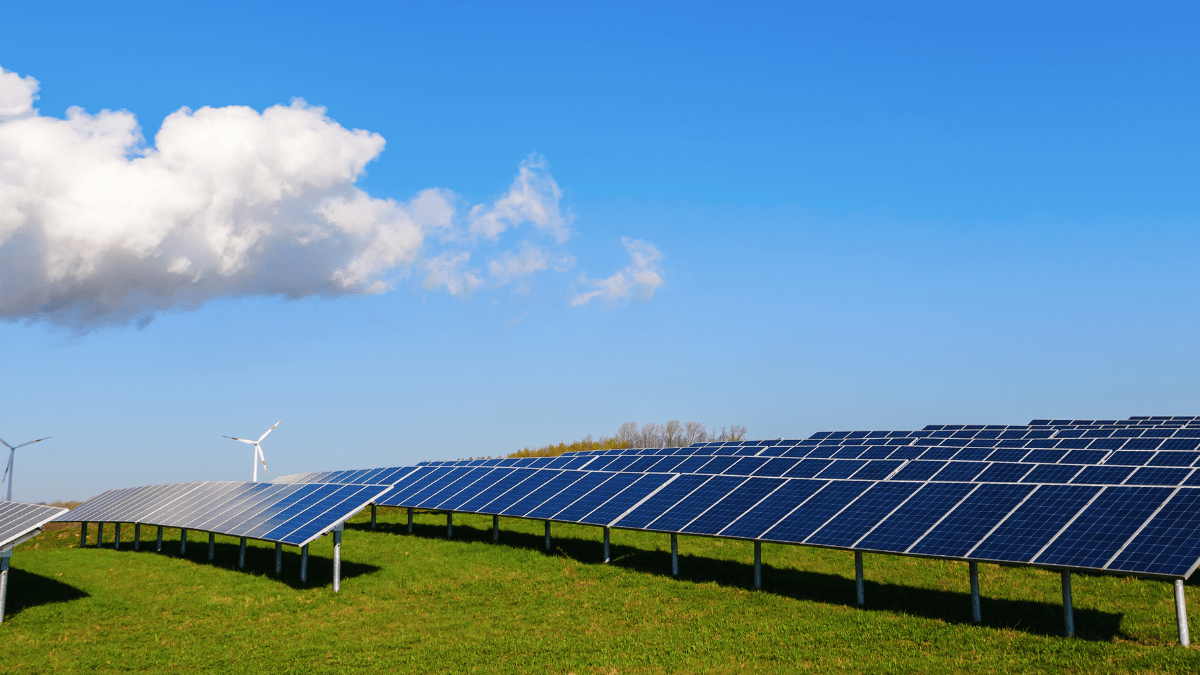
Still, it would be myopic to dismiss the capabilities of renewables outright. Kuwait has plans to invest heavily in solar PV, for instance, benefiting from a natural advantage of more than 3,300 hours of sunlight each year. This abundant sunlight supports PV output of 4.6 to 4.9 kilowatt-hours (kWh) per kilowatt-peak per day, helping to meet peak afternoon demand when electricity use is highest.”
A major objective of this strategy is to reduce Kuwait’s reliance on oil for power generation, which currently accounts for 40% of its energy use. By replacing oil with gas in the electricity mix, Kuwait can free up more crude oil for export, which remains the cornerstone of its economy and government revenues. Shifting toward gas will help secure export earnings, stabilize public finances, and meet growing domestic energy needs.
Kuwait’s annual gas demand is currently between 24 and 25 billion cubic meters (Bcm), with the power sector being the largest consumer. Approximately 40% of this demand is currently met through LNG imports, while about 35% comes from associated gas production. This dependence on associated gas ties supply to OPEC+ crude production levels, making it vulnerable to output cuts.
To reduce this risk, Kuwait has invested in non-associated gas development, including both onshore and offshore exploration. Significant progress has been made, with non-associated gas now providing nearly 600 million cubic feet per day—about 25% of total demand. All of this supply currently comes from the onshore Jurassic project located in northern Kuwait, which has become a critical part of the country’s energy strategy.
Subscribe to get the latest posts sent to your email.