Alkali Metal Processing Limited – a joint venture between Cavendish Nuclear and Amentum – will construct, commission, and secure regulatory permissions for a new facility in the UK which will treat the sodium coolant removed from the Japanese reactor. The material, which presents no radiological hazards, will be safely converted into sodium hydroxide for general industrial reuse.
This award builds on a previous contract, awarded by the Japan Atomic Energy Agency (JAEA) in May 2023, which focused on the design and engineering phase of the UK-based project.
Cavendish Nuclear, a wholly-owned subsidiary of Babcock International Group, said the joint venture will now move forward with construction, installation of process equipment and preparations for operation, working closely with locally based supply chain partners.
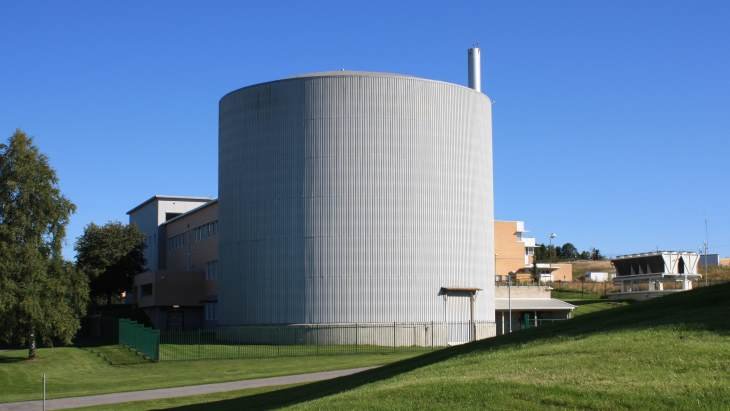
“The approach draws on both companies’ experience gained from the decommissioning of the UK’s Dounreay Prototype Fast Reactor, which shares design similarities with the Monju reactor,” the company noted.
“It is my great pleasure to have successfully concluded the contract for the next phase of this important project,” said JAEA President Masanori Koguchi. “I sincerely hope that, through the implementation of this project, the collaborative partnership between JAEA and Cavendish Nuclear/Amentum will continue to grow and further deepen.”
Cavendish Nuclear Managing Director Mick Gornall added: “This award is a testament to the trust and confidence JAEA has placed in us. It reflects our deep nuclear expertise and highlights our continued commitment to delivering complex decommissioning solutions both in the UK and internationally, and I am delighted to continue to build our strong relations with JAEA.”
Loren Jones, Senior Vice President, Amentum, said: “This contract is another great example of Amentum using our global decommissioning knowledge and experience to provide real benefit to our customers internationally. We are pleased to be working with JAEA on a project which will deliver considerable social value.”
A key part of Japan’s nuclear energy programme, the 280 MWe Monju FBR in Tsuruga City initially started in 1994. However, it was shut down after just four months when about 700 kilograms of liquid sodium leaked from the secondary cooling loop. Although there were no injuries and no radioactivity escaped plant buildings, the operator tried to conceal the scale of the damage. It eventually restarted in May 2010 but has not operated since refuelling equipment fell into the reactor vessel during a refuelling outage later that year. The equipment was subsequently retrieved and replaced but the Nuclear Regulatory Authority (NRA) did not permit the reactor to restart.
In November 2015, following concerns over equipment inspections, the NRA determined JAEA was not competent to operate the idled reactor and, in December 2016, the government formally announced its decision to decommission it.
The decommissioning of Monju will take 30 years and cost more than JPY375 billion (USD2.5 billion), the government estimates. This includes JPY225 billion for maintenance, JPY135 billion for dismantling the plant and JPY15 billion for defuelling and preparations for decommissioning.