South America’s transition to renewable energy has the potential to unlock major economic and social opportunities, according to the Regional Energy Transition Outlook South America released by the International Renewable Energy Agency (IRENA) at the United Nations Climate Conference (COP30) in Belém, Brazil. The report highlights how accelerating the shift toward clean energy could boost regional development, create millions of jobs, and strengthen long-term energy security—provided that investment scales up significantly in the coming decades.
Currently, South America attracts limited investment in the energy transition, securing only USD 58 billion in 2024—just 2.5% of the global total of USD 2.4 trillion. To meet its energy transition targets, the region must increase annual investment in energy projects and end-use applications to around USD 500 billion through 2050. According to IRENA’s findings, a faster energy transition would deliver substantial net economic benefits. The agency’s decarbonisation pathway suggests that the region’s GDP could grow an additional 1.1% per year between 2023 and 2050 compared to current projections, while generating over 12 million new jobs in the energy sector.
Francesco La Camera, Director-General of IRENA, emphasized the transformative potential of renewables in South America, stating: “By 2050, renewables could power nearly all of South America, but only with stronger grid connections and major investment to electrify homes, transport, and industry. The shift opens huge opportunities to build resilient local supply chains, boost manufacturing, and create high-quality jobs in renewables, grids, and clean technologies.”
Globally, 2024 marked a milestone year for clean energy, with a record 582 gigawatts (GW) of renewable capacity added and investments in renewables surpassing those in fossil fuels for the first time. South America made a significant contribution to this progress, adding 23 GW of new renewable energy capacity, reaffirming its position as one of the most cost-competitive regions for renewable power.
La Camera further noted: “As oil and gas jobs decline, new employment in clean energy will more than make up the difference. The transition also means less reliance on fossil fuels, stronger energy security, and healthier trade balances. South America’s energy transition isn’t just unstoppable—it’s a once-in-a-generation opportunity for business and society to drive green industrialisation and unlock growth.”
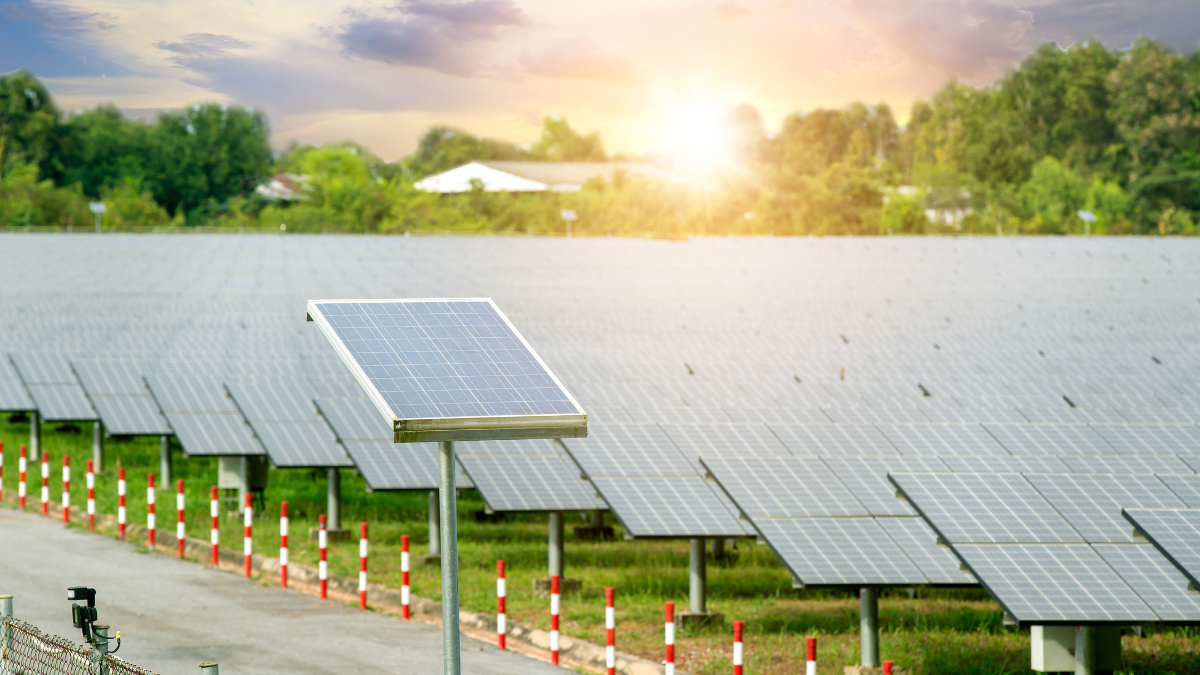
The report projects that South America could generate up to 98.5% of its electricity from renewable sources by 2050. Achieving this goal will require adding up to 55 GW of new renewable capacity annually—more than double the current rate—with solar and wind energy leading the expansion. However, ensuring reliable and secure power supply will depend on substantial investments in energy storage, backup generation, and modern grid infrastructure to manage variability. Enhanced regional cooperation, cross-border interconnections, and integrated electricity markets will also be vital to maintain system stability and optimise resource use across the continent.
To fully leverage its renewable energy potential, IRENA recommends seven key regional actions, including improving grid interconnections, developing integrated power markets, strengthening solar and wind supply chains, coordinating efforts in green hydrogen and sustainable biofuels, and advancing industrialisation and energy efficiency strategies. Developed in collaboration with the Inter-American Development Bank (IDB), the Latin American Energy Organization (OLADE), and the Economic Commission for Latin America and the Caribbean (ECLAC), the Regional Energy Transition Outlook South America assesses the integration of renewable and low-carbon technologies across 13 countries.
It provides actionable guidance for policymakers to support national energy plans, enhance Nationally Determined Contributions (NDCs), and guide infrastructure and investment decisions. The report also serves as a valuable resource for private sector stakeholders, offering insights for strategic planning, investment, and risk management in the evolving South American energy landscape.
Subscribe to get the latest posts sent to your email.