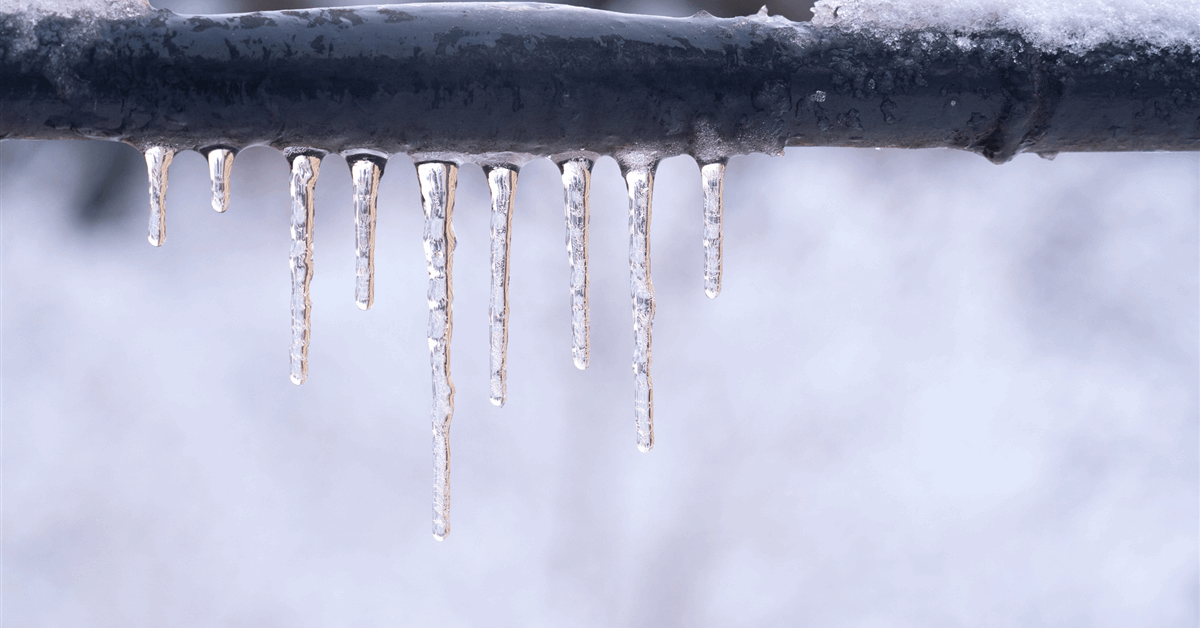
AccuWeather expert meteorologists say several Arctic blasts will send waves of bitterly cold air across much of the eastern United States starting this weekend.
That’s what a media advisory sent to Rigzone by the AccuWeather team this week stated, adding that the “deep freeze could impact natural gas production and operations in the Northeast”.
“The blasts of cold air are expected to trigger a surge in heating demand, leading to higher energy and utility bills,” the advisory warned.
In the advisory, AccuWeather Senior Meteorologist Alan Reppert said, “we expect Marcellus Shale natural gas production areas in the Northeast could be impacted by bitterly cold air”.
“This deep freeze could slow or even stop drilling and operations at times. The demand for natural gas and heating will likely surge across the eastern half of the country starting this weekend, as temperatures plummet across the Northeast, Midwest, and much of the Southeast,” Reppert added.
“We also expect parts of Europe to be impacted by very cold air later this week and possibly into next week, which could increase the demand for natural gas exports,” he continued.
“The combination of cold weather impacts and heating demand in the United States and Europe will likely cause natural gas prices to remain elevated into next week,” Reppert went on to note.
The media advisory stated that AccuWeather expert meteorologists say the waves of cold air could lead to the coldest January in the United States as a whole since 2011.
“Should the cold wave evolve to its full potential, temperature departures could plunge to 30 to 40 degrees below the historical average from the Midwest to the interior Southeast for several days during the first to second full week of January,” the advisory warned.
In the advisory, AccuWeather Senior Director of Forecasting Operations Dan DePodwin said, “in the Southeast (Virginia, the Carolinas, Georgia, Alabama, and Florida), this January could end up being the coldest since January 2018, which was 4.3 degrees below the historical average”.
“In an extreme scenario where the cold lingers past the middle of January, January 2025 could be the coldest since January 2014 in this region, which was six degrees lower than the historical average,” he added.
“The last two Januarys in the Upper Midwest (Minnesota, Iowa, Wisconsin and Michigan) have been well above the historical average spanning 1991-2020. January 2023 was 6.3 degrees above and January 2024 was 4.2 degrees above,” he continued.
AccuWeather Lead Long-Range Expert Paul Pastelok says waves of extreme cold could send AccuWeather RealFeel temperatures tumbling to 10-20 degrees across parts of northern Florida, the Gulf Coast, and the Southeast late next week, the advisory stated.
“Pastelok says AccuWeather RealFeel temperatures could plummet to -30 degrees in parts of the northern Plains and Upper Midwest late next week,” the advisory warned.
Pastelok noted in the advisory that “the key here is that the Arctic outbreak will involve many days and not just be a quick one to three day event”.
“A trainload of Arctic high-pressure areas will move southward into the U.S. from the northern Plains to the Southeast states with the pattern,” he warned.
Rigzone has contacted the American Petroleum Institute (API) for comment on AccuWeather’s advisory. At the time of writing, the API has not yet responded to Rigzone’s request for comment. The API represents all segments of America’s natural gas and oil industry, the industry body’s website states.
With global headquarters in State College, PA, and other offices around the world, AccuWeather serves more than 1.5 billion people daily, the company’s website states.
To contact the author, email