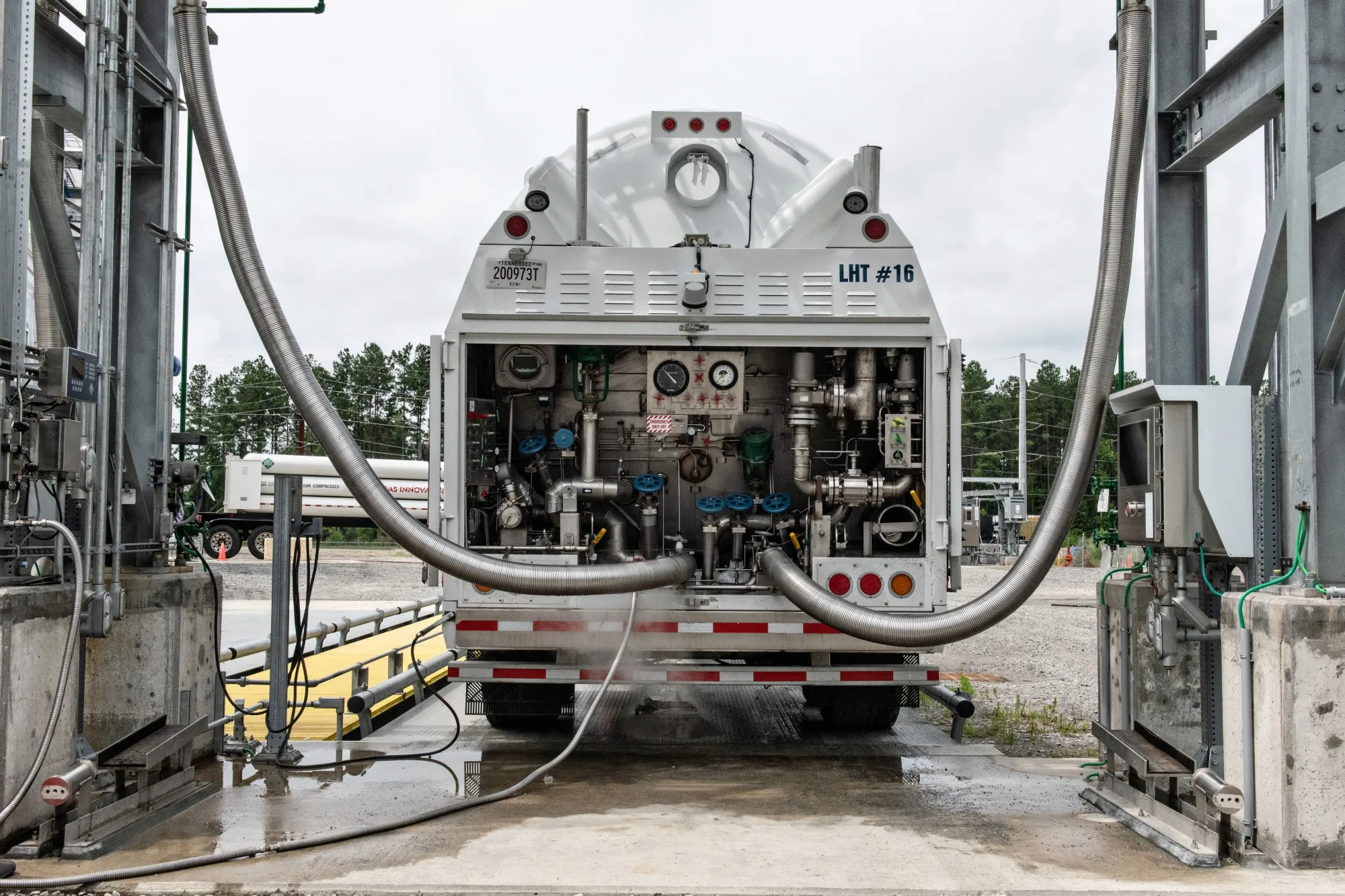
The Biden administration loosened some stringent safeguards on a tax credit worth billions of dollars for hydrogen production, after companies argued the rules would stifle domestic manufacturing of the fuel.
The tax credit created by President Joe Biden’s signature climate law now includes a carve-out, sought by companies including Constellation Energy Corp., that will benefit some existing nuclear power plants, according to released by the Treasury Department Friday.
The rules, which were released in draft form in December 2023, also provide pathways for hydrogen made from natural gas with carbon capture systems, methane and renewable natural gas to receive the tax credit.
The credit, which provides as much as $3 per kilogram for production, is meant to spur a domestic industry for the clean-burning fuel, which advocates say is critical for lowering carbon dioxide emissions in the production of steel, cement and heavy transportation. The rules surrounding subsidies for it have been the subject of intense lobbying over what projects can qualify, with producers such as Plug Power Inc. pressing for .
“The extensive revisions we’ve made in this final rule provide the certainty that hydrogen producers need to keep their projects moving forward and make the United States a global leader in truly green hydrogen,” John Podesta, senior climate adviser to Biden, said in a statement.
Constellation shares rose as much as 4.8% in New York on Friday. Plug Power shares climbed as much as 5.6%.
“It’s enough to make me happy. It’s progress,” Andy Marsh, Plug’s chief executive officer, said in an interview. “We can do business a lot easier with what they put in place.”
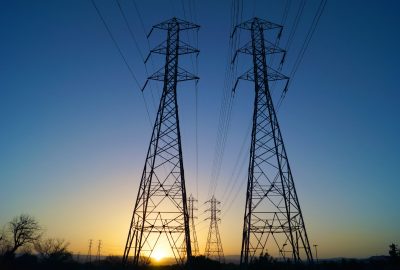
As proposed, the most lucrative credits will go to projects powered by wind, solar, or other renewable generating plants that were added to the grid within three years of the hydrogen plant starting operations. But in a change to the rule, producers have an additional two years to fulfill the requirement that the clean energy be generated at the same time as the gas.
The new rules allow some nuclear reactors to count as a clean energy source. They also include electricity from states that have “robust” greenhouse emission caps paired with clean electricity standards, including California and Washington.
In addition, methane made from natural gas using carbon capture and sequestration is included. Policymakers also expanded the eligibility of kinds of renewable natural gas that can be used, including methane from wastewater, animal manure and coal mines.
The final rule “affords project developers the basis for evaluating opportunities to scale clean hydrogen deployments,” Frank Wolak, president of the Fuel Cell and Hydrogen Energy Association, said in a statement.
But the US Chamber of Commerce said the new rules fell short and noted the incoming Trump administration would have the opportunity to change them.
“While the rule provides some of the additional flexibility we sought, especially in recognizing the importance of natural gas as a cornerstone of a hydrogen economy, we believe that it still will leave billions of dollars of announced projects in limbo,” said Marty Durbin, president of the Chamber’s Global Energy Institute.
The changes drew praise from mainstream environmental groups such as the Natural Resources Defense Council, which said the final rules were “an important step towards a truly clean hydrogen industry.”
“The rule maintains key protections that minimize dangerous air and climate pollution from electrolytic hydrogen production while also protecting US taxpayers and electricity consumers,” said Erik Kamrath, a hydrogen advocate for the group.
But the deep green environmental group Earthjustice criticized the rules for allowing “significant loopholes for dirty hydrogen producers to enjoy the benefits of this important climate program.”
“The Biden administration’s tax guidance supports clean hydrogen projects that by and large do not worsen climate and health-harming pollution, but more protections are needed,” Chris Espinosa, the group’s legislative director for climate & energy, said in a statement.
Share This:
More News Articles