A new report released by the International Energy Agency (IEA) highlights that Czechia has the potential to unlock major economic opportunities as it advances toward its energy and climate goals, but emphasizes that strong planning and consistent policy implementation will be essential for success. The publication, Czechia 2025, provides a comprehensive review of the country’s energy policies across all major sectors and lays out a series of recommendations aimed at strengthening energy security, ensuring affordability, and cutting emissions.
One of the central messages of the report is the need for Czechia to move quickly away from coal, which currently supplies more than one-third of the country’s electricity and half of its district heating. Although Czechia has committed to phasing out coal-fired power plants by 2033, rising carbon prices and broader economic factors could accelerate closures, making it urgent for the country to scale up alternative energy sources while managing the social and economic impacts in coal-dependent regions, supporting workforce transitions, and maintaining public support.
The report stresses that the clean energy transition also brings significant opportunities for industrial growth. Czechia already hosts a strong heat pump manufacturing base, and domestic production of electric vehicles exceeded 150,000 units in 2024. With the right policy direction, the shift away from coal could help expand clean energy industries and boost long-term economic resilience.
However, the IEA notes that clear and coordinated policies are necessary to guide this transformation. While the country has set ambitious climate and energy targets, it now needs a new long-term energy strategy that aligns plans with national goals, provides predictability for markets, and strengthens investor confidence.
In recent years, Czechia has made notable progress in strengthening energy security, reducing its dependence on Russian oil, gas, and nuclear fuel, and diversifying its supply sources. It is also developing new mechanisms to encourage investment in dispatchable power generation. Yet as electrification accelerates, and with projections that Czechia may become a net electricity importer by 2030, ensuring a secure electricity supply will become increasingly important.
The report highlights that nuclear energy will play a key role in meeting future demand. Extending the life of existing nuclear plants, moving ahead with new large reactors, and advancing plans for small modular reactors (SMRs) could allow nuclear power to remain a central pillar of Czechia’s low-carbon electricity system through the middle of the century while supporting thousands of skilled jobs.
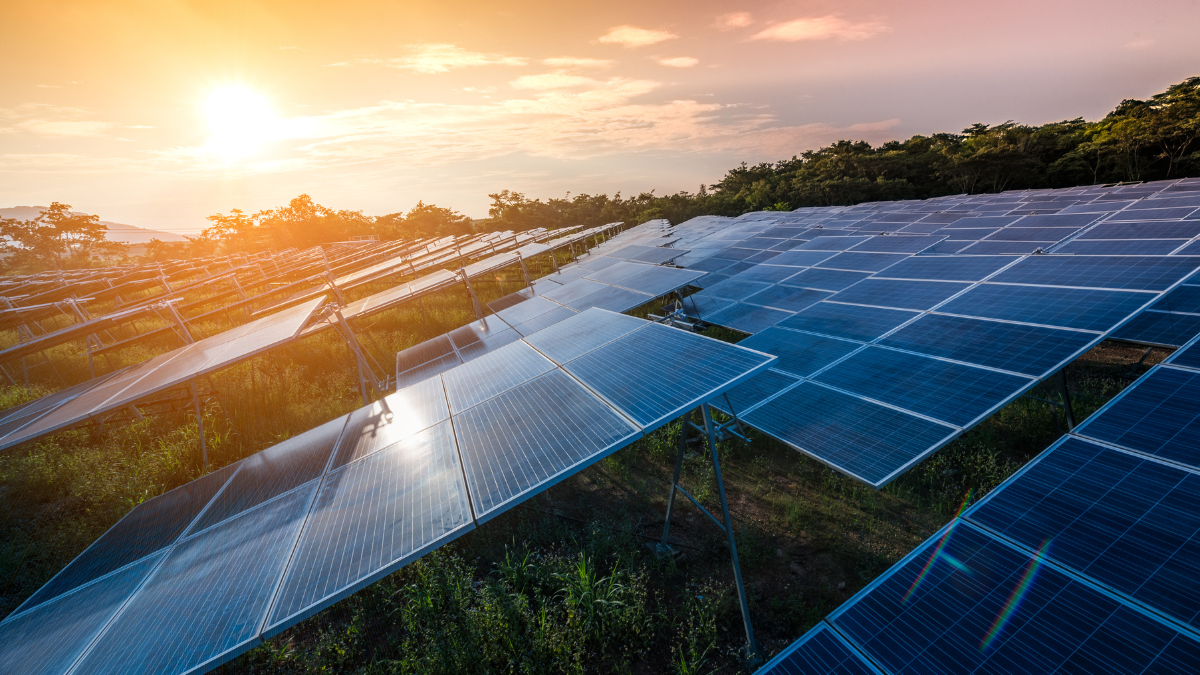
At the same time, Czechia is steadily expanding its renewable energy capacity. Rooftop solar installations have grown rapidly, but wind and utility-scale solar projects continue to lag behind targets due to permitting challenges and local opposition. To accelerate progress, the IEA recommends that the government set binding targets for renewable energy deployment, improve auction schedules, reform regulatory frameworks to strengthen corporate power purchase agreements, and expand access to the electricity grid for new projects.
Consumer affordability remains a key policy priority, and the report indicates that greater demand-side flexibility, supported by widespread smart meter rollout, could help lower electricity prices. Electricity tariff reforms could further support the electrification of transport, heating, and industrial processes, leading to greater energy savings and reduced emissions.
The IEA also points to additional opportunities for energy efficiency. Czechia can achieve deeper savings by refining existing support mechanisms, including its well-regarded New Green Savings (NZÚ) home improvement programme. Expanding the use of district heating networks could improve the efficiency of low-emissions energy sources, reduce waste, and enhance electricity grid stability. As part of its long-standing practice, the IEA’s review provides detailed recommendations to support policy development and encourages the exchange of best practices among member countries to strengthen global progress on energy and climate goals.
Subscribe to get the latest posts sent to your email.