Oil majors in Brazil have decided they’ve seen enough of the proposed Subsea7–Saipem tie-up, and they’re pushing antitrust regulator Cade to slow it down or break it up. The merger, announced earlier this year, would create a new oilfield services deepwater heavyweight called Saipem7 — a company large enough to matter in any basin, but especially in Brazil, where subsea contractors are already a small club.
Cade has now asked both firms for fresh data, saying it still doesn’t have the information it needs to assess the deal. That request landed shortly after IBP — the industry group representing Brazil’s majors — warned that a combined Subsea7–Saipem could raise costs, delay projects, and lean on operators to sign long, exclusive contracts. In other words, the exact behavior regulators are supposed to prevent.
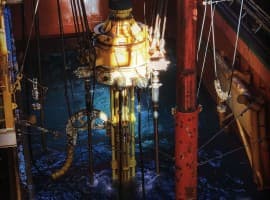
TotalEnergies went further, filing a study arguing that no set of remedies could fully offset the competitive risks. According to Total, the merged firm would control eight of the twelve ships worldwide capable of handling the toughest SURF work — the subsea umbilicals, risers, and flowlines essential for Brazil’s ultra-deepwater fields. Exxon also raised flags, and Petrobras joined the chorus asking Cade to either block the deal outright or force asset sales.
The scale is hard to ignore. Saipem7 would launch with a €43 billion backlog and about €21 billion in annual revenue. And while the two companies insist the merger is on track for late 2026, Cade is clearly taking its time — meeting not only with operators in Brazil but with regulators in the U.S., U.K., and Mozambique. The U.K. has already approved the deal; Brazil is shaping up to be the real test.
It’s a familiar story, really. The consolidation in oilfield services accelerates, offshore activity rebounds, and operators remember why they are not keen on concentrated supplier power.
By Julianne Geiger for Oilprice.com
More Top Reads From Oilprice.com
- Exxon Eyes Lukoil’s Huge Iraqi Oilfield as U.S. Sanctions Forces Sales
- TotalEnergies Partners with Japanese Giants for U.S. Synthetic Gas Project
- Kazakhstan Plans to Double Oil Refining Capacity by 2040