Information on India’s small modular reactor (SMR) plans has been given in several written answers from Minister of State Jitendra Singh to both houses of the Indian parliament at the start of its winter session.
The 200 MWe Bharat Small Modular Reactor (BSMR-200), which is based on pressurised water reactor technology, the 55 MWe Small Modular Reactor (SMR-55) and a 5 MWt high-temperature gas-cooled reactor are being designed and developed by India’s Bhabha Atomic Research Centre (BARC) and feature alongside plans for new large capacity reactors in India’s plans to achieve 100 GWe of nuclear capacity by 2047.
Singh reiterated the provision in the 2025-2026 budget of INR20,000 crore (around USD2.5 billion; 1 crore is 10 million) to operationalise at least five indigenously-designed SMRs by 2033. BSMR-200 is in an advanced stage of obtaining financial and administrative sanction, he said.
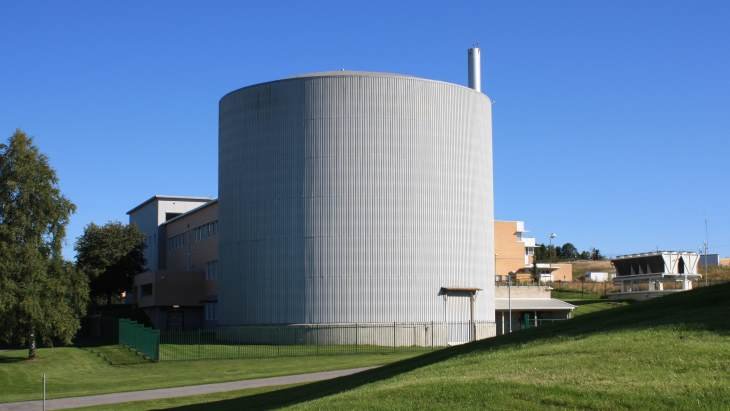
The Tarapur Atomic Power Station site in Maharashtra is proposed for construction of the lead BSMR-200 unit. The SMR-55 lead unit is also proposed to be constructed at Tarapur. The 5 MWt high-temperature gas-cooled reactor – which is intended to be coupled with a chemical process for hydrogen production – is proposed for construction at BARC’s Vizag R&D campus in Andhra Pradesh.
Tarapur is a site with a long history. Two 150 MWe BWRs built there by GE on a turnkey contract were connected to the grid in 1969, becoming India’s first nuclear power plant, and two Indian-designed pressurised heavy water reactors were connected to the grid in 2005 and 2006. The two BWR units are both still classed as operable, although they have been offline for refurbishment work since 2020.
Private partnerships
India’s atomic energy legislation has up to now prohibited private control of nuclear power generation: only government-owned enterprises Nuclear Power Corporation of India Ltd (NPCIL) and BHAVINI are legally allowed to own and operate nuclear power plants in India, and private sector companies and foreign investors are not allowed to invest directly in nuclear power. But amendments to India’s Atomic Energy Act to enable broader participation by private and state sectors are slated for consideration in the current parliamentary session.
“In respect of Bharat Small Reactors for captive use by industries, NPCIL floated a Request for Proposal (RFP) on December 31, 2024 in line with the business model approved by the Government,” Singh said in a published on 3 December. “A pre-proposal meeting was organised in February 2025 where queries of the interested industries were addressed. Clarifications on all the queries raised by various interested industries were compiled and posted on the NPCIL website. Further, based on requests from the industries, the last date for submission of RFP has been extended to March 31, 2026.”
“The draft Atomic Energy Bill 2025 is currently in advanced stage of processing and preparation with final comments and suggestions from various Ministries being progressively incorporated along with concomitant vetting by Ministry of Law and Justice for legal compliances. Policy directives of the Government with regard to specific aspects of the Bill are being suitably incorporated before being put up for approvals,” he added.