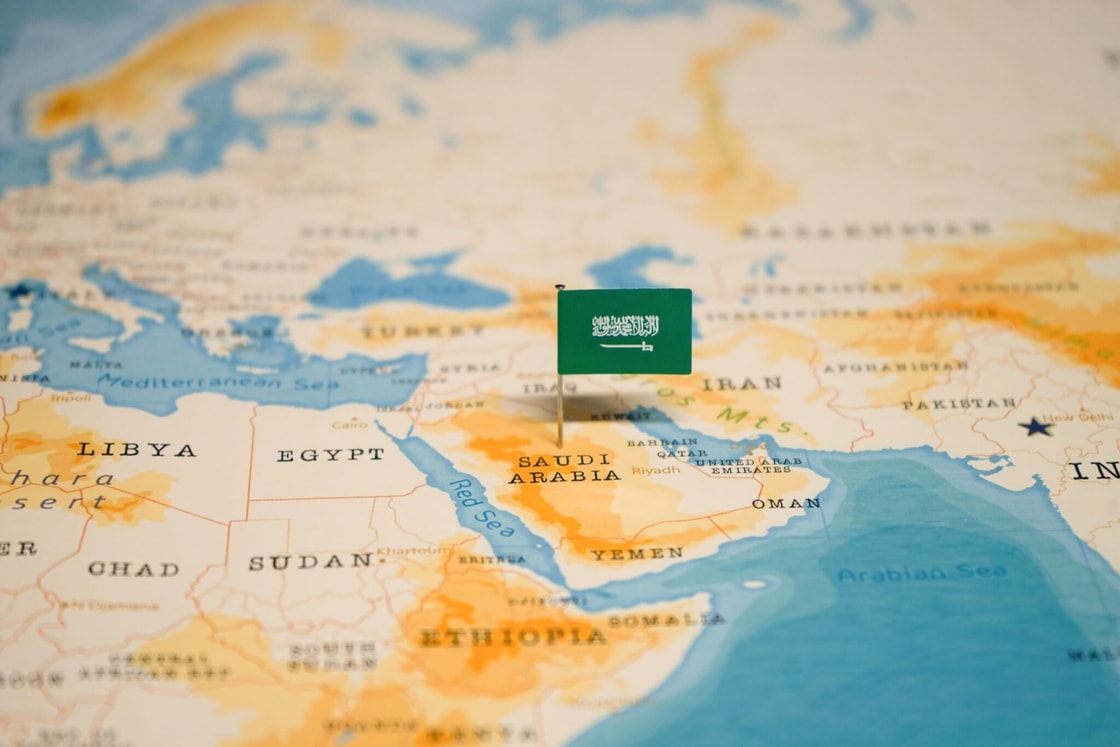
Saudi Arabia is expected to further lower the price of its crude oil bound for Asia in February, as global supply remains plentiful and spot benchmarks in the Middle East have dropped, a Reuters survey of six Asian refining sources showed on Monday.
Saudi Arabia, the biggest crude exporter in the world, is poised to reduce the price of its flagship Arab Light crude by $0.10 to $0.30 per barrel for February loadings to Asia, the participants in the survey said.
The expected drop would bring the price of Arab Light to a premium of $0.30-$0.50 over the average Oman/Dubai benchmarks, to the lowest premium in over five years.
Refiners in Asia expect Saudi Arabia to reduce the price of its oil for the third consecutive month.
The price declines for the Arab Extra Light, Arab Medium, and Arab Heavy grades are set to be smaller than the dip in the Arab Light prices, according to the refining sources in the Reuters survey.
The price of Arab Extra Light may decline by $0.10-$0.20 cents, and Arab Medium and Arab Heavy are likely to either remain flat or drop by $0.10, the Asian refiners say.
The price cuts from Saudi Arabia over the past two months were widely expected by the market as the spot benchmarks in the Middle East, including the cash Dubai premium to swaps, have slipped since the start of November.
Moreover, the market appears to be well supplied as OPEC+ has raised output in 2025.
The OPEC+ producers decided at the meeting at the end of November to stick to their previous pledge to pause oil production increases in the first quarter of 2026.
Saudi Arabia typically announces around the fifth of each month its crude pricing for the following month and doesn’t comment on price changes. It also sets the tone for the pricing of the other major oil producers in the Middle East, influencing the pricing policy of about 9 million barrels per day (bpd) of exports from the Arab Gulf region.
By Tsvetana Paraskova for Oilprice.com
More Top Reads From Oilprice.com
- The Critical Failure Point in Modern High-Efficiency Solar Cells
- Precious Metals Rally Extends As Safe Haven Demand Surges
- China’s EV Exports Soar by 87%