Putting captured biogenic carbon dioxide to use is one of the best ways to develop carbon circularity in the global economy. And if that utilisation effectively sequesters the CO2, all the better.
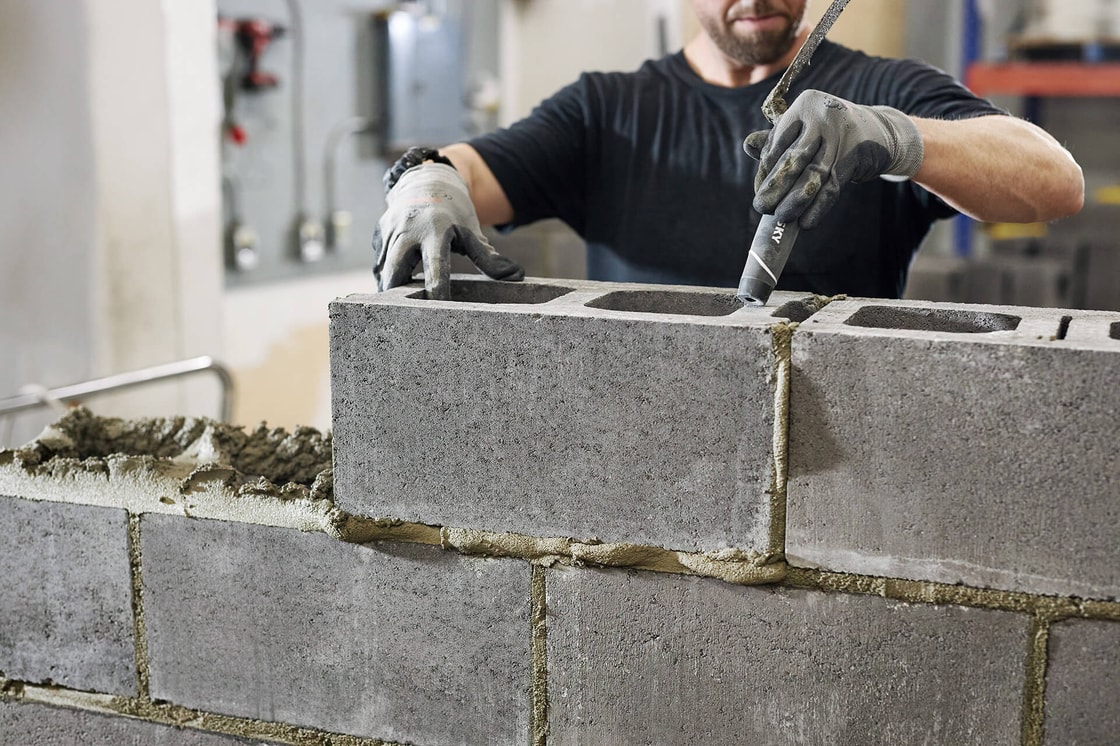
With that in mind, one stand-out growth opportunity in today’s decarbonising world lies in the expanding use of merchant CO2 being injected in concrete and cement, alongside other new process innovations in the space.
It is the scope of the opportunity that is so striking here, because concrete, and its CO2-intensive binding agent cement, is the most used resource in the world after water – and a potent contributor to carbon emissions. Of course, that also makes it a clear target for decarbonisation efforts to limit global heating – in this case, with CO2 utilisation front and centre.
A concrete challenge
… to continue reading you must be subscribed