Indonesia is making significant strides in expanding its renewable energy sector while continuing to rely heavily on thermal power. According to the report by GlobalData, titled Indonesia Power Market Trends and Analysis by Capacity, Generation, Transmission, Distribution, Regulations, Key Players and Forecast to 2035, the country’s renewable power capacity is expected to reach 38.1 gigawatts (GW) by 2035, up from just 8.4 GW in 2024. This growth represents a compound annual growth rate (CAGR) of 14.7% over the next decade, highlighting Indonesia’s strong commitment to clean energy development.
The report analyses Indonesia’s installed capacity, electricity generation, technology mix, regulatory frameworks, and market trends from 2020 to 2024, with forecasts extending to 2035. It also examines investment opportunities and strategies adopted by key players in the power sector. The country is advancing its renewable energy transition while still maintaining a significant dependence on coal and natural gas. This dual approach is designed to ensure a reliable and consistent power supply across Indonesia’s geographically dispersed islands.
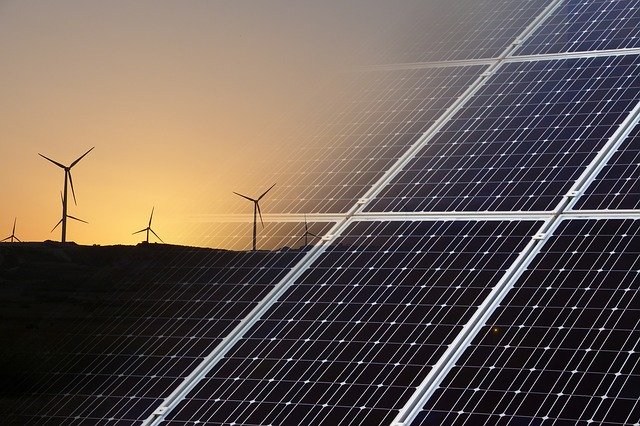
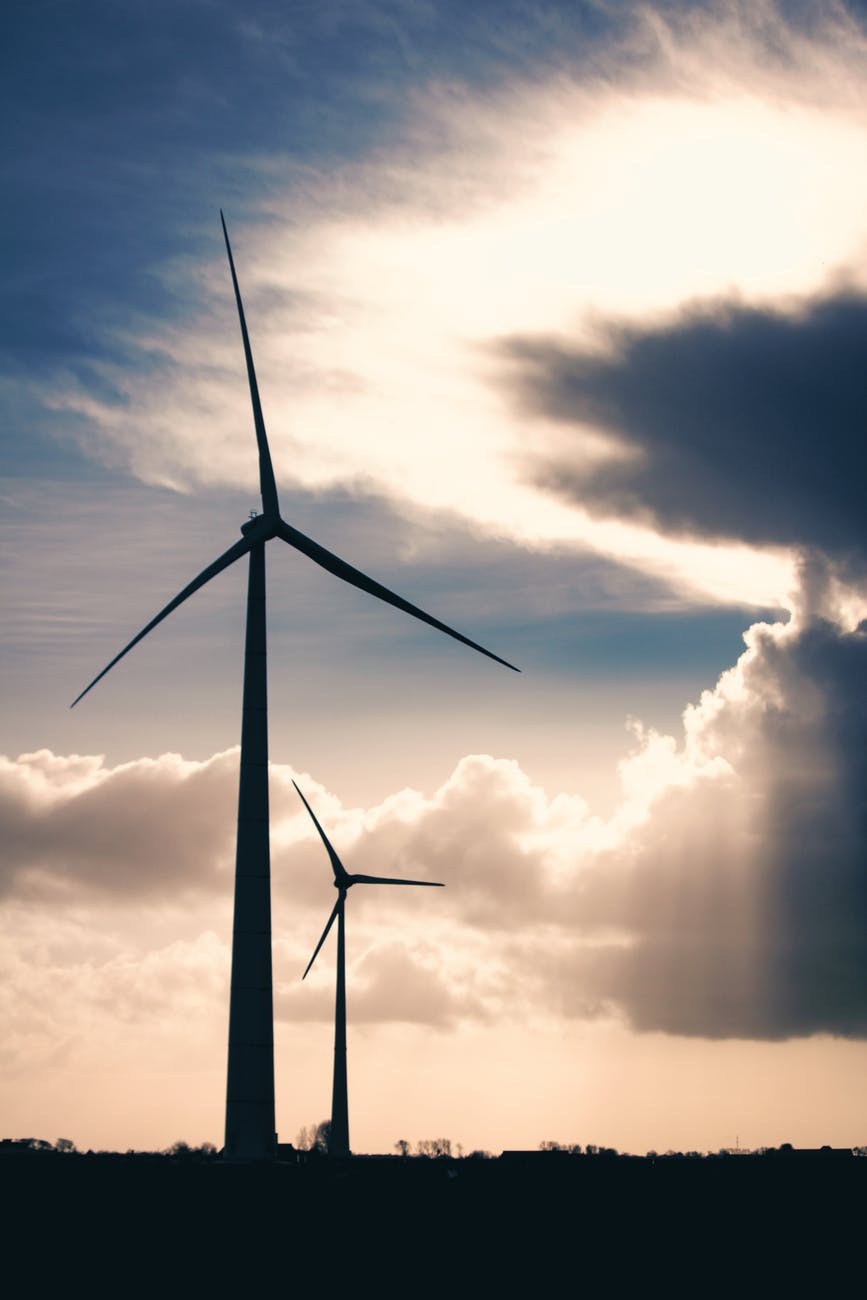
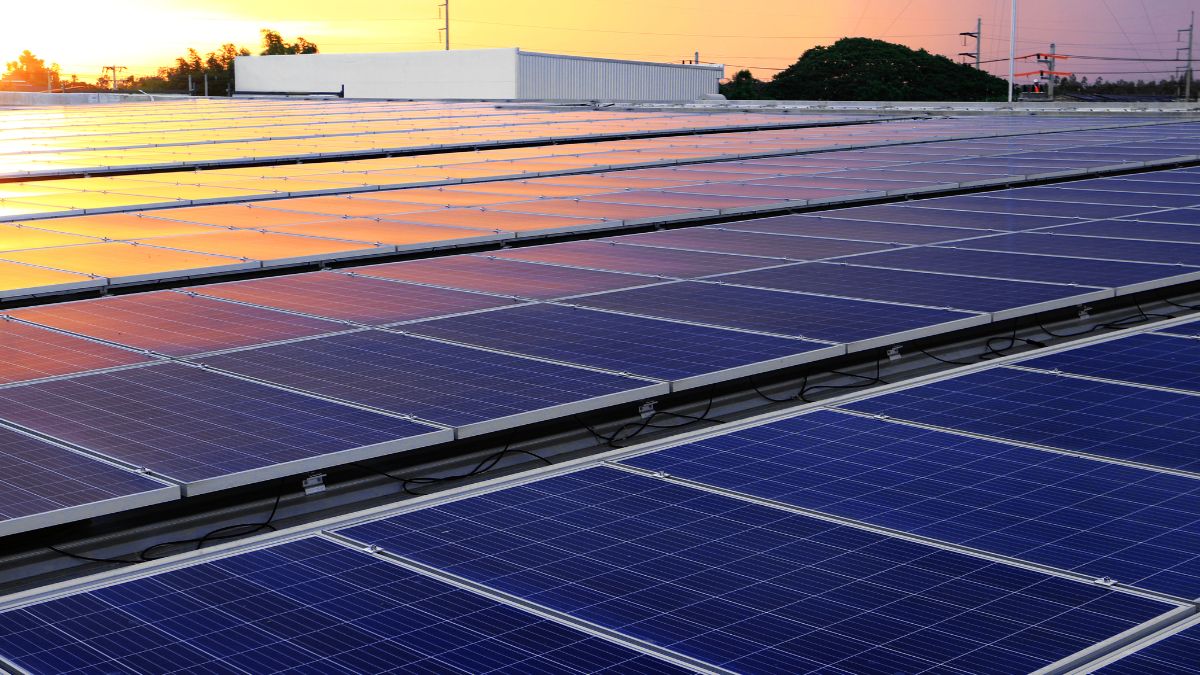
Solar photovoltaic (PV) power is expected to lead renewable growth, with capacity projected to increase from 0.9 GW in 2024 to 23.2 GW by 2035. This surge is driven by the expansion of floating solar projects, utility-scale installations, and rooftop solar programs supported by updated feed-in tariffs and net-metering policies. Onshore wind capacity is also set to rise from 0.15 GW to 2.6 GW, aided by competitive tenders and hybrid renewable developments in regions such as Sulawesi and East Nusa Tenggara. Geothermal energy will continue to play an important role, with capacity increasing from 2.6 GW to 5.5 GW, leveraging Indonesia’s abundant geothermal resources and financial support through initiatives like the PT SMI Geothermal Fund.
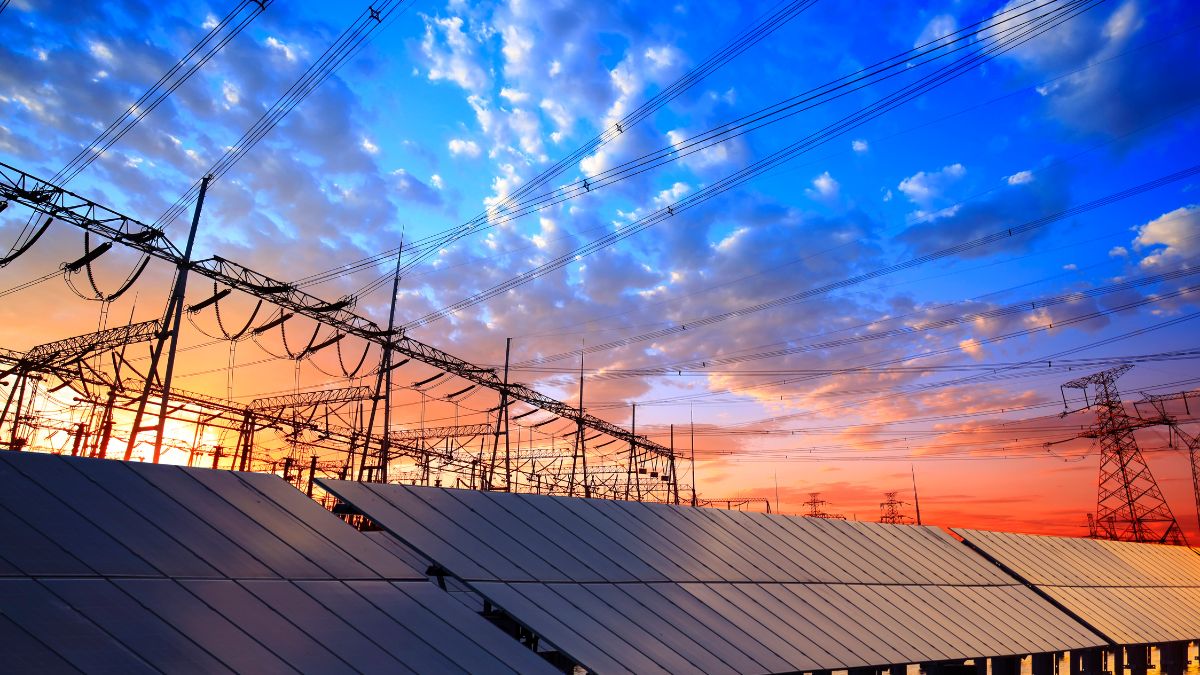
Government policies and frameworks are accelerating the country’s clean energy transition. The Just Energy Transition Partnership (JETP) aims to achieve 44% renewable electricity by 2030, while the RUPTL 2025–2034 plan provides a long-term roadmap for energy sector development. Presidential Regulation 112/2022 has added further clarity for investors by limiting new coal development and establishing early retirement pathways for existing coal plants. Additionally, expansion of cross-island transmission networks and the deployment of digital grid systems are helping integrate renewable energy into the power system while improving reliability.
Despite the rapid growth of renewables, thermal power will remain dominant in Indonesia’s energy mix in 2035. Coal-fired capacity is expected to increase from 55.6 GW in 2024 to 61.4 GW, while gas-fired capacity will grow from 29.1 GW to 36 GW. This continued reliance on thermal generation is largely due to the country’s vast domestic coal reserves, low generation costs, and the need for natural gas to balance intermittent renewable power and provide baseload stability. Maintaining thermal infrastructure is especially important for ensuring a consistent electricity supply across isolated island grids while renewable capacity scales up. Indonesia’s power sector is entering a phase of dual-track growth, where renewable energy development is accelerating alongside the expansion and maintenance of thermal power. With solar PV and onshore wind leading renewable growth, supported by geothermal energy and grid modernization, the country is steadily building a more diversified, resilient, and secure energy mix through 2035 and beyond. This strategy reflects a careful balance between sustainability goals and the practical need for a stable electricity supply across the archipelago.

Subscribe to get the latest posts sent to your email.