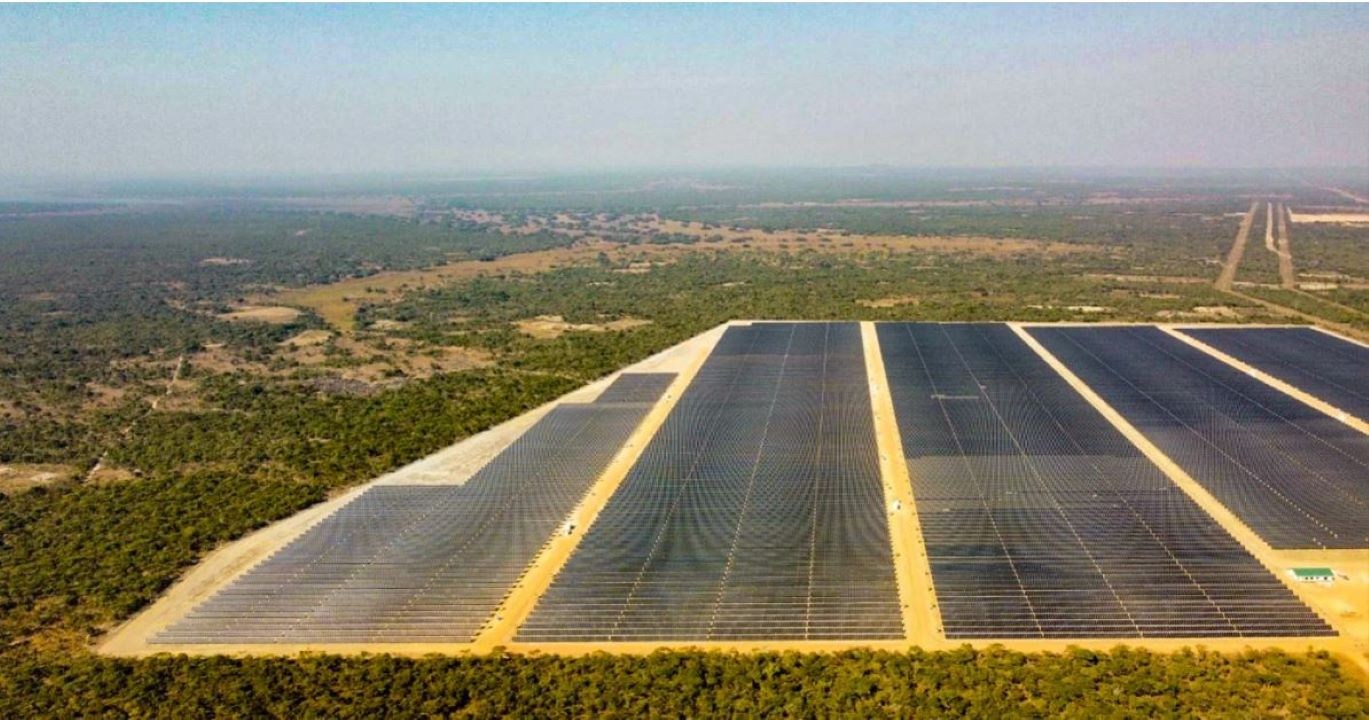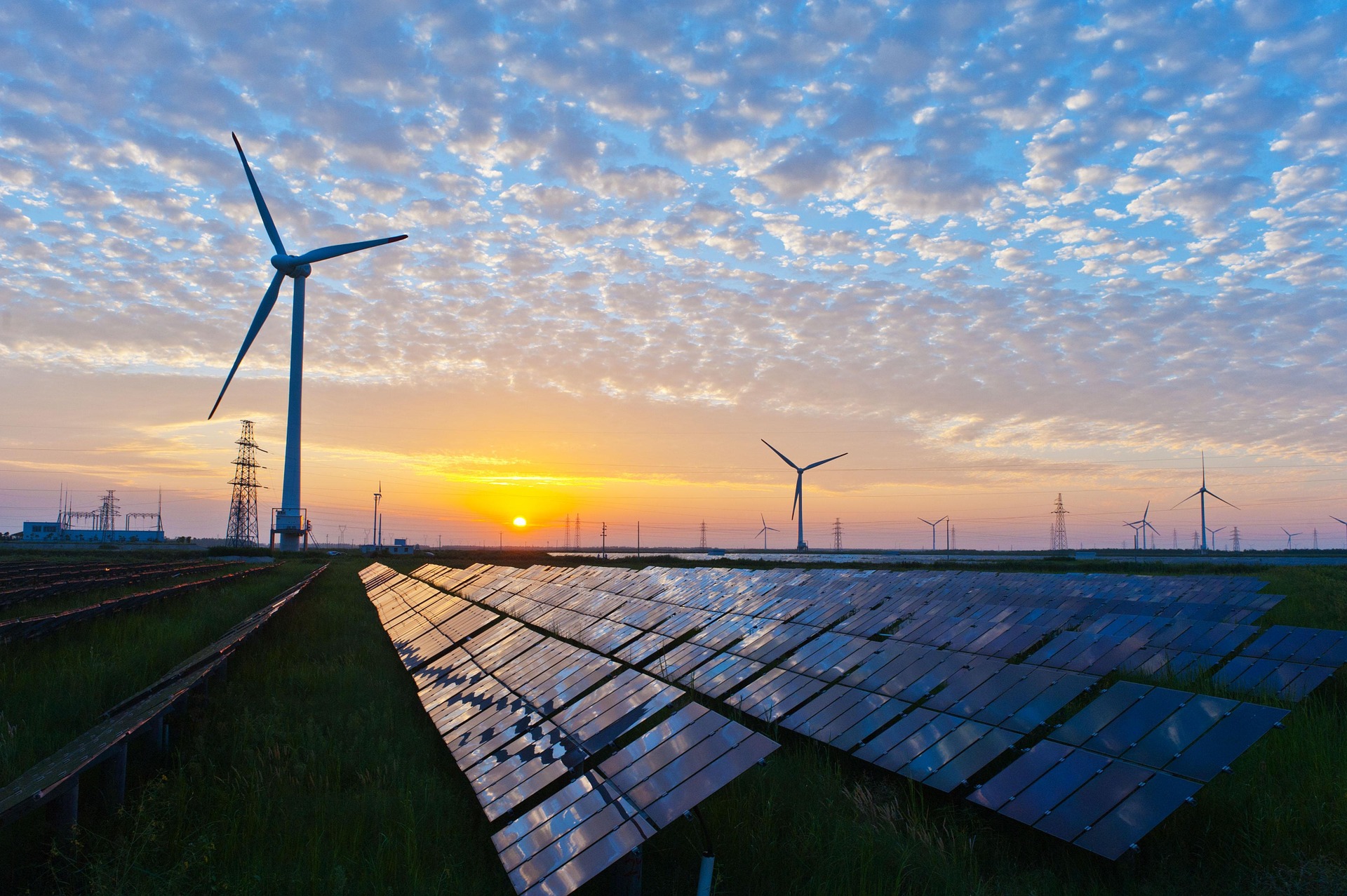
French energy major Engie is accelerating its investment in the Middle East’s renewable energy sector, marking a shift toward a greener future for the Gulf region. The company’s strategy aligns with its global goal of achieving net-zero emissions by 2045, with a particular focus on key markets like Saudi Arabia and the United Arab Emirates. This marks a significant change from its historical dependence on gas-fired power plants toward large-scale solar, wind, and sustainable water desalination projects.
A key element of Engie’s updated approach is moving away from traditional “baseload” fossil fuel plants that operate continuously and toward more flexible power solutions. Instead of building new conventional power stations, the company is now investing in technologies that support the grid when renewable energy sources fluctuate. Battery energy storage systems and specialized gas turbines that can be rapidly activated during peak demand are central to this approach. This strategy ensures grid stability while allowing a higher proportion of clean energy from solar and wind farms to be integrated into the regional electricity supply.
Engie is also transforming its water desalination operations in the region. Historically, desalination has been energy-intensive and closely tied to thermal power plants. The company is now prioritizing reverse osmosis technology, which is more energy-efficient and can operate on renewable electricity. By integrating solar power into its desalination facilities, Engie is helping governments meet growing water demands while reducing the carbon footprint of the process.
Although the company has explored green hydrogen, it has recently adopted a more cautious approach. Executives have emphasized that while green hydrogen has strong long-term potential, the current absence of a large-scale market and the high costs involved make it less practical in the short term. Instead, Engie is focusing on more immediately scalable technologies such as battery storage and utility-scale solar, ensuring that capital is deployed in projects that can be delivered efficiently under present economic conditions.
Engie’s leadership sees the Middle East as one of the most attractive regions for energy investment due to its well-structured regulatory environment and clear sustainability targets set by governments. Saudi Arabia aims for half of its electricity to come from renewables by 2030, while the UAE is pursuing similar objectives. Engie intends to act as a long-term partner rather than a short-term developer, leveraging its global expertise to support these nations in navigating their energy transitions.
With nearly three decades of experience in the region, Engie is well-positioned to contribute to a low-carbon growth trajectory. By focusing on flexible power solutions, efficient desalination, and scalable renewable projects, the company is playing a pivotal in helping the Middle East accelerate its transition toward clean and sustainable energy while balancing economic and environmental objectives.
Subscribe to get the latest posts sent to your email.