The company said that control rods had been withdrawn at 19:02 local time on 21 January and the reactor restarted. “However, at 12:28 on 22 January, an alarm was triggered in the control rod operation monitoring system for one control rod during the control rod withdrawal operation, causing the withdrawal operation to be suspended.
“We are currently continuing our investigation, but as it is expected that determining the cause will take time, we have decided to temporarily shut down the plant today and inspect the affected area. We will announce the results of the investigation as soon as they are known. If any malfunctions or other issues occur, we will continue to hold discussions with all parties involved and carefully address each issue, with safety as our top priority.”
Tokyo Electric Power Company (Tepco) received the go-ahead from the Nuclear Regulation Authority (NRA) on Wednesday to begin test operation of the reactor to confirm the integrity of the equipment, including a pre-operational operator inspection to be conducted after reactor start-up.
It originally planned to restart Kashiwazaki-Kariwa 6 on Tuesday, but on Monday announced that it had postponed the restart due to an issue with a safety alarm, which has since been rectified.
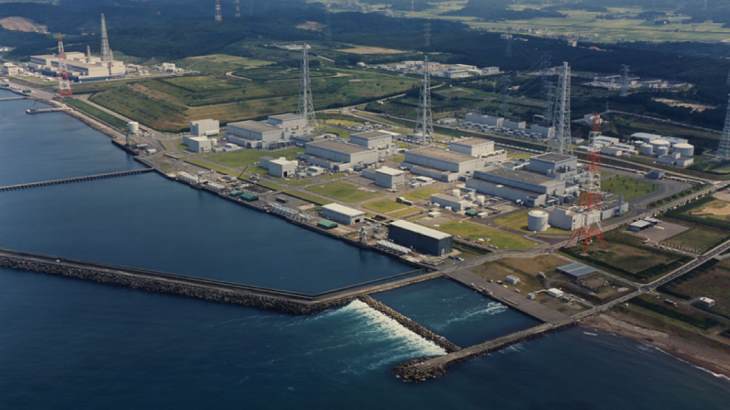
The seven-unit Kashiwazaki-Kariwa plant was unaffected by the March 2011 earthquake and tsunami which damaged Tepco’s Fukushima Daiichi plant, although the plant’s reactors were previously all offline for up to three years following the 2007 Niigata-Chuetsu earthquake, which caused damage to the site but did not damage the reactors themselves. While the units were offline, work was carried out to improve the plant’s earthquake resistance. All units have remained offline since the Fukushima Daiichi accident.
Although it has worked on the other units at the Kashiwazaki-Kariwa site, Tepco is concentrating its resources on units 6 and 7 while it deals with the clean-up at Fukushima Daiichi. These 1356 MWe Advanced Boiling Water Reactors began commercial operation in 1996 and 1997, respectively, and were the first Japanese boiling water reactors to be put forward for restart. Tepco received permission from the Nuclear Regulation Authority to restart units 6 and 7 in December 2017. Restarting those two Kashiwazaki-Kariwa units – which have been offline for periodic inspections since March 2012 and August 2011, respectively – would increase the company’s earnings by an estimated JPY100 billion (USD633 million) per year.
The governor of Japan’s Niigata Prefecture, Hideyo Hanazumi, gave his approval for the restart of Kashiwazaki-Kariwa units 6 and 7 in November last year, with the Prefectural Assembly backing his decision in December.
Tepco is prioritising restarting Kashiwazaki-Kariwa unit 6, where fuel loading was completed in June last year. The company has until September 2029 to implement anti-terrorism safety measures at unit 6. Kashiwazaki-Kariwa 6 would become the first reactor owned by Tepco to restart following the Fukushima Daiichi accident.
Tepco said ahead of Wednesday’s restart: “We will continue to confirm the integrity of the plant equipment while actually using steam, and will respond diligently to the NRA’s inspection. As this is the first operation in approximately 14 years, we will carefully proceed with each step of the plant equipment integrity check. We will take appropriate action if we notice any issues and will provide thorough information on the status of each startup process.”