EDF Energy manages the UK’s eight nuclear power plant sites, five that are operating (Sizewell B, Torness, Heysham 2, Heysham 1 and Hartlepool) and three that have entered decommissioning (Hunterston B, Hinkley Point B and Dungeness B). It took over the sites when it acquired British Energy in 2009. The company is also constructing the new Hinkley Point C plant in Somerset, and there are advanced plans for a replica of Hinkley Point C at Sizewell C in Suffolk.
In its latest UK Nuclear Fleet Stakeholder Update, EDF Energy said total output from the five operating plants was 32.9 TWh last year, which was 12% lower than in 2024 due primarily to an extended outage at the Hartlepool plant. The company said the plan for 2026 was to produce about 36 TWh, followed by about 37 TWh in 2027.
EDF Energy noted that output was more than treble the amount originally expected from these plants when EDF acquired the fleet in 2009. The youngest of the Advanced Gas-cooled Reactor (AGR) plants (Torness and Heysham 2) were originally due to stop generating in 2023 but investment in the fleet so far of GBP8.6 billion (USD11.6 billion), along with careful stewardship, has enabled four plants to stay online, preventing Sizewell B being left as the UK’s sole generating nuclear plant. The company said it will invest more than GBP1.2 billion in the plants over the 2026-28 period.
“We have achieved 38 years’ worth of life extensions across our AGR stations delivering an extra 263 TWh of low-carbon electricity,” EDF Energy noted. “That is more than the lifetime output of Heysham 1 (254 TWh), demonstrating the huge value in extending station lifetimes when possible.”
In September 2025, the estimated generating lifetimes of the Hartlepool and Heysham 1 AGR plants were extended by a further year, to March 2028. EDF said its ambition was “to generate from the AGR power stations until at least 2030, subject to plant inspections, reliability and regulatory support”.
In November, the UK Government said the retirement of the AGRs “risks leaving a dangerous gap in Britain’s low-carbon energy supply”. EDF said it has an ambition “to generate low-carbon electricity from all four generating AGR stations for as long as it is safe and commercially viable to do so, though now the stations are in the latter stages of their generating lives further extensions will not be for long. We will keep their lifetimes under review to assess whether further life extensions can be achieved”.
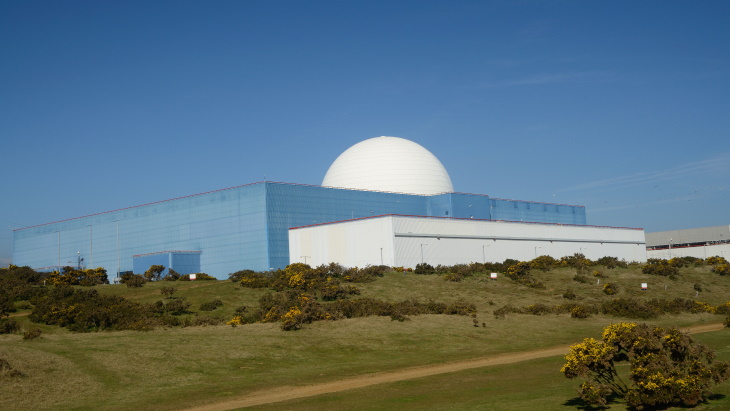
The Sizewell B pressurised water reactor (PWR) performed “exceptionally” in 2025, achieving a load factor of 99% and generating 10.4 TWh of electricity. “Operating the power station beyond 2035 to at least 2055 is technically feasible, has been achieved at similar power stations worldwide and would provide a reliable, clean source of power as new nuclear and renewable projects are brought online,” EDF Energy said. “However, volatility in the energy markets over the past few years has reinforced the importance of securing an appropriate commercial model for Sizewell B’s longer-term output.”
It added: “We are working with government and private companies to develop the future of our sites with plans starting to be shaped for new nuclear at Cottam and Hartlepool. Heysham in Lancashire and Torness in Scotland are both sites with lots of advantages for new developments.”
Three of the AGR plants acquired by EDF – Hunterston B, Hinkley Point B and Dungeness B – are now in the decommissioning stage. In April, Hunterston B completed its defueling mission on time and on budget, becoming the first of the AGR plants to be declared free of all used nuclear fuel. In November, Hinkley Point B completed the removal of all used fuel from its reactors. Once each site has been defueled by EDF, it will be transferred to the UK’s Nuclear Decommissioning Authority for its subsidiary, Nuclear Restoration Services, to carry out the next stages of decommissioning. The first plant, Hunterston B, is due to transfer in April 2026 and Hinkley Point B will follow in October 2026.