The New Year is often seen as a time to reflect and look ahead with renewed hope. While past mistakes and challenges remain, it offers a chance to reset and focus on new opportunities. This sense of cautious optimism is relevant for Southeast Asia, a region that continues to show strong economic momentum. Since 2015, the region’s economy has grown by around 30, with living standards steadily improving. According to the International Energy Agency, electricity demand in Southeast Asia grew by about 7 in 2024, almost double the global average, reflecting rising economic activity.
Despite geopolitical tensions and trade pressures, Southeast Asia is expected to account for nearly a quarter of global energy demand growth over the next decade, second only to India. This growth is being driven by population increase, urbanization, industrial expansion, rising incomes, and greater demand for cooling. To support this development and improve quality of life, energy supply must be reliable, affordable, and sustainable, a balance that remains difficult to achieve.
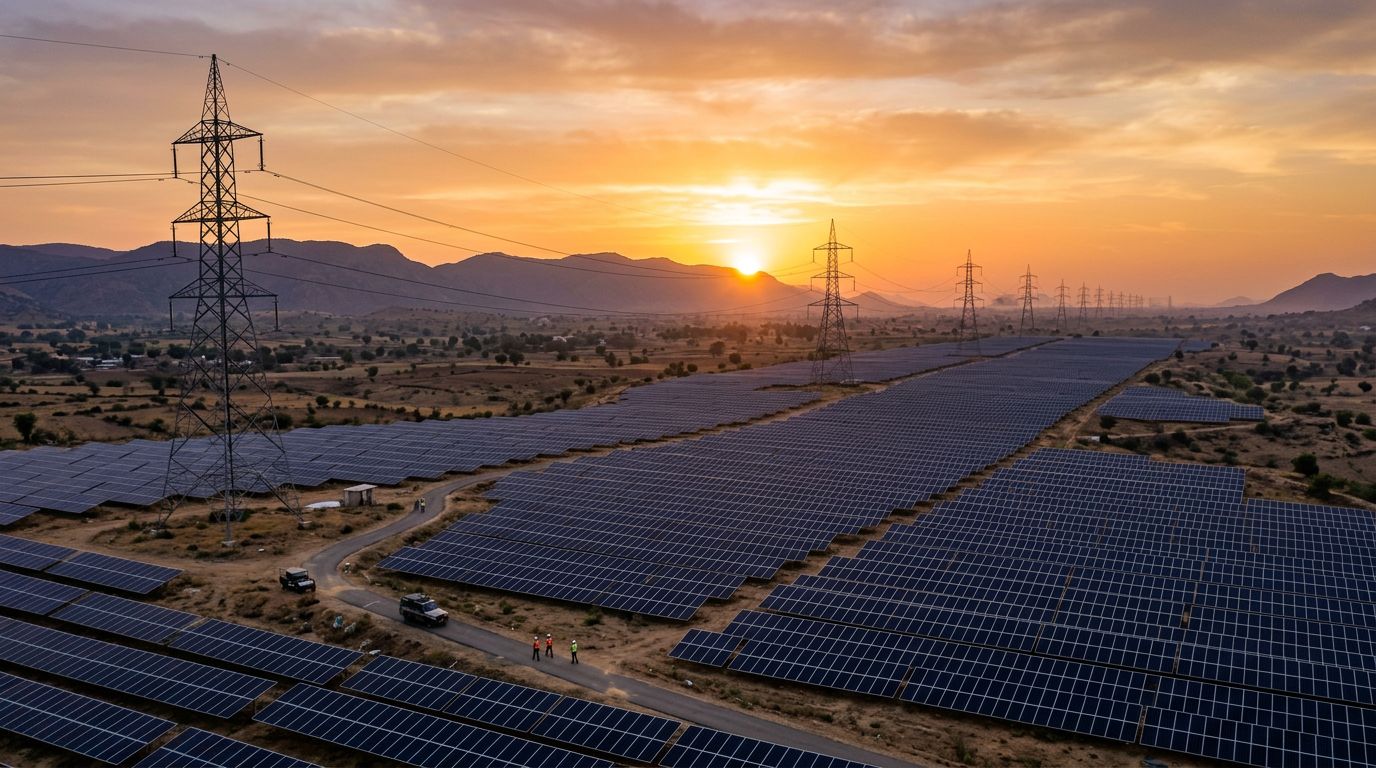
The region continues to rely heavily on fossil fuels, with coal and gas supplying about 80 of energy demand over the past 15 years. At the same time, there is growing interest in diversifying energy sources and reducing dependence on imported fuels. The IEA estimates that Southeast Asia has around 20,000,000 MW of untapped solar and wind potential, roughly 55 times the region’s current total generation capacity.
In the Philippines, coal accounted for 62.5 of power generation in 2024, followed by natural gas at 14.2. Renewable sources contributed smaller shares, including hydro at 8.6, geothermal at 8.5, solar at 3, wind at 1, and biomass at 1.1. Overall, renewables made up 22.2 of gross power generation. Government initiatives such as the Green Energy Auction aim to raise this share to 35 by 2030 and 50 by 2040, mainly through additional solar and wind projects.
The Department of Energy said solar capacity in the Philippines could reach 10,000 MW by 2026, supported by committed projects and those awarded under the Green Energy Auction. Companies like AboitizPower are contributing through utility-scale renewable projects and distributed energy solutions. Wind energy also offers strong potential, particularly offshore, with studies estimating more than 178 GW of possible capacity.
However, challenges remain. The IEA noted that the cost of capital for renewable projects in Southeast Asia is higher than in advanced economies. Offshore wind and battery storage face even higher costs in the Philippines, Indonesia, and Vietnam. The International Monetary Fund estimates that trillions of pesos in public and private investment will be needed to meet long-term energy transition goals, alongside major upgrades to grids and infrastructure. These realities highlight the need to balance optimism with .

Subscribe to get the latest posts sent to your email.