By and
As many as 151 million Americans are at high risk of power shortfalls — or outright blackouts — over the next five years because of extreme weather, natural gas system vulnerabilities and soaring electricity demand, according to a report by the grid reliability regulator.
Get the Latest US Focused Energy News Delivered to You! It’s FREE:
Areas deemed at high risk span the mid-Atlantic, Midwest, Pacific Northwest and Texas, and include the three largest US grids, according to the North American Electric Reliability Corp.’s annual assessment.
The report marks a significant threat escalation from last year due to a perfect storm of stressors on the US power system: aging infrastructure battered by more severe and widespread storms, demand growth supercharged by data centers, and retiring power plants being replaced too slowly.
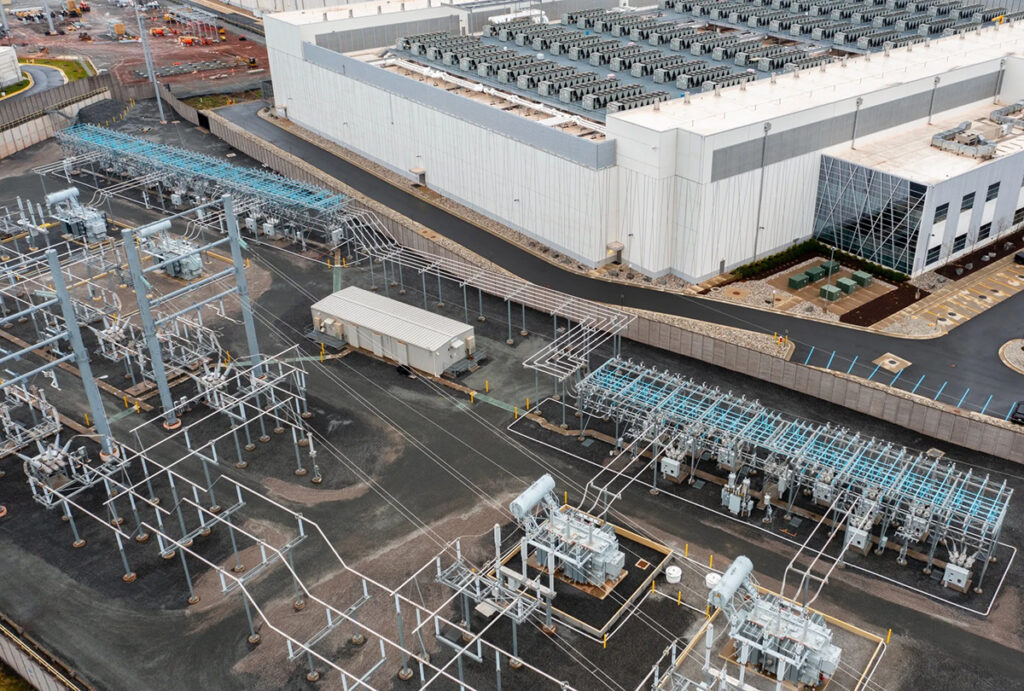
Looking out over the next decade, peak demand during the summer is projected to rise by 224 gigawatts, 69% higher than last year’s long-term outlook. That would be the equivalent of adding about 179 million more households. In this case, that new demand is coming from data centers supporting the artificial intelligence boom.
“New data centers for artificial intelligence and the digital economy account for most of the projected increase in North American electricity demand over the next 10 years,” NERC said in the report.
In all, more than 200 million people live in areas with at least an elevated risk of blackouts, according to NERC’s report. The most vulnerable power systems include PJM Interconnection LLC’s 13-state grid stretching from the mid-Atlantic the Midwest, as well as those operated by the Midcontinent Independent System Operator Inc. the Southwest Power Pool Inc., and the Electric Reliability Council of Texas Inc. MISO will start to see the risk climb as soon as 2028 and that will spread to the other regions the following year.
Since last year’s report, vulnerabilities in the US gas system have expanded. While the country is one of the top producers of the fuel and boasts a sprawling network of pipelines to move it, risks of supply disruptions on the delivery system are more pervasive. And yet, the US will become even more reliant on the fuel over the next decade as a new wave of power plants are being built to feed AI as well as the broader electrification of the economy.
References to “natural gas” nearly doubled to 202 instances versus last year’s assessment. while “data centers” more than doubled to 65.
There some bright spots, however. US Energy Department moves to delay the retirement of older power generators, as well as more cooperation among gas and power industries could mitigate some of the reliability risk, according to NERC. The regulator has also developed standards to reduce the threat of solar and other inverter-based resources from tripping offline. And since the blackouts in the Iberian peninsula last year, more batteries and other grid-supporting equipment have been added, the report noted.
Share This:
More News Articles