US Drillers Add Oil and Gas Rigs for Third Week in a Row, Says Baker Hughes

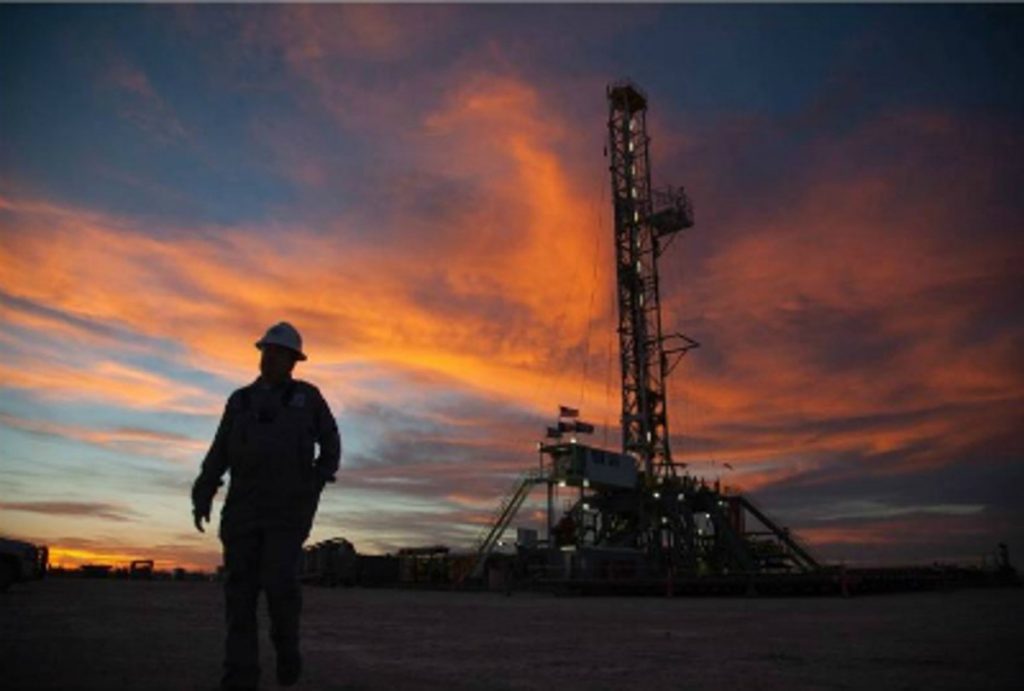
rig worker sunset 3 1200x810

(Reuters) – U.S. energy firms this week added oil and natural gas rigs for a third week in a row for the first time since November, energy services firm Baker Hughes said in its closely followed report on Friday.

The oil and gas rig count, an early indicator of future output, rose by five to 551 in the week to February 6, its highest since November.


Get the Latest US Focused Energy News Delivered to You! It’s FREE:


Despite this week’s rig increase, Baker Hughes said the total count was still down 35 rigs, or 6% below this time last year.

Baker Hughes said oil rigs rose by one to 412 this week, their highest since December, while gas rigs rose by five to 130, their highest since November.

The oil and gas rig count declined by about 7% in 2025, 5% in 2024, and 20% in 2023 as lower U.S. oil prices prompted energy firms to focus more on boosting shareholder returns and paying down debt rather than increasing output.

With just two of the 22 independent exploration and production companies tracked by financial services firm TD Cowen reporting 2026 spending plans, E&Ps so far have said they planned to cut capital expenditures by around 4% this year after cutting spending by around 4% in 2025.

That compares with roughly flat year-on-year spending in 2024, increases of 27% in 2023, 40% in 2022, and 4% in 2021.

With U.S. spot crude prices expected to fall for a fourth year in a row in 2026, the U.S. Energy Information Administration projected crude output would ease from a record 13.61 million barrels per day in 2025 to around 13.59 million bpd in 2026.

On the gas side, the EIA projected output would rise from a record 107.4 billion cubic feet per day (bcfd) in 2025 to 108.8 bcfd in 2026 even though spot prices at the Henry Hub benchmark were forecast to ease by about 2% in 2026.

Reporting by Scott DiSavino; Editing by Nia Williams

Share This:


More News Articles
 

  • Related Posts

    US Natural Gas Futures Fall More Than 8% on Milder Forecasts

    (Reuters) – U.S. natural gas futures fell by more than 8% on Monday on forecasts for milder weather than previously expected for the rest of the month, erasing the previous…

    Chevron’s Tengiz Oilfield Back to 60% of Usual Output, Two Sources Say

    Tengiz output has recovered to about 550,000 bpd, sources say Full recovery expected by February 23 Kazakhstan’s overall oil production on the rise January fires at power facilities caused prolonged…

    Have You Seen?

    US Natural Gas Futures Fall More Than 8% on Milder Forecasts

    • February 9, 2026
    US Natural Gas Futures Fall More Than 8% on Milder Forecasts

    Vitol Pushes Back Peak Oil Demand to Mid-2030s

    • February 9, 2026
    Vitol Pushes Back Peak Oil Demand to Mid-2030s

    Tengiz Oilfield Ramps Up Output to 550,000 Bpd after Fire

    • February 9, 2026
    Tengiz Oilfield Ramps Up Output to 550,000 Bpd after Fire

    Ukrainian Strikes Take a Heavy Toll on Russia’s Oil Refineries

    • February 9, 2026
    Ukrainian Strikes Take a Heavy Toll on Russia’s Oil Refineries

    Ranked: The Jobs Most Exposed to Generative AI, According to Microsoft – Visual Capitalist

    • February 9, 2026
    Ranked: The Jobs Most Exposed to Generative AI, According to Microsoft – Visual Capitalist

    US Natural Gas Futures Extend Decline as Forecasts Shift Warmer

    • February 9, 2026
    US Natural Gas Futures Extend Decline as Forecasts Shift Warmer

    TotalEnergies to Provide Solar Power to Google’s Texas Data Centres

    • February 9, 2026
    TotalEnergies to Provide Solar Power to Google’s Texas Data Centres

    Chevron’s Tengiz Oilfield Back to 60% of Usual Output, Two Sources Say

    • February 9, 2026
    Chevron’s Tengiz Oilfield Back to 60% of Usual Output, Two Sources Say

    Shell Needs Big Discovery or Deals as Oil, Gas Reserves Dwindle

    • February 9, 2026
    Shell Needs Big Discovery or Deals as Oil, Gas Reserves Dwindle

    New Zealand Eyes First LNG Terminal to Guard Against Power Shortages

    • February 9, 2026
    New Zealand Eyes First LNG Terminal to Guard Against Power Shortages