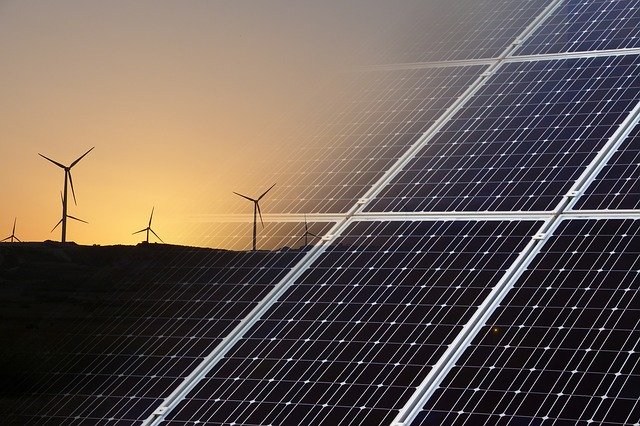
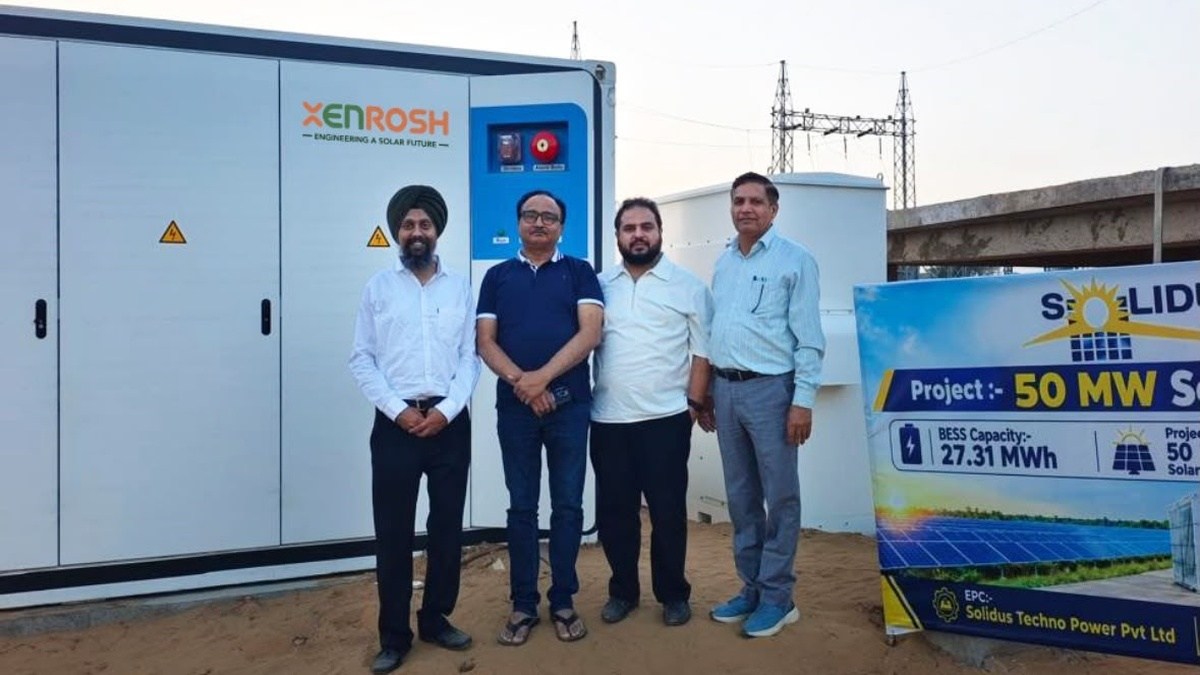
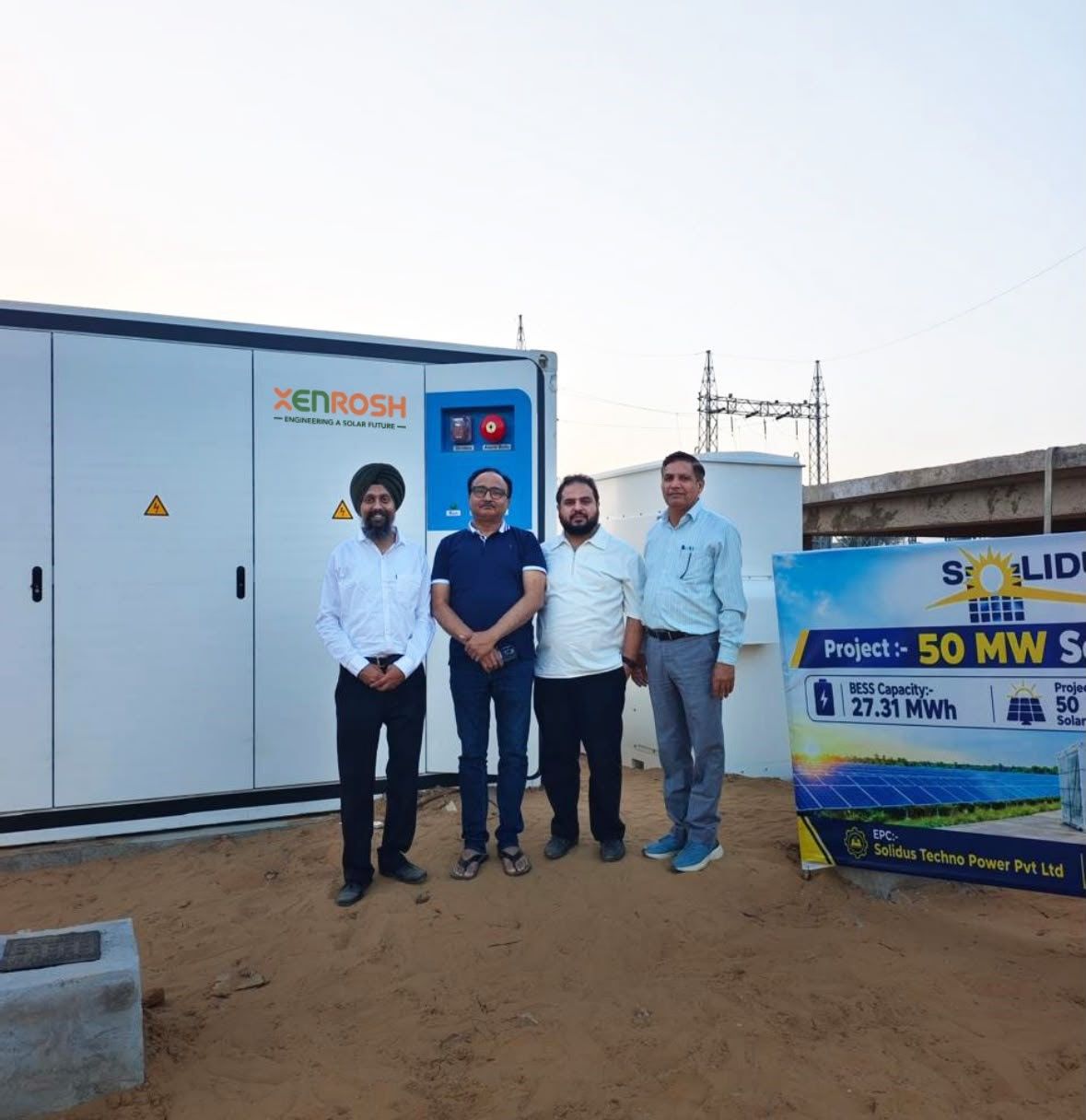
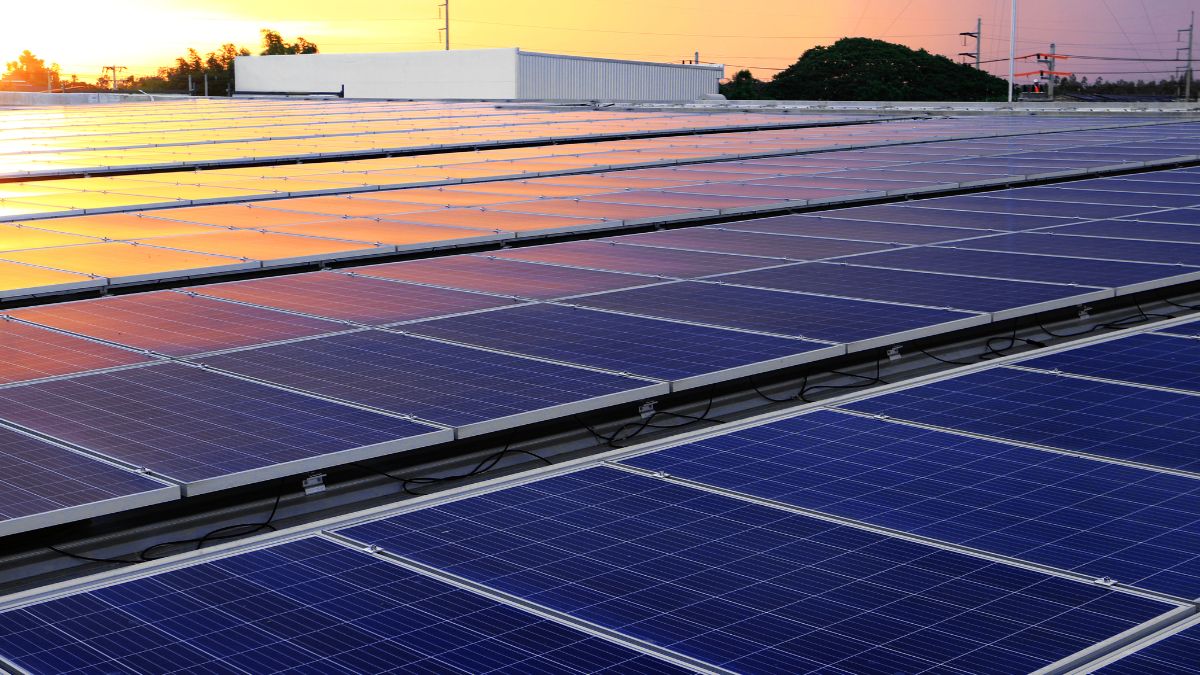
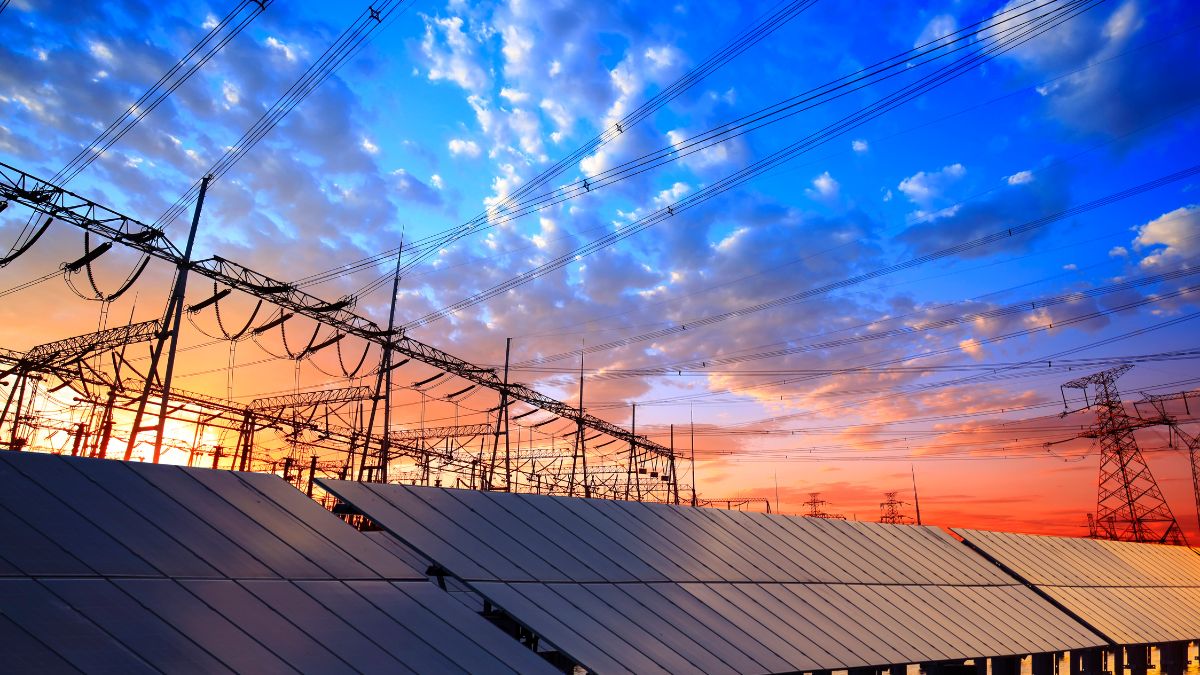
India’s renewable energy sector continued to show strong growth in 2025, with solar power remaining the main driver of capacity additions. Official data shows that by the end of January 2026, India’s total installed solar photovoltaic capacity reached 140,601.75 MW. This highlights the dominant role of solar energy in the country’s clean energy transition. Solar alone accounted for more than 66 percent of India’s total renewable energy capacity, excluding large hydro projects, underlining its growing importance in the national energy mix.
The calendar year 2025 turned out to be one of the strongest years for solar installations. During the year, India added around 37.95 GW of new solar capacity, marking one of the highest annual additions so far. The momentum continued into January 2026, when about 4.79 GW of solar capacity was added in a single month. This reflected a month-on-month growth of over 3.5 percent and pointed to strong project execution as the country moves closer to its medium-term renewable energy goals.
Wind energy also showed steady progress. Capacity additions in January 2026 indicated continued interest in diversifying renewable energy sources and balancing the power mix. By January 2026, India’s total renewable energy capacity, excluding large hydro, reached about 212.02 GW. Solar and wind together contributed over 195 GW, accounting for more than 92 percent of the non-large hydro renewable portfolio. This clearly showed that these two technologies are at the center of India’s energy transition.
Within the solar sector, ground-mounted projects continued to dominate, with installed capacity crossing 107 GW. Rooftop solar installations reached around 24.30 GW, reflecting growing adoption by households, commercial establishments, and industries. Solar-wind hybrid projects stood at about 3.36 GW, supported by the need for better land use and improved grid efficiency. Off-grid solar applications such as lanterns, solar pumps, and mini-grids crossed 5.68 GW, helping reduce diesel consumption and improve electricity access in remote areas.
Government policies played a key role in supporting this growth. The Production-Linked Incentive scheme helped boost domestic solar manufacturing, while the Approved List of Models and Manufacturers ensured the use of certified modules in government-backed projects. Tax reforms, including the reduction in GST on solar modules and wind turbine generators, also helped lower project costs.
At the same time, challenges remain. Land acquisition, grid integration, and supply chain uncertainties continue to pose hurdles. Despite this, the overall outlook for India’s renewable energy sector remains positive, with sustained policy support and rising adoption expected to help the country move closer to its 2030 non-fossil energy target.

Subscribe to get the latest posts sent to your email.