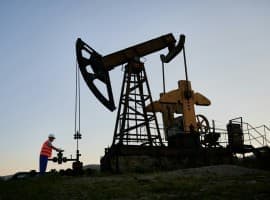
The giant Tengiz oilfield in Kazakhstan has returned 60% of its peak production and was pumping at a rate of 550,000 barrels per day as of Sunday, following a forced shutdown for half of January due to a fire, anonymous sources told Reuters on Monday.
Tengiz, which is operated by a consortium led by U.S. supermajor Chevron, is expected to reach peak levels of oil output of about 950,000 bpd by February 23, according to the sources familiar with the production data.
The Tengiz oilfield was forced into a temporary shutdown on January 18 after fires damaged a critical power generation and distribution facility. Production and exports were halted following damage to site power systems serving the field and the adjacent Korolev oilfield, Kazakhstan said.
Two fires broke out on January 18 at transformers serving different generation trains at the GTES-4 power plant. The power unit supplies electricity to oil and gas processing facilities at Tengiz. Both fires were extinguished, and the field and related infrastructure were described as safe and secure.
Before the forced shutdown, Tengiz was producing about 360,000 barrels per day of crude oil, although its capacity is nearly triple the production figure.
Kazakhstan has set up a special commission that is investigating the incident, the Kazakh Energy Ministry said last month. The commission includes members of the Chevron-led field operator Tengizchevroil, as well as representatives of regional and state agencies.
Crude oil from Tengiz is being exported through the Caspian Pipeline Consortium (CPC) pipeline to the CPC marine terminal on Russia’s Black Sea.
CPC exports have been disrupted in recent weeks due to Ukrainian drone strikes and severe winter weather.
Tengizchevroil’s shareholders include Chevron with a 50% stake, ExxonMobil with 25%, Kazakhstan’s state oil and gas firm KazMunayGaz with a 20% interest, and Russian Lukoil with 5%.
By Michael Kern for Oilprice.com
More Top Reads From Oilprice.com
- India Poised to Slash Russian Oil Imports After U.S. Trade Deal
- New German Law Could Force Green Energy Developers to Fund Grid Links
- Vitol Pushes Back Peak Oil Demand to Mid-2030s