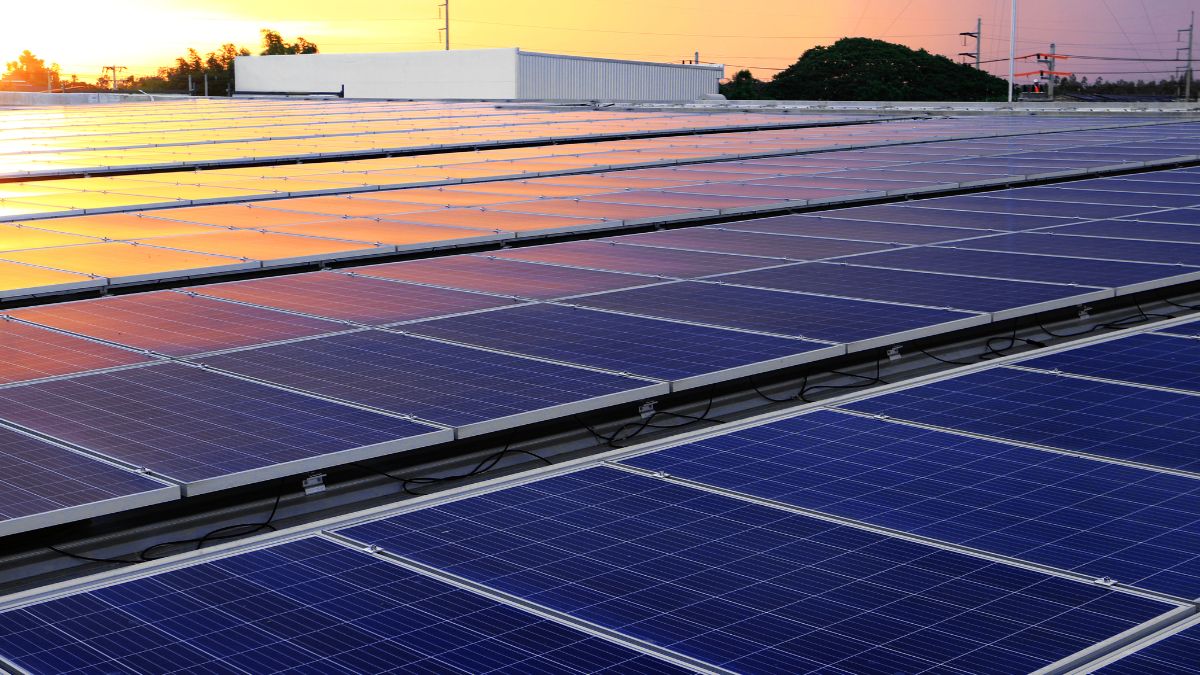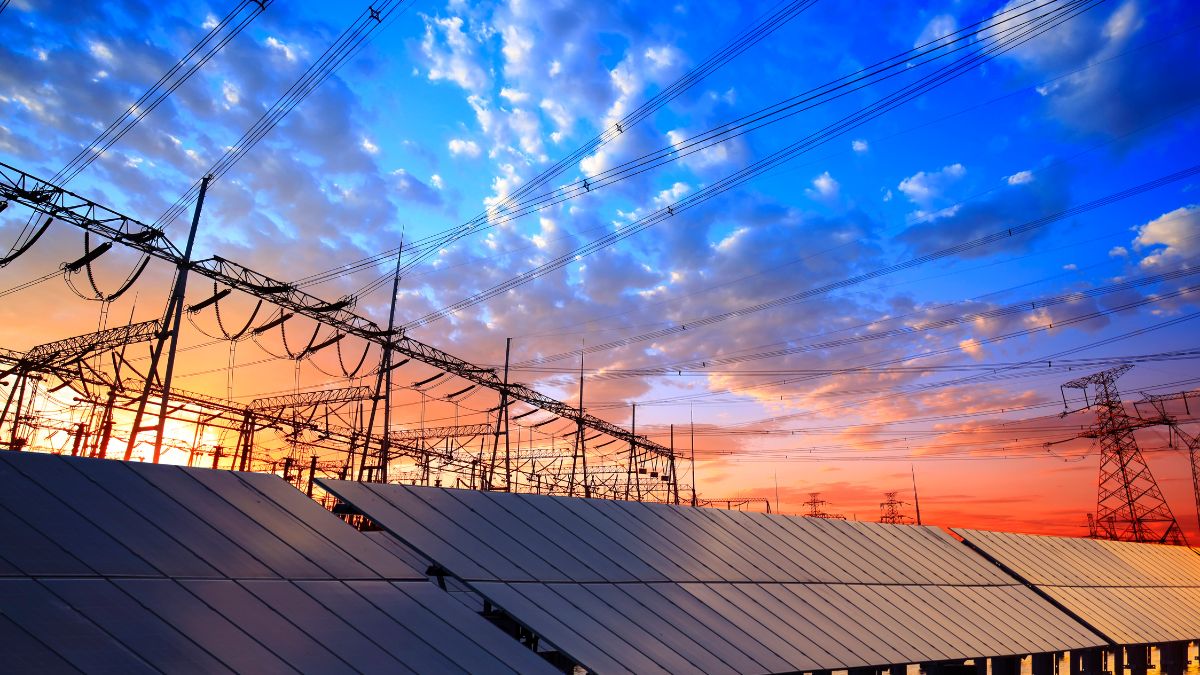
Electricity demand across Asia is rising quickly as artificial intelligence data centers, electric vehicles, and advanced manufacturing expand across the region. This rapid growth is putting heavy pressure on power grids that were originally built for steady electricity from coal and gas plants. As more solar and wind energy is added, grid operators are facing new challenges because renewable power is variable and does not naturally provide the same stability as traditional power stations.
To solve this problem, utilities are increasingly adopting grid-forming inverters. Unlike conventional inverters that depend on a strong grid signal to operate, grid-forming inverters can independently control voltage and frequency. In simple terms, they can “lead” the grid instead of just following it. This feature is becoming more important as fossil fuel plants, which once stabilized the grid using heavy rotating turbines, are gradually being retired.
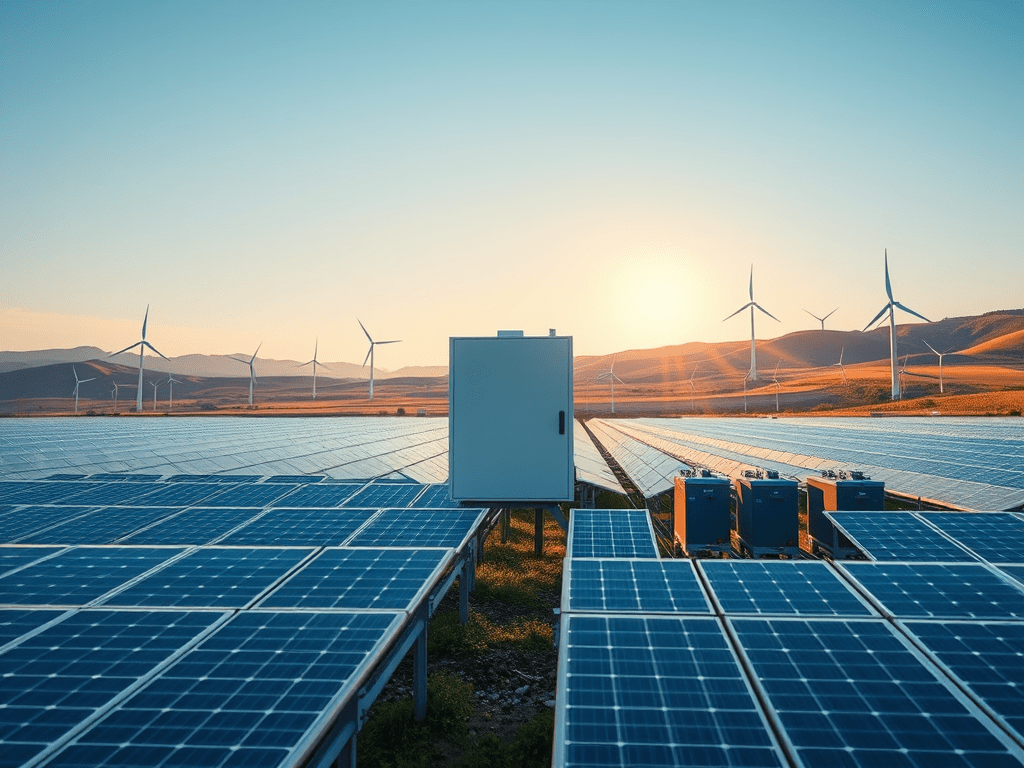
Industry experts from companies such as Siemens Energy and GE Vernova say these advanced inverters allow renewable energy plants and battery storage systems to provide essential grid support. Instead of acting only as additional power sources, solar farms and storage facilities can now function as the backbone of the electricity system.
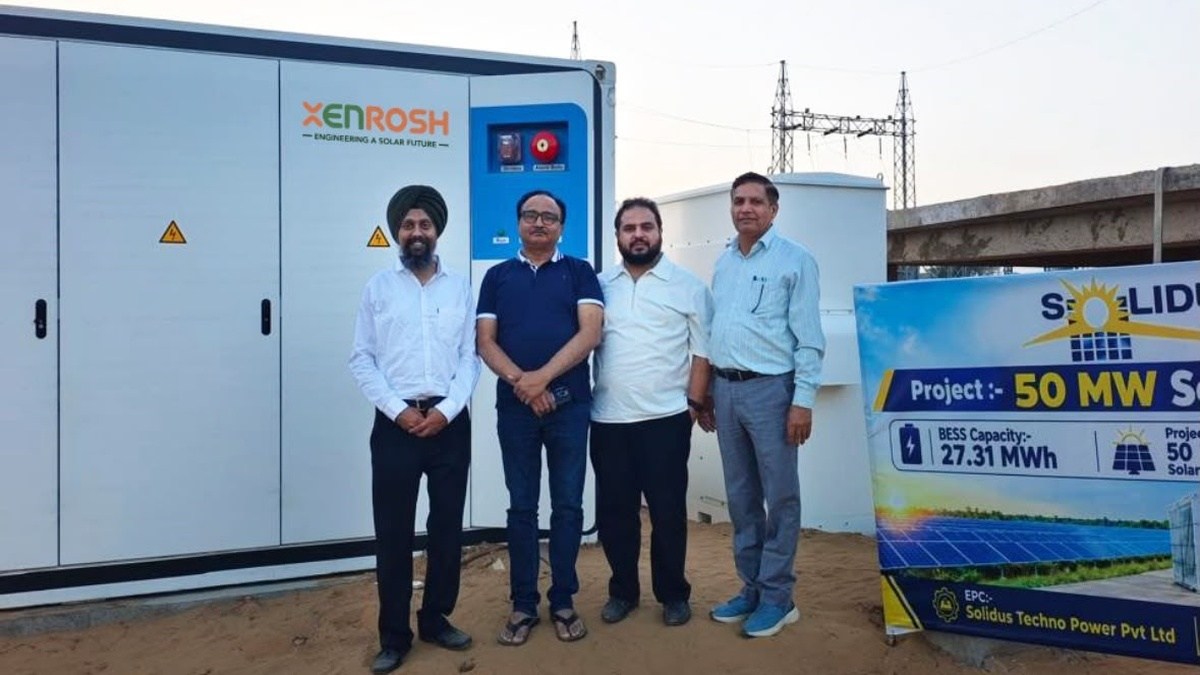
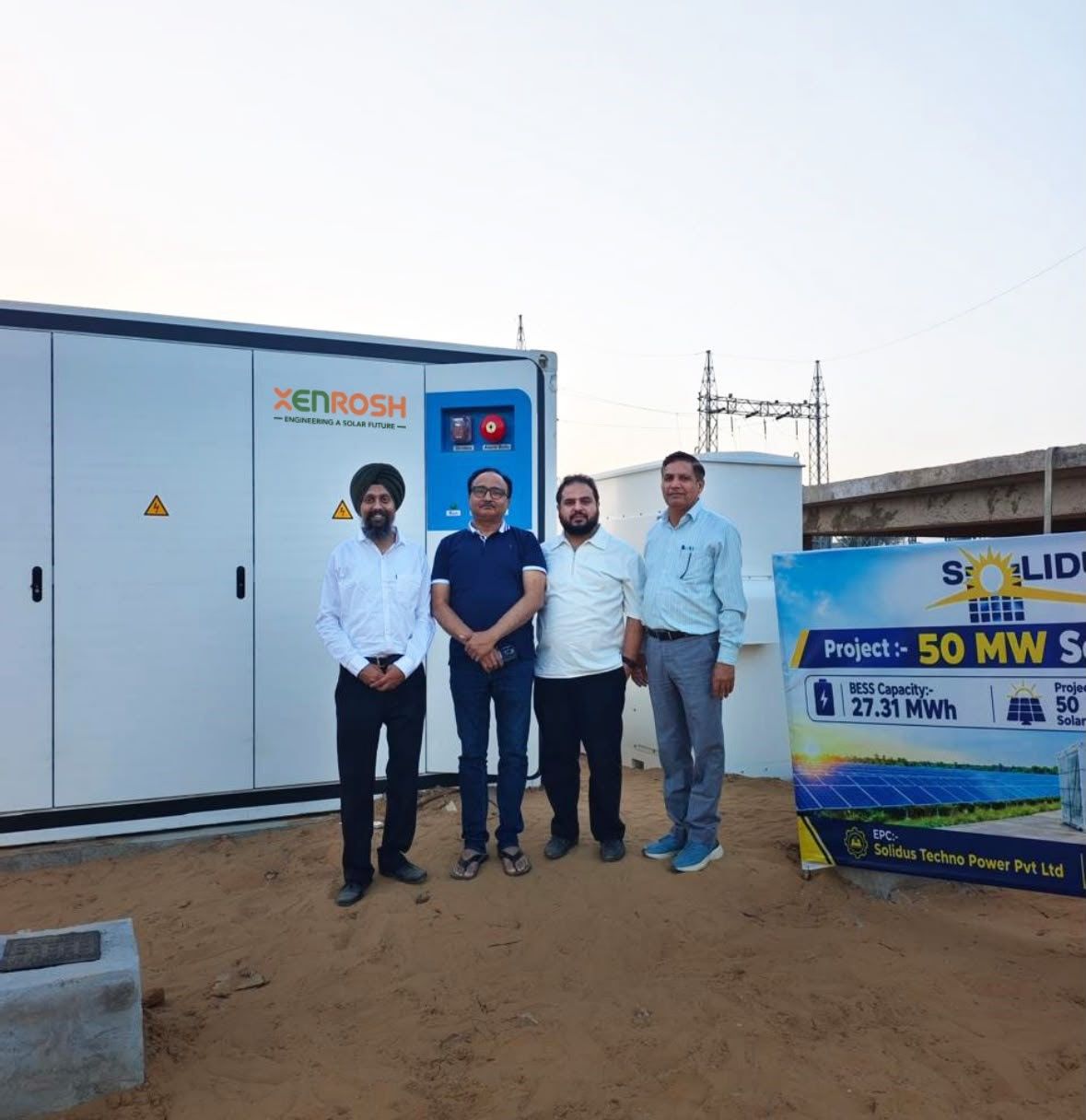
The urgency for this shift is also linked to infrastructure delays. Building new transmission lines and substations can take many years due to land acquisition issues and regulatory approvals. In many parts of Asia, this process can stretch beyond a decade. As a result, utilities are focusing on improving the performance of existing networks. Grid-forming inverters are being deployed in large-scale battery storage projects and renewable installations to manage heavy industrial loads and prevent sudden disruptions.
These inverters also offer black-start capability, meaning they can help restart the grid after a complete blackout without relying on conventional power plants. In addition, they support the development of microgrids that can operate independently if the main grid fails. This is especially important for industries such as semiconductor manufacturing, where even a brief power interruption can cause major financial losses.
Despite the benefits, the transition is not simple. Many existing grids were not designed for inverter-based systems, so significant upgrades are required. Utilities must invest in new digital control platforms to manage real-time interactions between renewable plants, storage systems, and conventional sources. Operators also face a learning curve in understanding and managing these advanced technologies. Initial costs can be higher compared to traditional solutions.
Experts believe that while grid-forming technology cannot replace the need for expanding physical infrastructure, it plays a critical role in supporting Asia’s clean energy transition. Without faster adoption of such solutions, the region could face higher electricity prices and a greater risk of blackouts. As Asia continues to pursue decarbonization and economic growth, grid-forming inverters are becoming an essential part of building a stable and reliable power system.