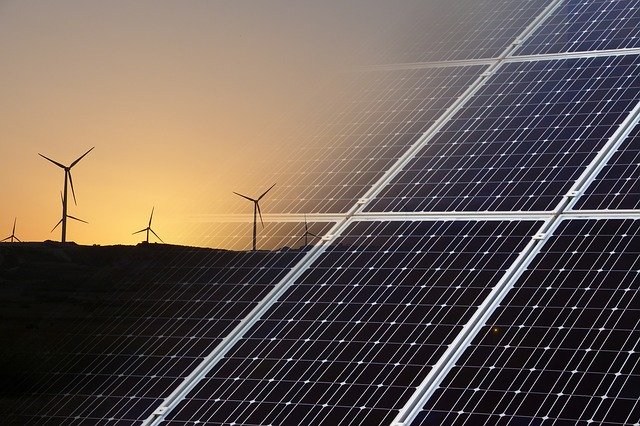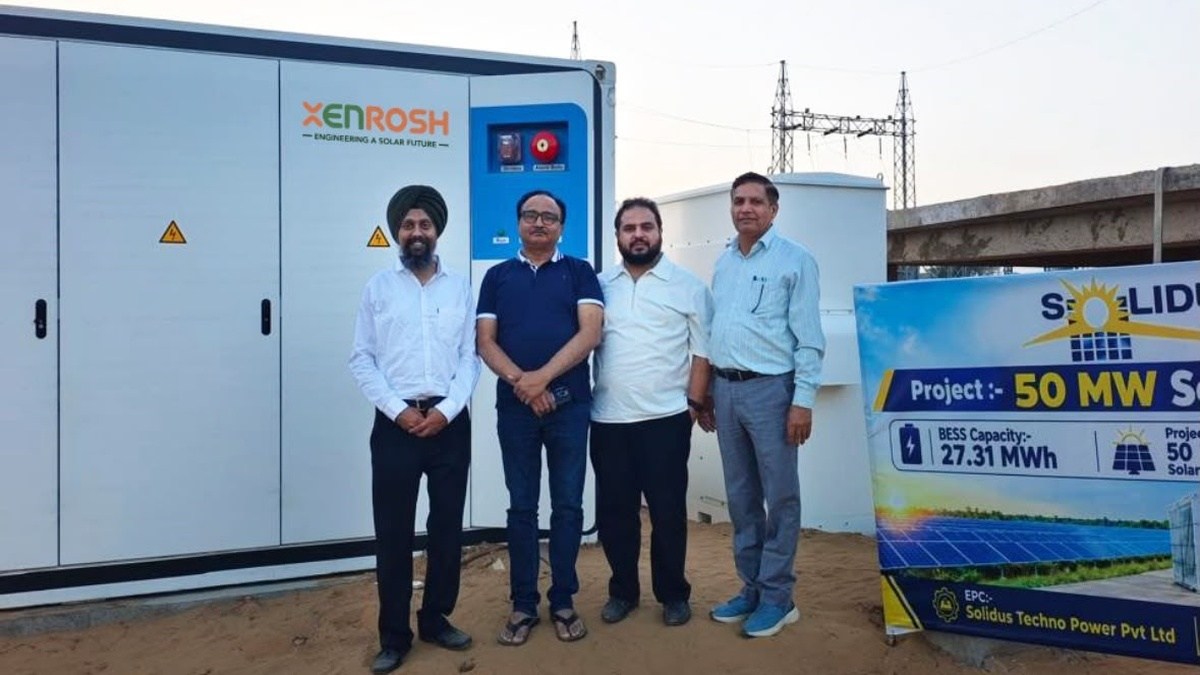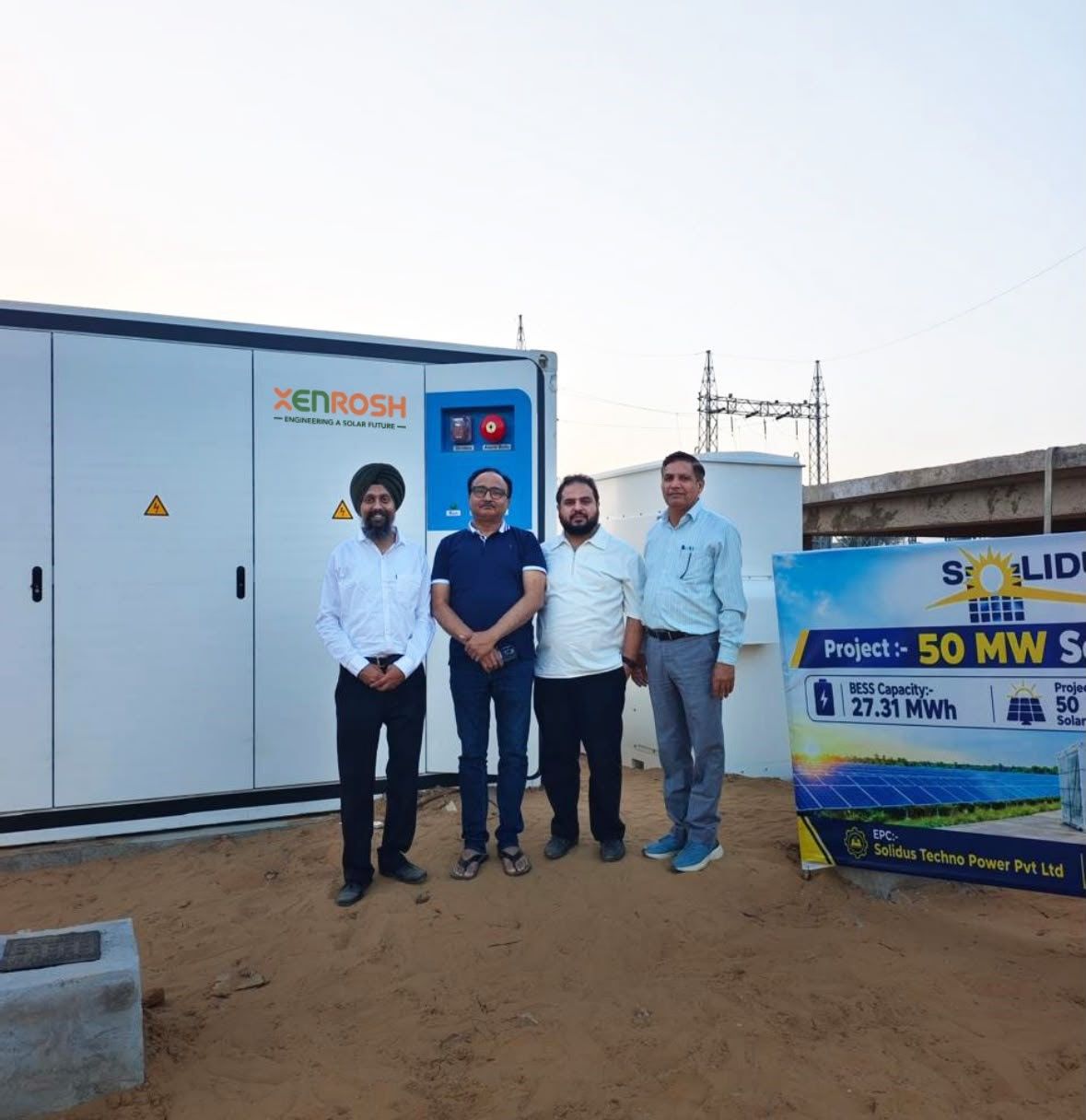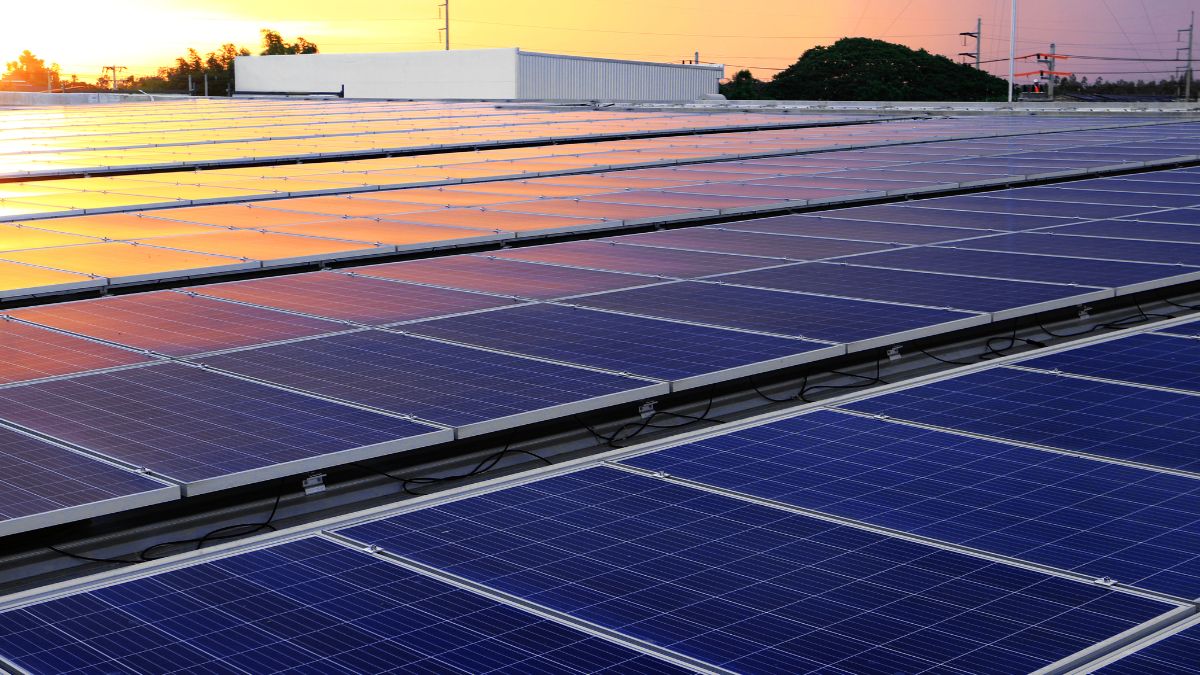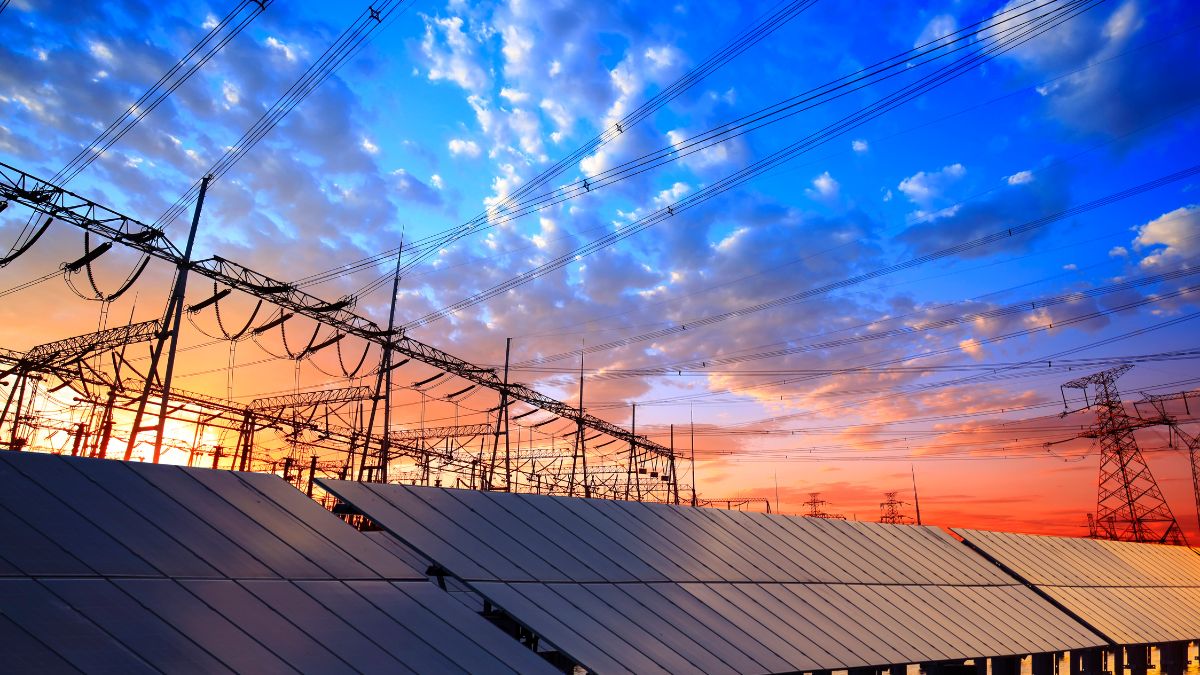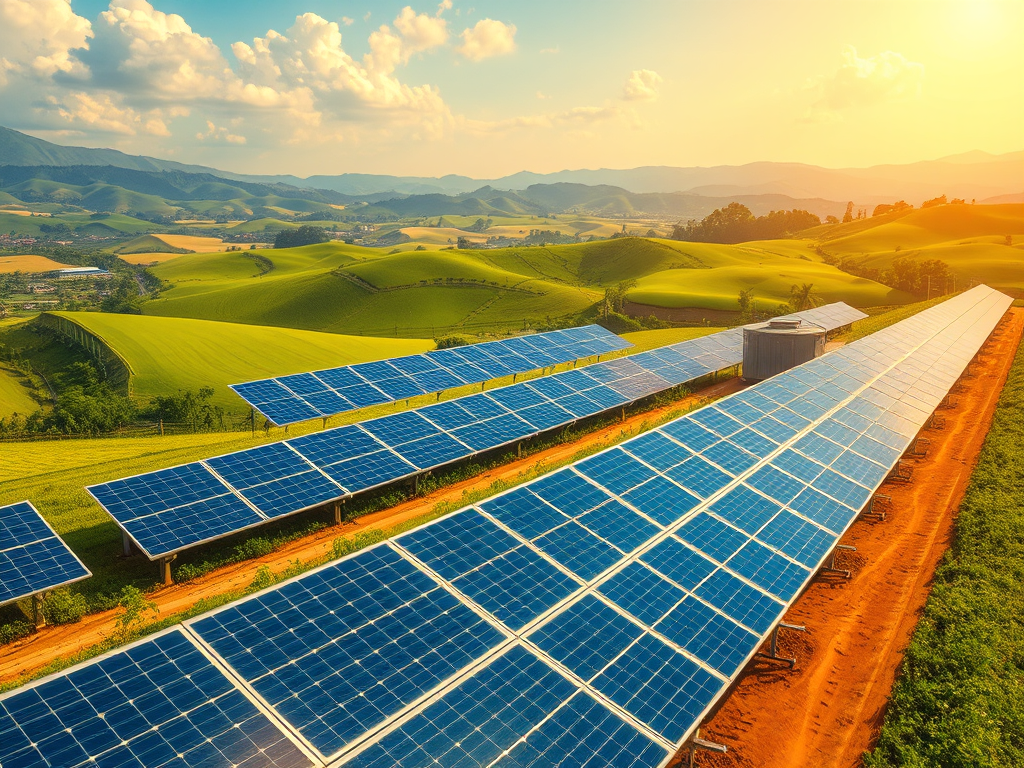
Malaysia is rapidly expanding its solar energy production as falling battery storage costs reshape the country’s renewable energy landscape. Leading solar companies are increasing output to meet rising domestic and regional demand, supported by a sharp drop in the cost of Battery Energy Storage Systems (BESS), which were previously the most expensive part of renewable energy projects.
Industry reports indicate that industrial-scale battery prices have declined to levels that make solar power more practical as a round-the-clock energy source. In the past, solar energy projects in Malaysia faced challenges due to their dependence on sunlight. Power generation was limited to daytime hours, making it difficult to compete with gas and coal-fired plants that can supply electricity continuously. With more affordable battery storage, developers can now store excess electricity generated during the day and release it during peak evening demand. This shift is allowing solar projects to provide a more stable and reliable supply of power.
Government policy has played a key role in supporting this growth. Under the National Energy Transition Roadmap, Malaysia has outlined a clear plan to accelerate clean energy development and reduce carbon emissions. The integration of lower-cost storage solutions is enabling solar companies to offer more predictable pricing to corporate buyers and the national utility. This is particularly important for multinational companies operating in Malaysia that have committed to net-zero targets and require consistent access to green electricity.
The expansion of solar-plus-storage projects is also strengthening Malaysia’s to become a regional renewable energy hub. As battery costs decline, the country is better positioned to export surplus renewable electricity to neighboring nations through the ASEAN Power Grid initiative. This regional cooperation aims to improve energy connectivity and support clean power trade across Southeast Asia.
Local manufacturers and engineering firms are benefiting as well, with increased activity in the construction of large-scale solar farms and hybrid storage facilities. Experts believe that this trend is likely to continue as global supply chains for lithium and other key battery materials stabilize and technology advances further.
For Malaysia, the growth of solar-plus-storage projects not only supports national climate goals but also improves energy security by reducing reliance on imported fossil fuels. With abundant sunlight and more affordable battery systems, the country’s solar sector is entering a new phase of expansion and competitiveness.
Subscribe to get the latest posts sent to your email.