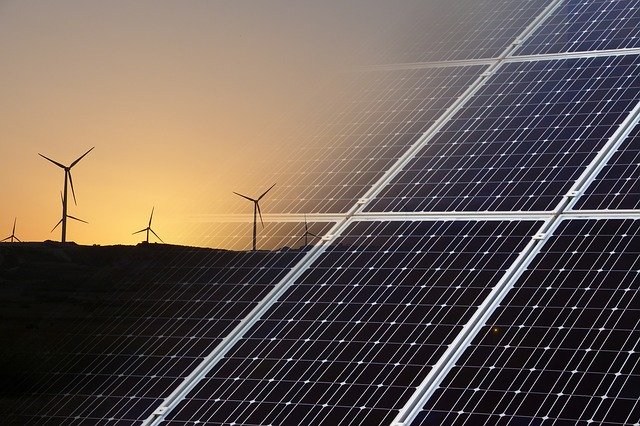
The Philippines is moving steadily toward a cleaner energy future, with its Renewable Energy Certificate (REC) market expected to more than double in value over the next decade. A recent industry report shows that the market was valued at $174.93 million in 2024 and is projected to reach $387.45 million by 2032. This growth reflects a compound annual growth rate of 9.8 percent, showing strong investor confidence in the country’s renewable energy sector.
The expansion of the REC market is closely linked to the government’s clean energy targets. The Department of Energy has set a goal for renewable energy to make up 35 percent of the country’s power generation mix by 2030 and 50 percent by 2040. To achieve this, the government introduced the Renewable Portfolio Standards, which require electricity suppliers to source a fixed share of their power from renewable sources. Renewable Energy Certificates serve as proof that electricity has been generated from clean sources and allow companies to meet these compliance requirements through trading.
Luzon leads the REC market with a 55 percent share, supported by a large number of solar and wind projects and strong industrial demand. The Visayas region accounts for 25 percent, mainly driven by geothermal and solar energy projects. Mindanao contributes 20 percent, supported by hydropower facilities and growing solar developments. The country’s natural advantages, including geothermal resources from its volcanic landscape and high solar potential, provide a solid foundation for continued growth.
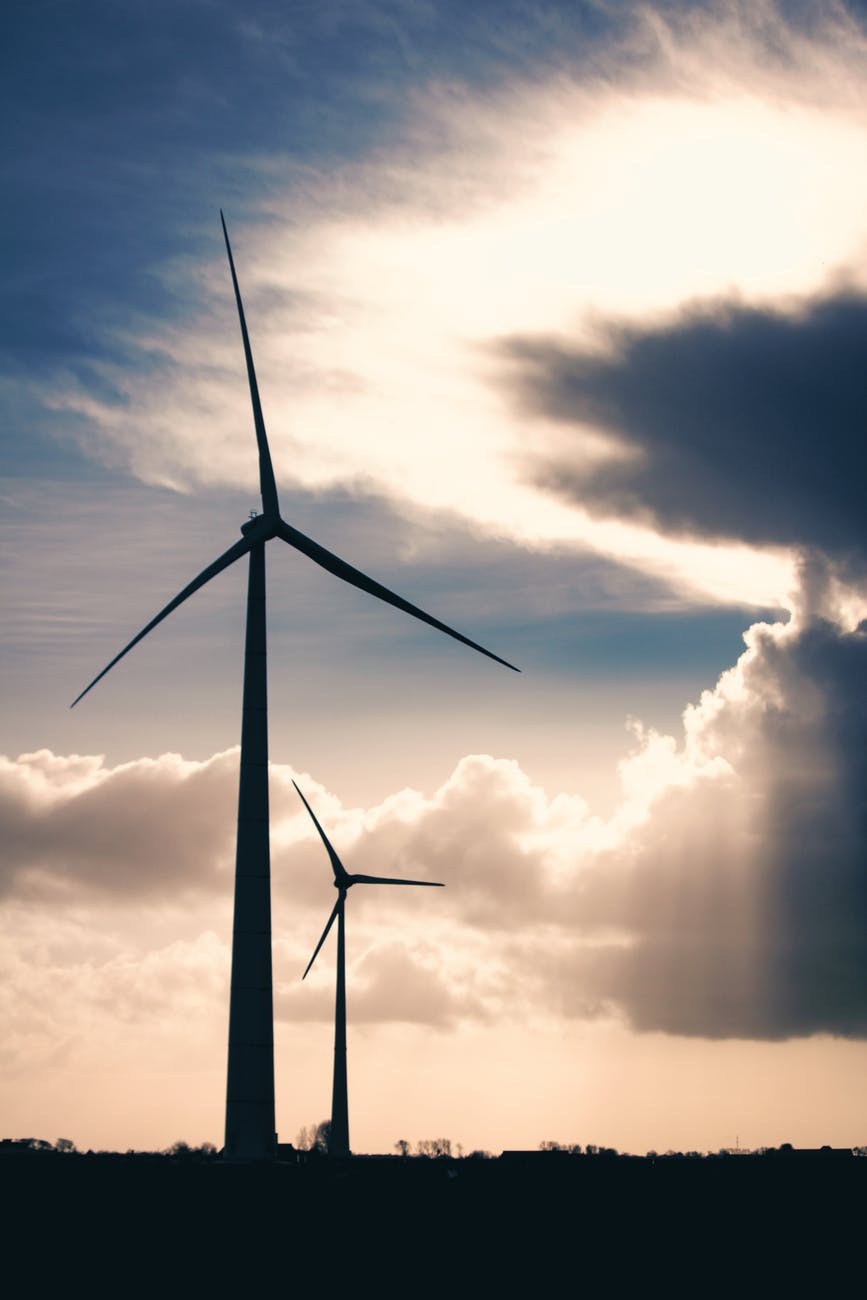
Investment activity has also accelerated. By the end of 2024, the government had granted “green lane” status to 176 energy projects, including 141 renewable energy ventures worth about $70 billion. Major milestones include the commissioning of the Laguna Wind Project and capacity expansions by First Gen Corporation. These developments increase the supply of renewable power and expand the availability of RECs for businesses aiming to meet sustainability commitments.
The REC market is divided between international and domestic certifications. International RECs, or I-RECs, hold around 70 percent of the market because they are widely recognized by multinational companies. Domestic TIGR certificates account for the remaining 30 percent. Solar energy leads in certificate issuance, making up 45 percent of the total, followed by wind and hydropower.
Despite strong growth, some challenges remain. Industry experts highlight the need for clearer regulatory guidelines and a fully centralized trading platform. Uncertainty around enforcement and pricing can slow investor decisions. However, the Independent Electricity Market Operator of the Philippines, along with the Department of Energy, is working to improve market systems and transparency.
As digital trading platforms expand and corporate demand for carbon neutrality rises, the REC market is expected to become more efficient and accessible. For the Philippines, this growth is an important step toward energy security and lower carbon emissions.
Subscribe to get the latest posts sent to your email.