(Bloomberg) – A deepening energy crunch across Asia is impacting all corners of the oil market, with suppliers of everything from shipping fuel to cooking gas beginning to cut back on sales in order to manage shrinking stockpiles.
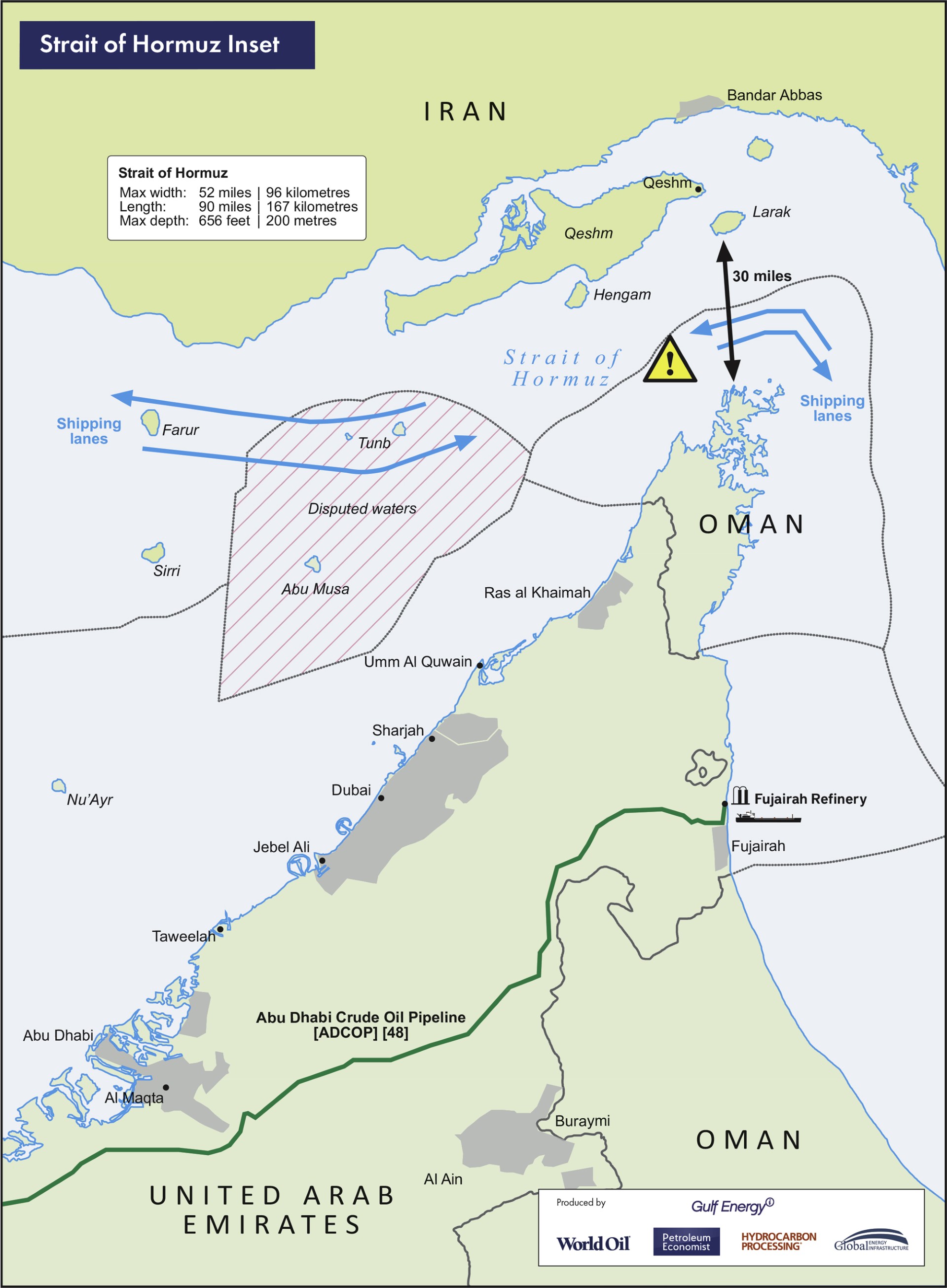
A widening conflict in the Persian Gulf, which began at the weekend after U.S. and Israeli strikes on Iran, has upended the energy trade by all but halting traffic through the Strait of Hormuz, the narrow waterway that connects some of the world’s most important energy producers to their consuming markets.
The impact has been swift, even for wealthy markets with extensive storage. Shipping fuel suppliers in Singapore, the world’s top bunkering port, have informed customers that they will fulfill only part of agreed orders, citing lower volumes received from their own suppliers, according to people with knowledge of the matter. They asked not to be identified as the discussions are not public.
China has told its largest refiners to suspend exports of diesel and gasoline, asking them to refrain from signing new contracts and to cancel already-agreed shipments. The world’s top oil importer is only Asia’s third fuel exporter, but the the move reflects a race across the region to make domestic demand a priority.
In South Korea, petrochemical producer Yeochun NCC declared force majeure on some of its sales due to disruptions in the arrival of naphtha feedstock.
Governments, meanwhile, are grappling with dwindling supplies of liquefied petroleum gas used in cooking, given disrupted deliveries from the Middle East, a key source of fuel for Asia. India, one of the most affected markets, is in talks with producers. Still, with U.S. cargoes too distant, there are few alternatives to replace lost volumes, meaning some countries could be forced to impose a form of rationing.
Others are already considering tapping official stockpiles. In Japan, which gets 90% of its crude from the Middle East, oil refiners are asking the government to release crude from the nation’s strategic petroleum reserves.
Another concern for many economies and consumers in Asia is simply cost, as the scramble for cargoes has bid up everything from jet fuel to marine gasoil and sent prices to eye-watching levels. A methodology adjustment in the physical oil-pricing mechanism run by Platts, a unit of S&P Global Energy, has further underscored a surge that will hurt importing nations and consumers.
Faced with these painfully high oil and fuel prices, Bangladesh is already preparing to reduce deliveries to petrol pumps and — among other measures — has asked citizens to avoid unnecessary private trips.