A drone strike hit oil infrastructure in Bahrain’s Ma’ameer industrial area, according to multiple early reports Thursday morning, raising concerns about the vulnerability of Gulf refining assets as regional tensions escalate.
The Ma’ameer area is home to infrastructure connected to BAPCO’s refining operations. While full details remain limited, early reports indicate an Iranian ballistic missile attack targeted energy infrastructure in the industrial zone rather than upstream production.
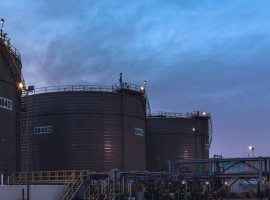
Authorities have not yet released a full damage assessment, although reports mention several large fires at Bahrain Petroleum Company’s primary refinery. It remains unclear whether refinery operations have been disrupted.
Editors’ Update: Bahrain’s BAPCO confirms a strike on its 405k b/d Sitra refinery; no casualties were confirmed. BAPCO claims that the refinery is still operational and that the fire has been contained.
Energy markets reacted quickly to the reports, with refining margins widening as traders moved to price in the risk of supply disruptions. Crack spreads—an indicator of refinery profitability that measures the price difference between crude oil and refined products such as gasoline and diesel—have been climbing as markets begin to focus on refining capacity as a potential pressure point.
Diesel margins, tracked by the ICE gasoil crack spread against Brent, widened as traders priced in potential refinery disruptions in the Gulf. ICE low-sulfur gasoil futures surged more than $100 per metric ton in early trading, far outpacing gains in Brent crude, which rose only a few dollars per barrel as traders brace for potential disruptions to diesel and jet fuel supply.
In recent days, attacks and threats against energy infrastructure across the Gulf have increasingly shifted attention away from crude production and toward the refining system that turns crude into usable fuels.
Global crude supply is typically buffered by inventories and spare production capacity, allowing markets time to adjust to supply losses. Refining capacity, however, is far less flexible. Damage to a refinery can tighten product markets almost immediately, pushing up prices for gasoline, diesel, and jet fuel.
Bahrain’s refining sector may be modest compared with those of Saudi Arabia or the United Arab Emirates, but it remains an important hub for refined fuel supply in the Gulf. The country has also spent years expanding and upgrading its refining system, increasing its role in producing diesel and other products for export.
Traders are now watching closely for confirmation of operational disruptions. Depending on the extent of the damage, the incident could further tighten already stressed product markets and add another layer of volatility to global energy prices.
By Julianne Geiger for Oilprice.com
More Top Reads From Oilprice.com
- Dozens of Asia-Flagged Oil Tankers Stranded near Strait of Hormuz
- China Halts Fuel Exports Amid Global Market Squeeze
- LNG Shipping Rates Soar 650% to $300,000 Per Day