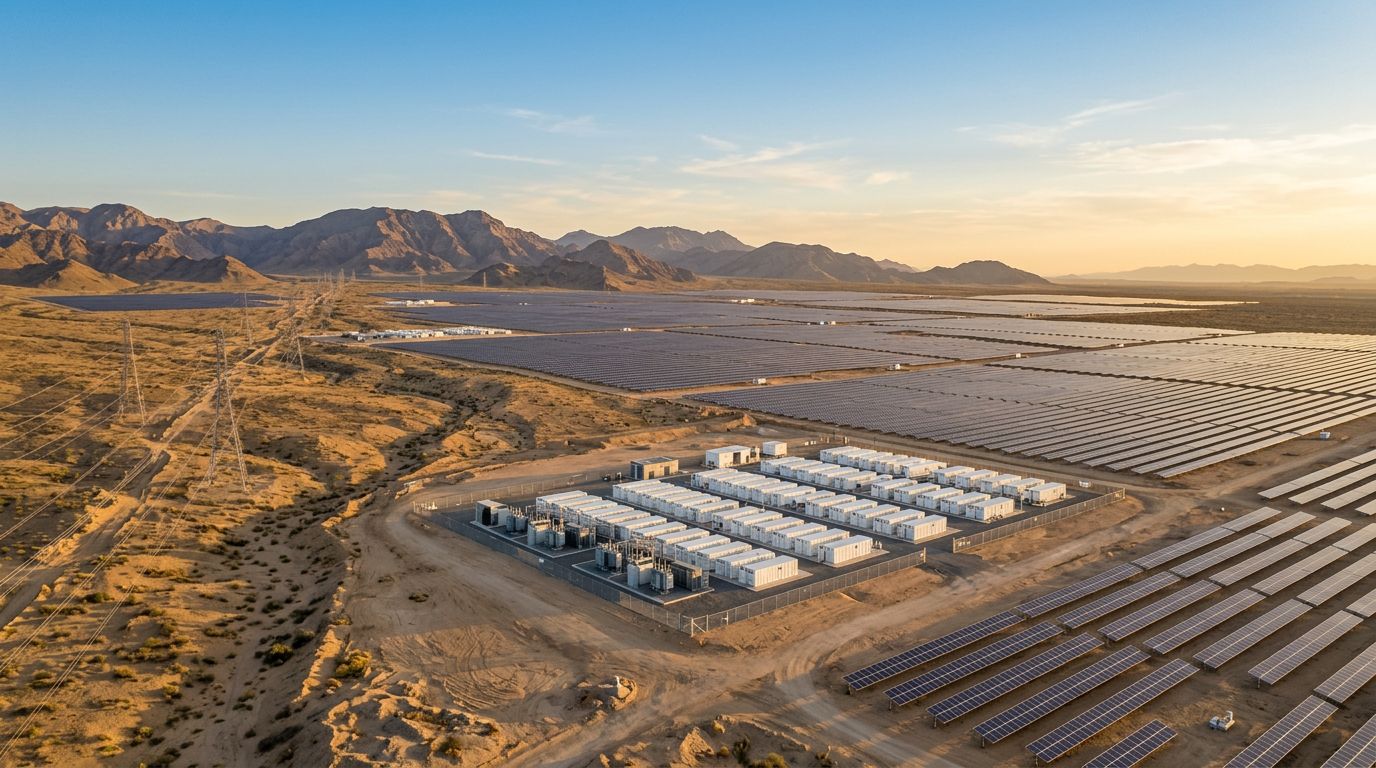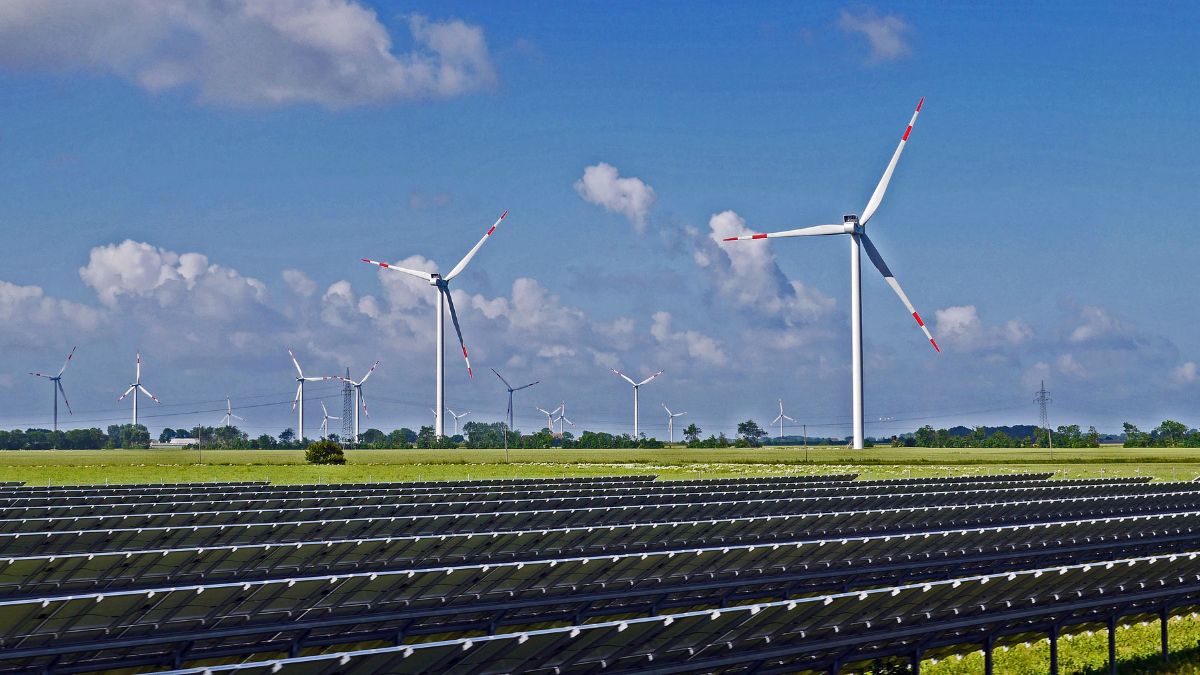
The rapid growth of renewable energy is changing the way power systems operate around the world, and countries in the Gulf region are also experiencing this transformation. As solar and wind power projects expand quickly, experts say that power grids must also adapt to maintain stability and reliability. According to specialists at CESI, the increasing share of renewable energy requires new approaches to manage grid operations effectively.
In traditional power systems, electricity was mainly generated by large thermal power plants that used synchronous generators. These generators naturally provided inertia, a feature that helped keep the grid’s frequency and voltage stable even when there were sudden changes in electricity supply or demand. However, renewable energy sources such as solar and wind operate differently. They rely on inverter-based technology and their output can vary depending on weather conditions. As a result, when these renewable sources make up a larger share of electricity generation, the grid loses some of the natural stability that conventional plants once provided.
This shift has made real-time grid management more complicated. Grid operators now need additional tools and services to ensure that electricity systems remain stable at all times. These tools are known as ancillary services. They play an important role in supporting the grid and helping it respond quickly to changes in power supply or .
Ancillary services include functions such as frequency containment, fast response reserves, voltage control, and black-start capability, which allows the system to restart after a major blackout. In the past, these services were often considered secondary support for the grid. However, as renewable energy capacity continues to grow and electricity demand rises sharply during peak seasons in the Gulf region, these services are becoming essential for maintaining a secure power supply.
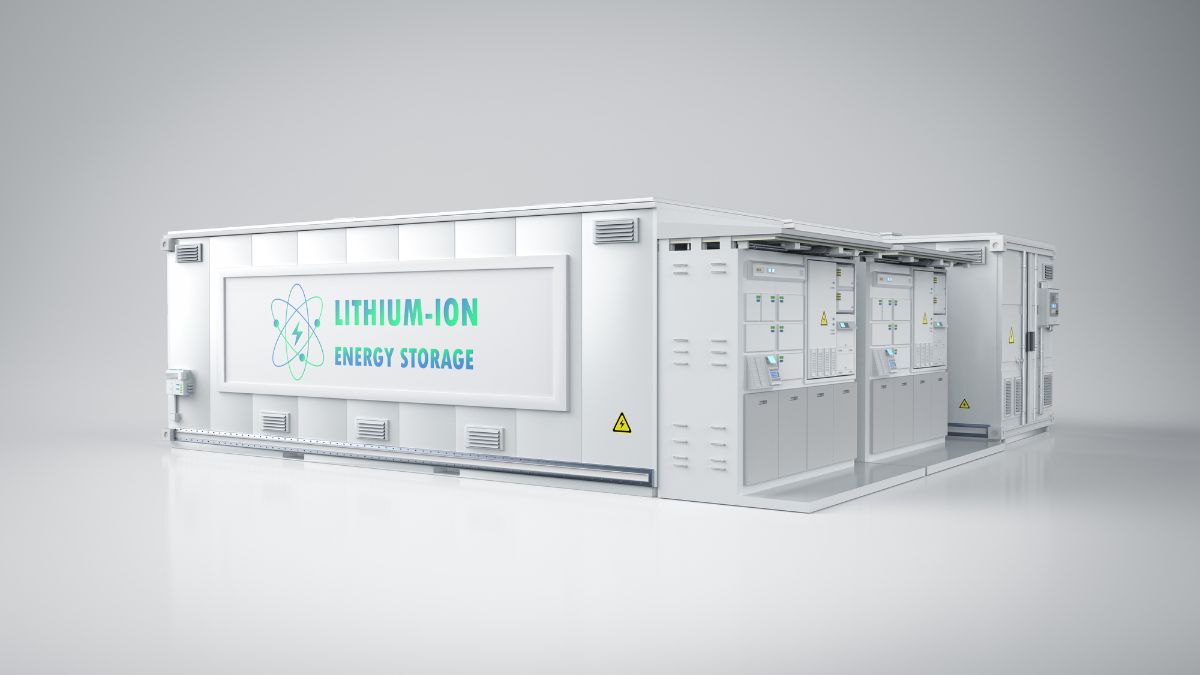
Energy experts and utilities are now exploring new technologies to provide these services more efficiently. High-capacity battery energy storage systems, demand response programs, and advanced inverter technologies are emerging as key solutions. These technologies can respond quickly to fluctuations in electricity generation and demand, helping stabilize the grid.
CESI has been working closely with utilities and system operators across the Gulf region to support this transition. The company conducts technical studies and operational assessments to help power systems integrate renewable energy safely and efficiently. These studies evaluate grid stability and identify the flexibility resources needed to support future energy systems.
Experts say that building more renewable power plants alone will not guarantee a reliable energy system. Gulf countries must also create clear and transparent mechanisms to procure and manage ancillary services. By strengthening grid management systems and improving compliance processes alongside renewable expansion, the region can develop a more resilient and cost-effective electricity network while continuing its transition toward a cleaner energy future.
Subscribe to get the latest posts sent to your email.