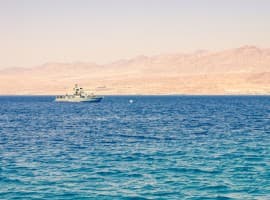
Vessel traffic through the Strait of Hormuz has dropped from an average of 138 ships a day to just two in the 24 hours to Thursday, the Joint Maritime Information Center has reported.
The center noted that neither of the two vessels that passed the strait were tankers.
“This represents a near-total temporary pause in routine commercial traffic, resulting from ongoing regional conflict dynamics involving Iran, including warnings against transits by U.S., Israeli, European, and allied vessels,” the JMIC noted in its report.
The agency has estimated the regional maritime risk environment as critical, extending this assessment over the next 48 hours, “with no confirmed indicators of de-escalation.” Noting that there has been no formal declaration for the closure of the Strait of Hormuz, the environment is fraught with so many threats, traffic has slowed to a trickle.
While there has been a debate among observers of the war in the Middle East whether it would be accurate to call the Strait of Hormuz closed or not, the fact remains that ship traffic has been severely disrupted. Of course, the disruption has been especially palpable in oil and gas traffic, as the strait handles about a fifth of global oil trade.
Related: Magnet Wars: How the U.S. Plans to Break China’s Grip on Rare Earths
There are several dozen tankers stranded near Hormuz, some have become the target of attacks, and insurers have pulled war insurance, contributing to the paralysis of energy trade in the world’s biggest oil-producing region. Announcements by the U.S. president that the federal government would step in to provide insurance coverage have yet to have an effect.
President Trump also said the U.S. Navy would escort tankers in the strait earlier this week but soon after took it back, after the Navy itself said there was “no chance” of such escorts, per a Lloyd’s List report.
The situation prompted the U.S. to grant a sanction waiver on Indian buyers of crude, so they could absorb some Russian crude sitting on tankers in the waters of the coast of Asia.
By Irina Slav for Oilprice.com
More Top Reads From Oilprice.com
- Ecopetrol Eyes Oil Output Boost As Iran Crisis Pushes Up Prices
- Oil Set for 16% Weekly Gain on Middle East Disruption
- Qatar Leases Tankers as LNG Market Hits Crisis Mode