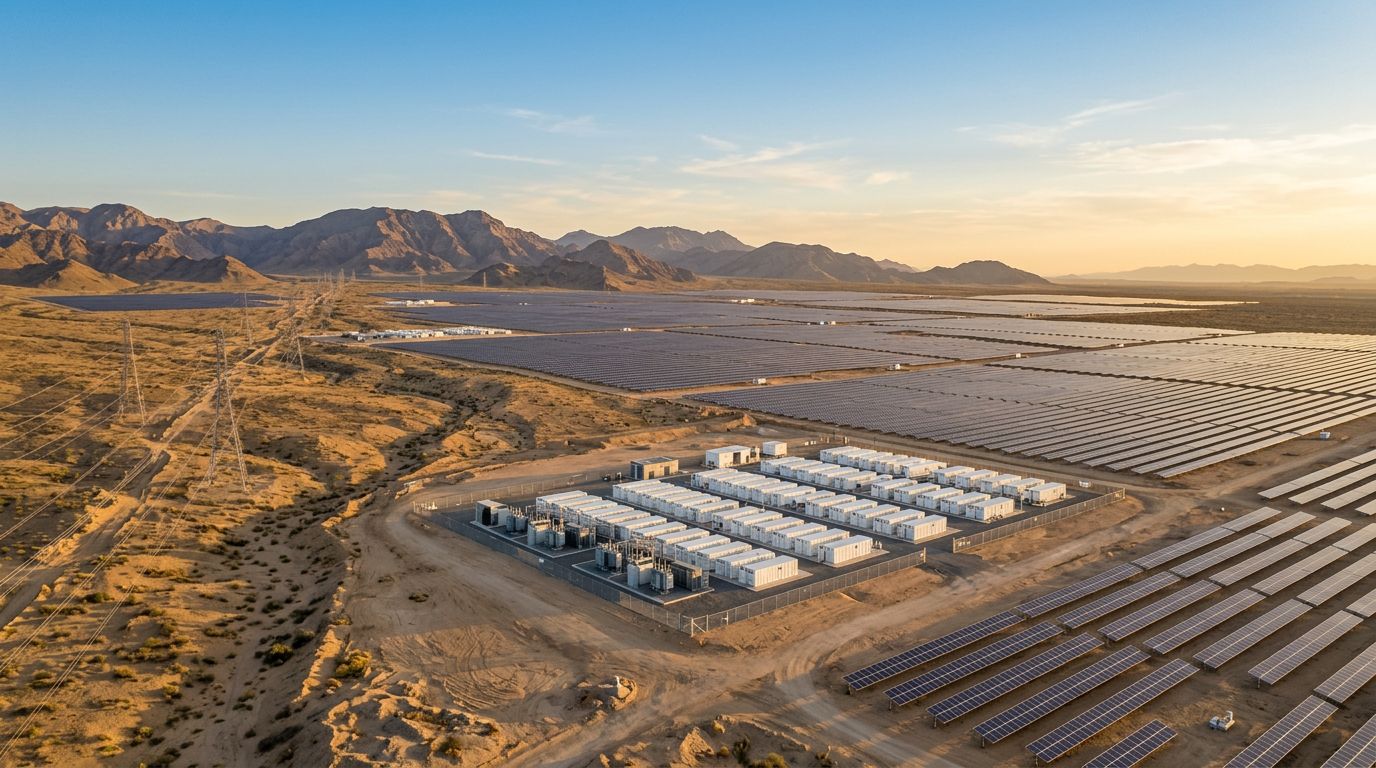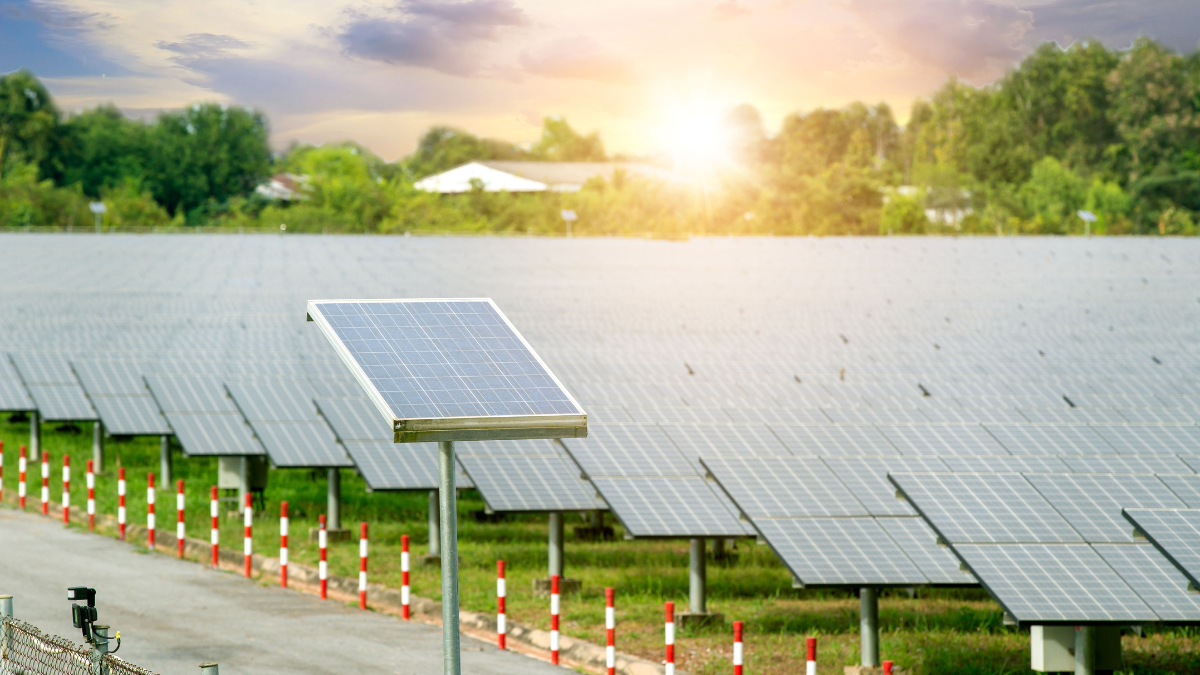
The American Clean Power Association (ACP) has released its Clean Power Quarterly Market Report for the fourth quarter of 2025, revealing that the United States clean energy sector achieved its strongest year on record. According to the report, the industry added a significant amount of new renewable energy capacity during the year, driven mainly by utility-scale solar, wind, and energy storage projects. In the fourth quarter alone, developers installed 18.6 gigawatts of new clean power capacity across these technologies. This surge in new projects pushed the total capacity installed in 2025 to more than 50 gigawatts. The electricity generated from these new installations is estimated to be enough to power more than 6.9 million homes across the United States.
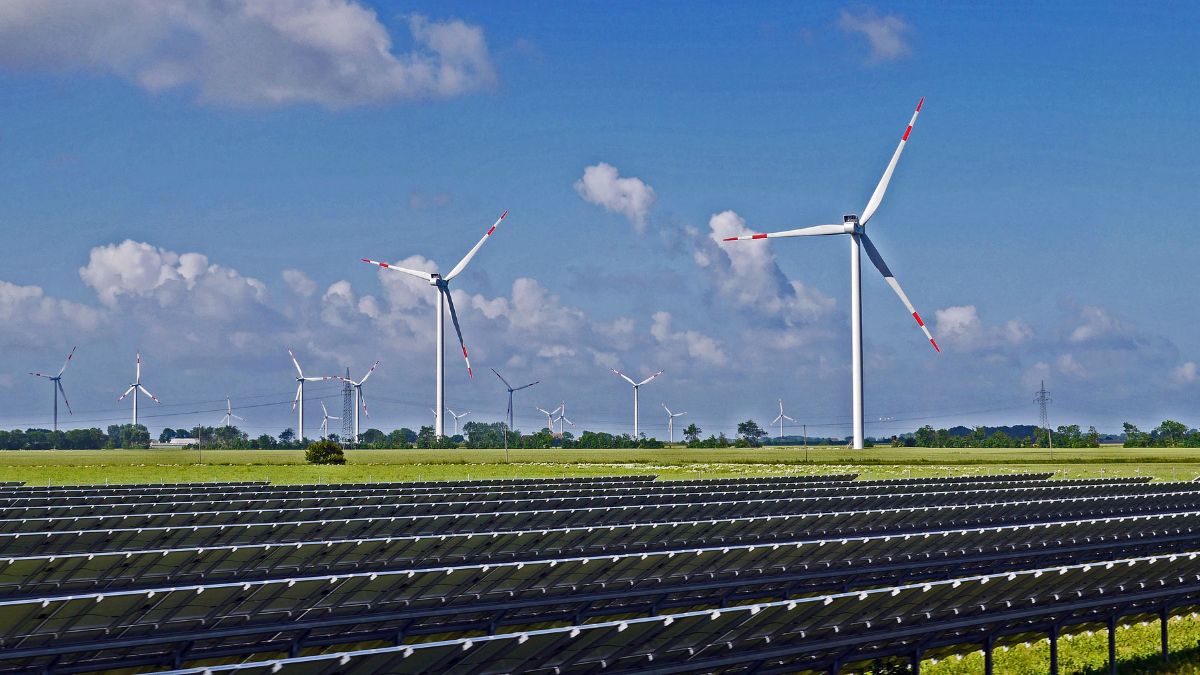
Solar, wind, and energy storage together played a dominant role in new electricity generation capacity added during the year. These three technologies accounted for approximately 90.5 percent of all new power capacity installed in the country during 2025. Over the past five years, they have consistently represented more than 80 percent of all new power capacity additions. These figures are based on data from the American Clean Power Association and the U.S. Energy Information Administration.
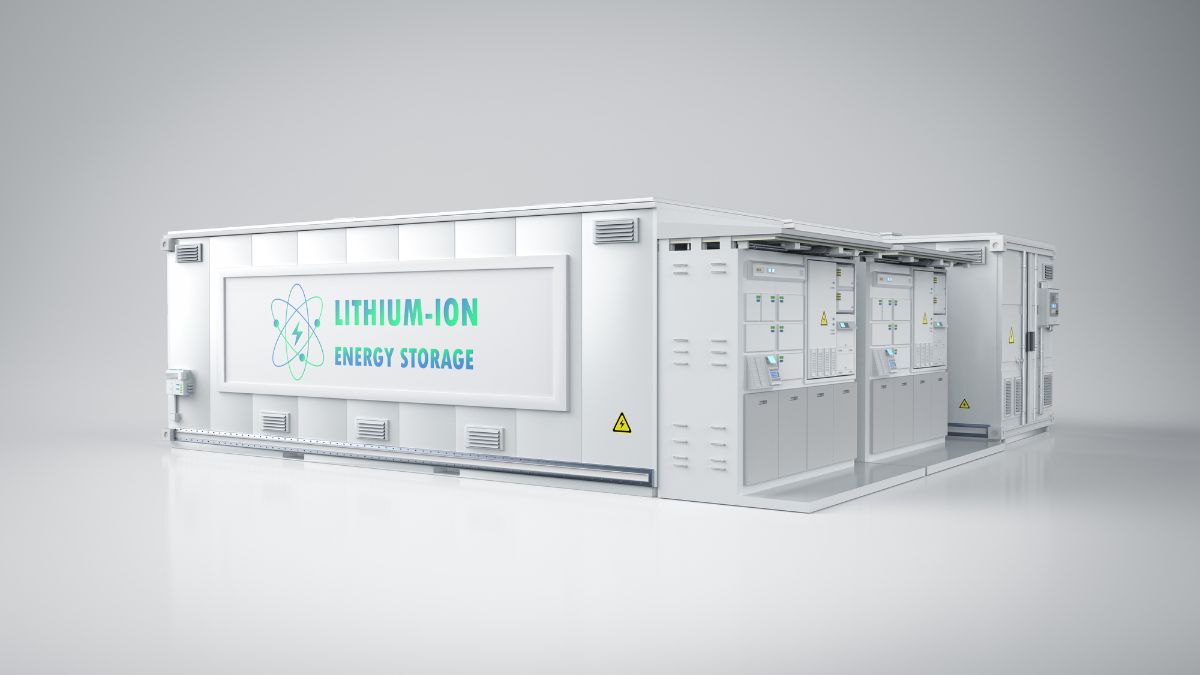
Among the technologies, battery storage recorded particularly strong growth. Energy storage deployments increased significantly compared with the previous year, exceeding 2024 installation levels by nearly 4 gigawatts. This represents a 41 percent year-over-year increase and highlights the growing importance of storage systems in supporting renewable energy integration and grid stability.
JC Sandberg, Chief Policy Officer at the American Clean Power Association, stated that the record-breaking year demonstrates the strength and resilience of the clean energy industry. According to him, the sector continues to provide reliable and affordable energy solutions to meet the country’s growing electricity needs. He also noted that the strong performance in 2025 was supported by a relatively stable market and policy environment that helped drive investments and project development leading up to the year.
Despite these positive results, the report indicates that the medium-term outlook for the industry remains uncertain. Although the near-term development pipeline continues to expand, the pace of growth is beginning to slow. The total project pipeline for clean power technologies now stands at more than 187.5 gigawatts. However, only about 2 gigawatts of new projects were added to the pipeline during the fourth quarter, suggesting that the growth rate may be stabilizing after several years of rapid expansion.
Another area of concern highlighted in the report is the decline in power purchase agreements, commonly known as PPAs. These agreements are a key indicator of future project development because they secure long-term buyers for electricity produced by renewable energy facilities. In 2025, PPA announcements declined by 27 percent compared with the previous year. This decline signals that clean power deployment may slow during the period between 2028 and 2030.
Although electricity demand in the United States is increasing rapidly, many potential buyers delayed signing new power purchase agreements during the second half of 2025. Much of this hesitation was linked to uncertainty surrounding federal policy decisions and the future eligibility of certain tax credit programs. These factors made some investors and companies cautious about committing to new long-term energy contracts.
Sandberg explained that growing policy uncertainty is beginning to affect investor confidence and project timelines. At a time when electricity demand is rising and energy costs continue to increase, slowing down the development of affordable clean energy could limit cost relief for households and businesses. However, he emphasized that there is still an opportunity to maintain the industry’s momentum. Clear and stable policies that support the development of multiple clean energy technologies could help sustain growth and build on the record achievements of 2025.
The report outlines several key findings about the clean power market during the year. Total clean power capacity installed in 2025 reached 50,344 megawatts, representing a 3 percent increase compared with 2024. This is the first time that annual clean power deployment in the United States has surpassed the 50 gigawatt mark, highlighting the continued expansion of the renewable energy sector.
Energy storage also experienced rapid growth during the year. Storage installations were 41 percent higher than those recorded in 2024, which had previously been the strongest year for storage deployment. The development pipeline for energy storage projects also continued to grow, increasing by about 2 percent year over year. This steady expansion suggests that demand for energy storage solutions will remain strong in the long term as the power system integrates more renewable energy.
However, the report also notes growing uncertainty in the medium-term project pipeline. Although the near-term pipeline increased to approximately 187,514 megawatts, the pace of expansion has slowed, with only two gigawatts of new capacity added during the final quarter of 2025. Combined with the significant drop in PPA announcements, this trend could indicate lower levels of new clean power development toward the end of the decade.
The offshore wind sector also faced challenges during the quarter. No new offshore wind capacity was commissioned in the fourth quarter of 2025, and the overall development pipeline shrank following the cancellation of several projects. According to the report, ongoing federal and regulatory issues have created additional obstacles for offshore wind developers, making it more difficult for projects to move forward. Despite these challenges, clean power continues to deliver significant economic and environmental benefits across the United States. Renewable energy projects are providing affordable electricity, creating jobs, and supporting local economic development in many regions. Clean power projects are now operational in all 50 U.S. states, demonstrating the nationwide impact of the industry.
The report also highlights that 19 states increased their clean power capacity by more than 20 percent during 2025. One notable example is Kentucky, which expanded its clean power capacity by 188 percent during the year. This growth allowed the state to enter the top ten states for solar installations in 2025. Looking ahead, clean energy expansion is expected to continue across the country. Currently, 35 states have more than one gigawatt of clean power capacity in their development pipelines. These upcoming projects indicate that renewable energy will remain an important part of the United States’ future power system.
Overall, the Clean Power Quarterly Market Report shows that 2025 was a landmark year for the U.S. clean energy industry. Record levels of solar, wind, and energy storage installations demonstrate the growing role of renewable energy in meeting electricity demand. At the same time, the report highlights the importance of stable policies and continued investment to ensure that this growth can continue in the years ahead.
Subscribe to get the latest posts sent to your email.