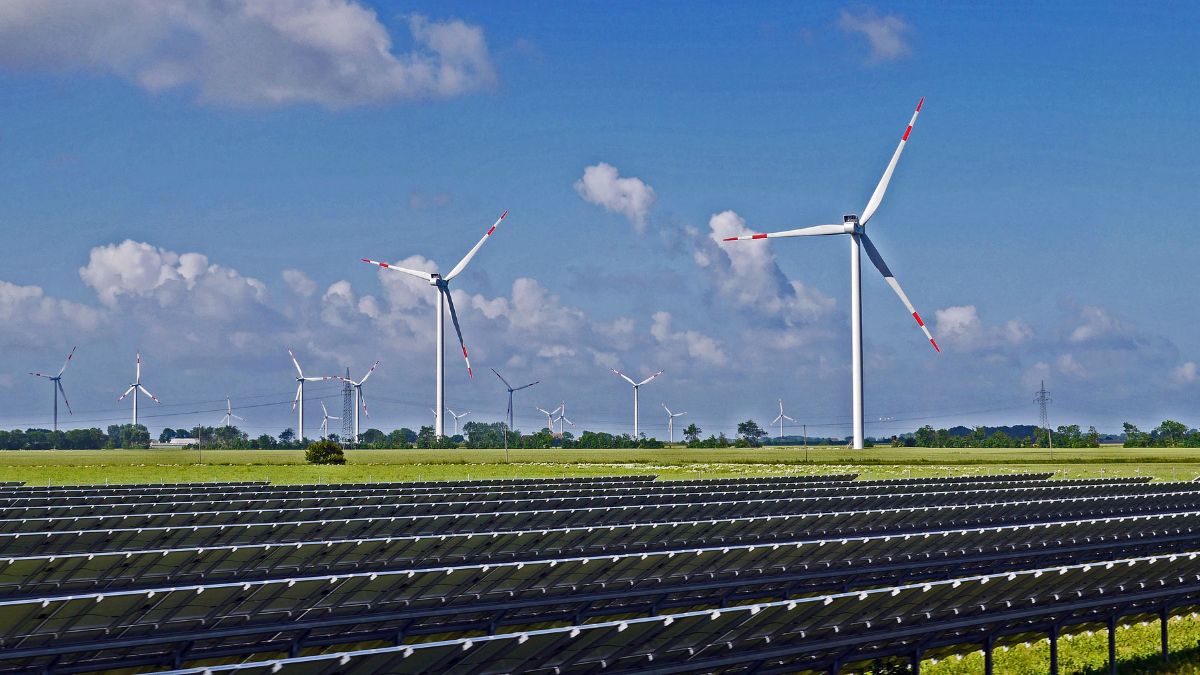
Solar panels, also called photovoltaic (PV) panels, are devices that convert sunlight into electricity. They are made up of many solar cells, usually made of silicon, which is a semiconductor material. When sunlight hits these cells, it excites electrons, creating an electric current. This electricity is in the form of direct current (DC).
Most homes and businesses use alternating current (AC), so a device called an inverter is used to convert DC electricity from solar panels into AC electricity. Solar panels work best when they receive direct sunlight, but they can still generate some electricity on cloudy days. The amount of energy produced depends on factors like the size of the solar panel system, the angle and orientation of panels, and the amount of sunlight received daily.
The Role of Batteries in Energy Storage
Solar energy is not always used at the time it is produced. For example, solar panels generate electricity during the day, but households often need more power in the evening. This is where batteries come in. Batteries store the excess electricity produced by solar panels so it can be used later when sunlight is not available.
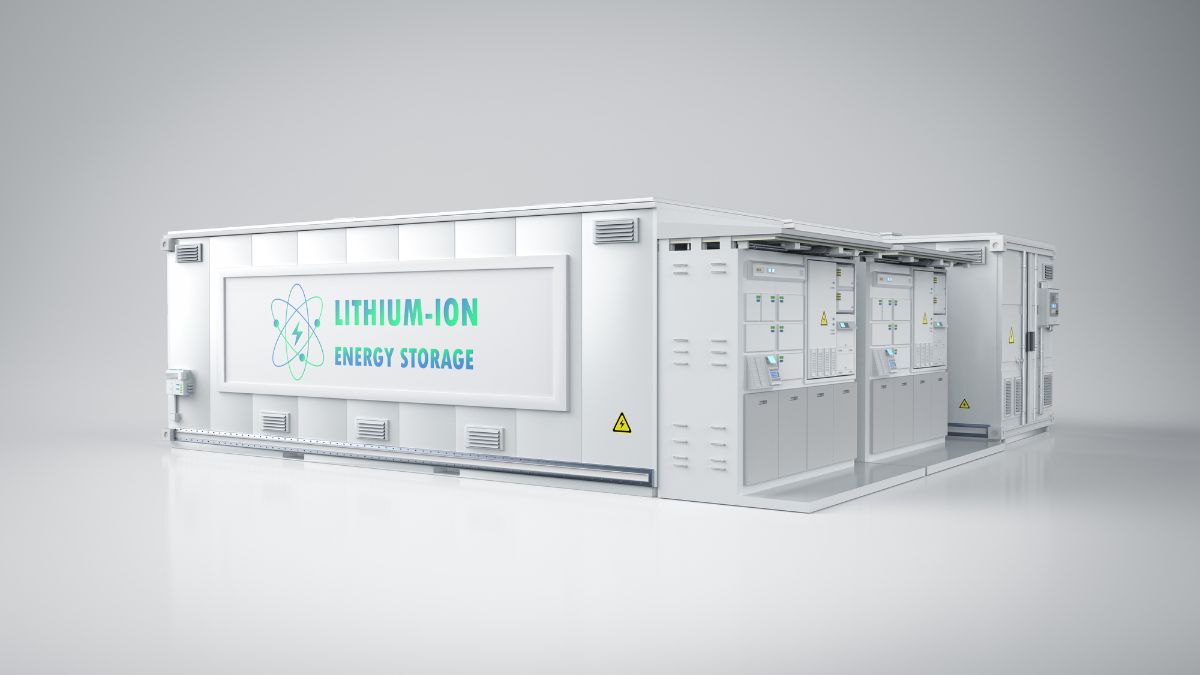
Modern solar batteries, such as lithium-ion batteries, are efficient and can store a large amount of energy. When electricity demand is high, the stored energy is released from the battery to power lights, appliances, or even entire buildings. Batteries also provide backup power during outages, making solar plus storage systems a reliable solution for a continuous energy supply.
How Solar and Batteries Work Together

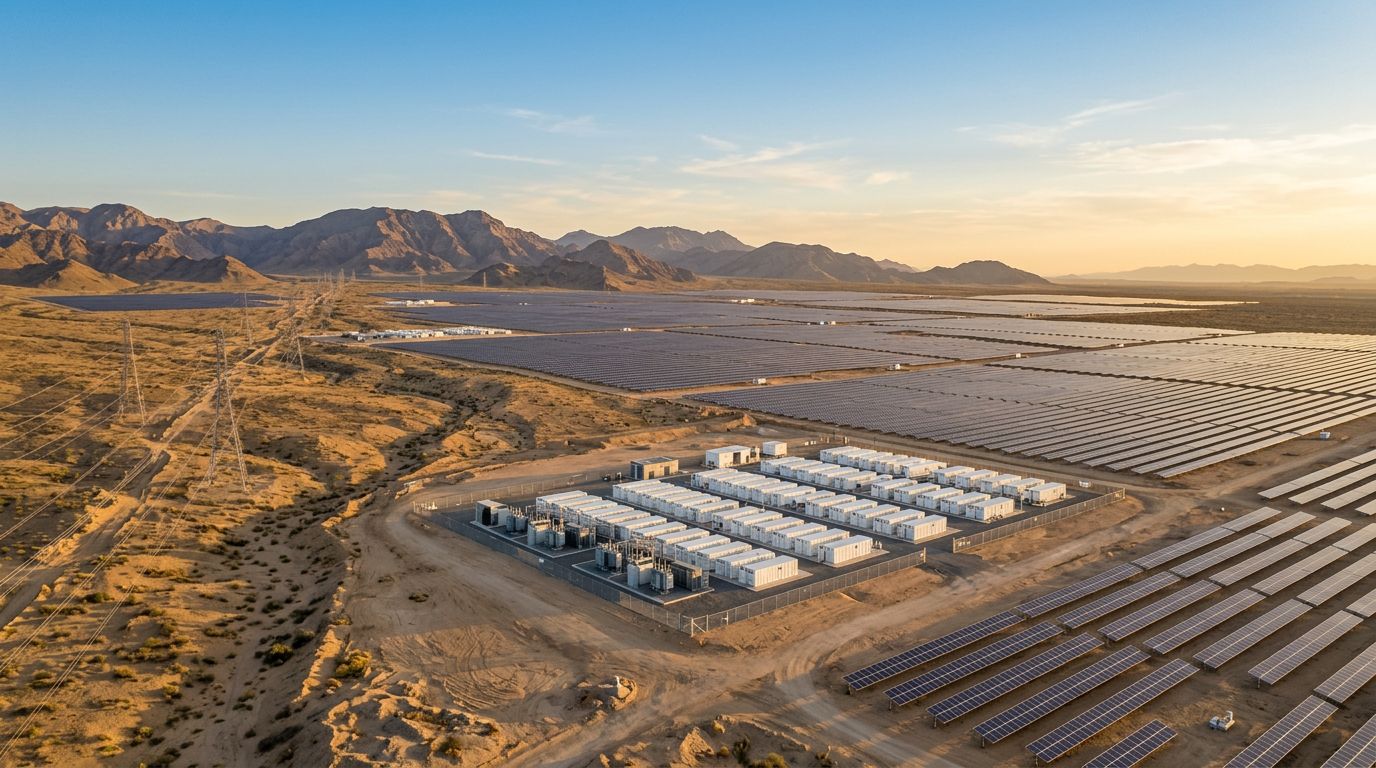
A solar plus storage system combines solar panels with batteries to create a self-sufficient energy setup. During the day, solar panels generate electricity. The energy is first used to meet immediate electricity needs. Any excess electricity charges the batteries.
When the sun sets or during cloudy periods, the system automatically draws power from the batteries to supply electricity. Some systems can also feed excess electricity back to the grid, a process called net metering, which may reduce electricity bills. Advanced solar plus storage setups can use smart energy management systems to optimize energy use, ensuring maximum efficiency and savings.
This combination helps reduce dependence on the traditional electricity grid, lowers energy costs, and promotes clean energy use. By storing energy locally, households and businesses can avoid high electricity tariffs during peak hours. As battery technologies improve and solar panel costs decrease, integrating solar and storage is becoming a practical and sustainable option for energy management worldwide.
Subscribe to get the latest posts sent to your email.