South Africa has achieved an important milestone in its energy sector by completing 300 consecutive days without loadshedding. This marks a major shift for the country, which has faced persistent electricity shortages and rolling blackouts for nearly two decades. The period without power cuts has brought relief to households, businesses, and the wider economy, offering hope that the long-standing energy crisis may finally be easing.
The key factor behind this achievement is the Operational Recovery Plan introduced by Eskom, the country’s national electricity provider. The plan focused on improving the performance and reliability of existing power stations through intensive maintenance and better operational management. Over the past few years, several generating units have been prone to breakdowns, which have contributed heavily to loadshedding. By carrying out scheduled maintenance and strengthening leadership at major power plants, Eskom was able to reduce unexpected outages and improve overall .
One important indicator of this improvement is the rise in the Energy Availability Factor. This metric measures how much of the installed electricity generation capacity is actually available to produce power at any given time. With fewer breakdowns and better plant performance, a larger share of the country’s power stations has been able to operate consistently, helping stabilize electricity supply across the grid.
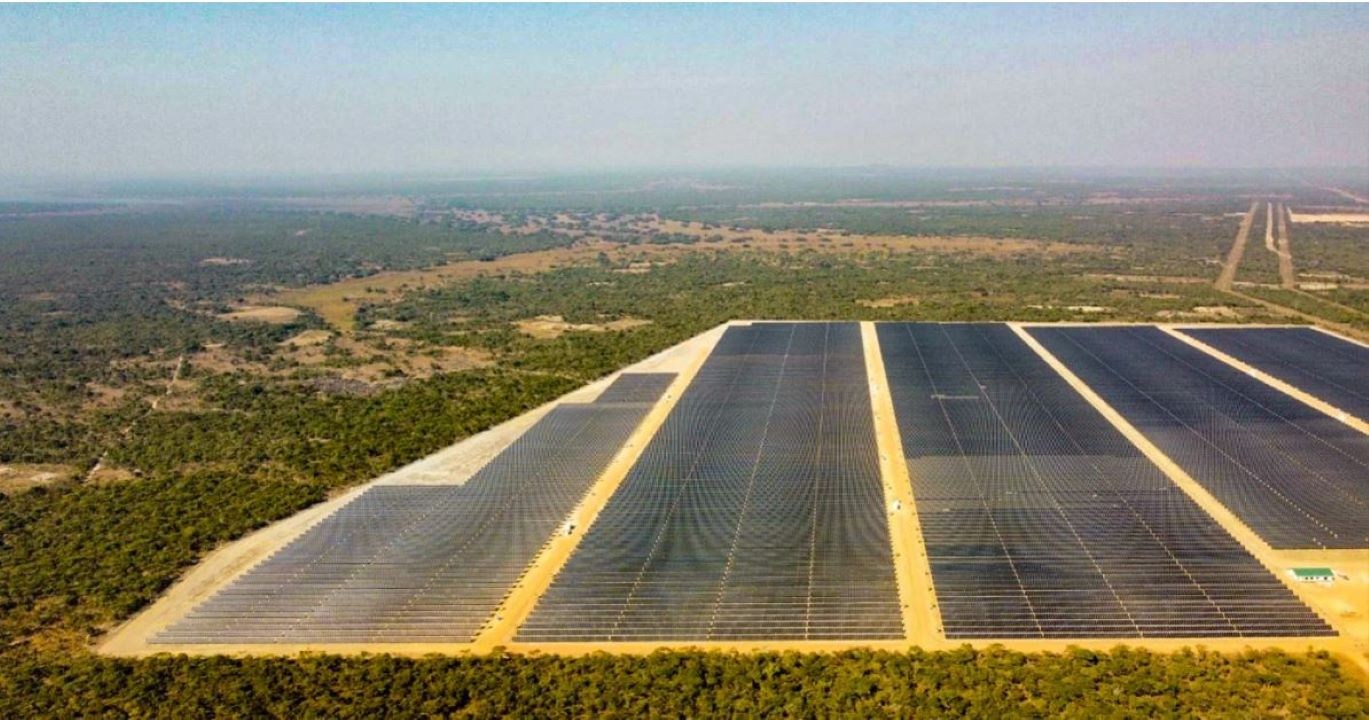
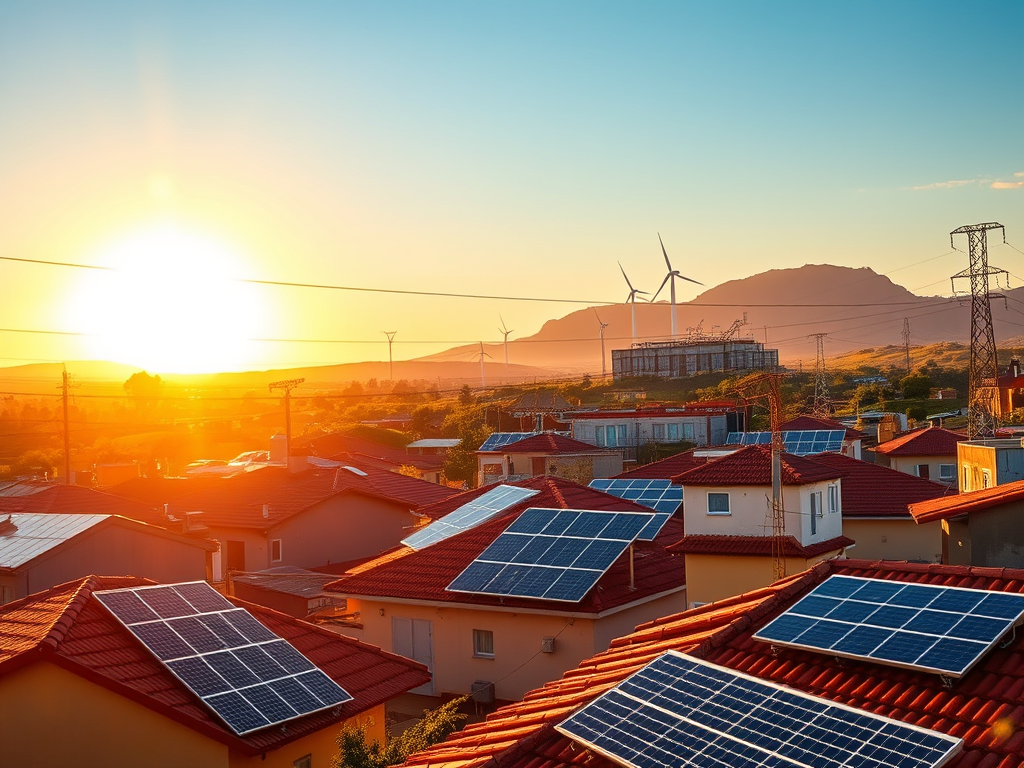
Another major contributor to the improved situation has been the rapid growth of renewable energy across South Africa. Private investment in solar and wind power has increased significantly in recent years. Many companies have installed their own solar systems to reduce dependence on the national grid and ensure reliable electricity for their operations. Rooftop solar installations on homes, factories, and commercial buildings have also expanded quickly.
These distributed solar systems have helped reduce electricity demand on the grid, particularly during daylight hours. As a result, Eskom has been able to conserve and rebuild its emergency power reserves, including pumped storage systems and gas turbines, which are typically used during periods of peak demand.
The absence of loadshedding for such a long period has had clear economic benefits. Industries that depend on a continuous power supply, such as manufacturing and mining, have been able to operate more smoothly without interruptions. This stability has improved productivity and reduced operational costs. Small businesses have also benefited, especially those that previously struggled to afford backup generators or battery storage systems.
Despite the progress, energy experts remain cautious about the long-term outlook. They note that while the current stability is encouraging, the electricity grid still requires significant investment. Expanding transmission infrastructure will be necessary to connect new renewable energy projects, many of which are located in remote regions, to major cities and industrial centers.
Even so, the achievement of 300 days without loadshedding demonstrates that progress is possible. With continued maintenance of power stations and greater integration of renewable energy, South Africa may be moving toward a more reliable and sustainable electricity system in the years ahead.
Subscribe to get the latest posts sent to your email.