

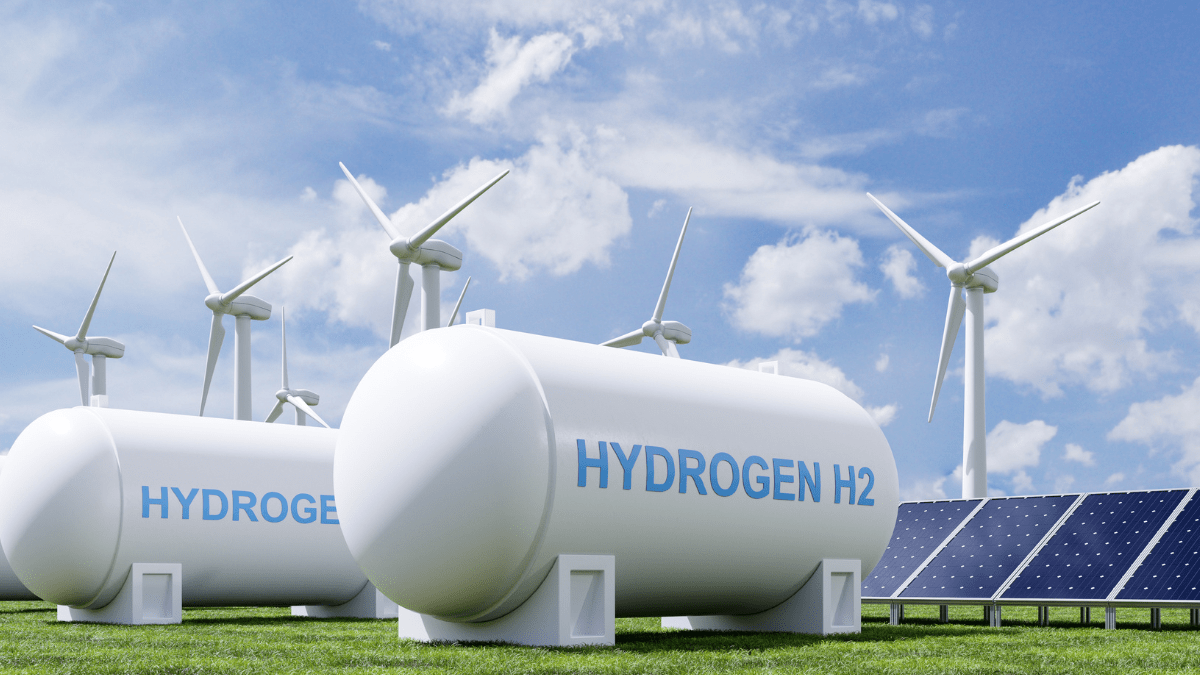
Green hydrogen is gaining global traction as a key solution for transitioning to a low-carbon economy. Produced using renewable energy through water electrolysis, green hydrogen eliminates greenhouse gas emissions, making it a cleaner alternative to traditional fuels. Countries worldwide, including Australia, China, India, and the USA, have implemented roadmaps to adopt this technology. Nepal, with its abundant hydropower and solar energy potential, stands uniquely positioned to integrate green hydrogen into its energy mix.
Nepal generates significant hydropower, with over 20,000 MW in development stages, and has surplus electricity during wet seasons. However, much of this energy risks being wasted without proper utilization. Green hydrogen provides an innovative way to use this surplus by converting it into a clean energy carrier that can replace fossil fuels in transportation, industry, and agriculture. Estimates suggest that using surplus electricity, Nepal could produce hydrogen at costs as low as $1.17 to $2.55 per kilogram, significantly lower than the global average of $5.91 to $12.75 per kilogram.
Applications for green hydrogen in Nepal include re-electrification, ammonia and fertilizer production, industrial heat, and zero-emission transportation. For instance, hydrogen could support the production of urea, a critical agricultural input. Utilizing just 40% of the projected surplus hydroelectricity could generate sufficient hydrogen to replace the country’s annual import of 300,000 tons of urea.
Despite its potential, green hydrogen adoption in Nepal faces challenges. High initial investment costs, lack of infrastructure, and minimal legal recognition for hydrogen-related activities are significant barriers. Infrastructure for production, storage, transportation, and distribution needs to be established. Additionally, a regulatory framework and safety standards are essential to ensure the secure handling and usage of hydrogen.
The legal environment in Nepal has yet to adapt to the green hydrogen economy. Current laws, such as the Electricity Act and Industrial Enterprises Act, do not explicitly include provisions for hydrogen. Introducing incentives like tax exemptions, subsidies, and support for public-private partnerships could accelerate green hydrogen adoption. For example, neighboring countries like India have implemented fiscal benefits to encourage hydrogen usage.
Institutions like Kathmandu University’s Green Hydrogen Lab (GHLab) are spearheading initiatives to integrate green hydrogen into Nepal’s economy. Collaborative efforts between the government, private sector, and international organizations like the Global Green Growth Institute (GGGI) are critical for scaling pilot projects and establishing a green hydrogen ecosystem.
In conclusion, green hydrogen presents Nepal with a unique opportunity to achieve energy security and meet climate commitments under the Paris Agreement. By addressing infrastructure gaps, implementing supportive policies, and leveraging its natural resources, Nepal can position itself as a leader in green hydrogen production and application. This clean energy solution promises a sustainable path forward, reducing dependency on fossil fuels and contributing to global decarbonization goals.








)