South Africa Faces 2028 Gas Crisis As Industries Seek Urgent Energy Alternatives

South Africa is heading toward a serious energy challenge as its supply of industrial gas is expected to run out by 2028. This situation, often called a “gas cliff,” could disrupt hundreds of factories that produce essential goods such as steel, glass, and food. Experts warn that without a quick and practical solution, the country could face major economic damage, including the loss of around 70,000 jobs and a decline of 4% to 7% in its GDP.

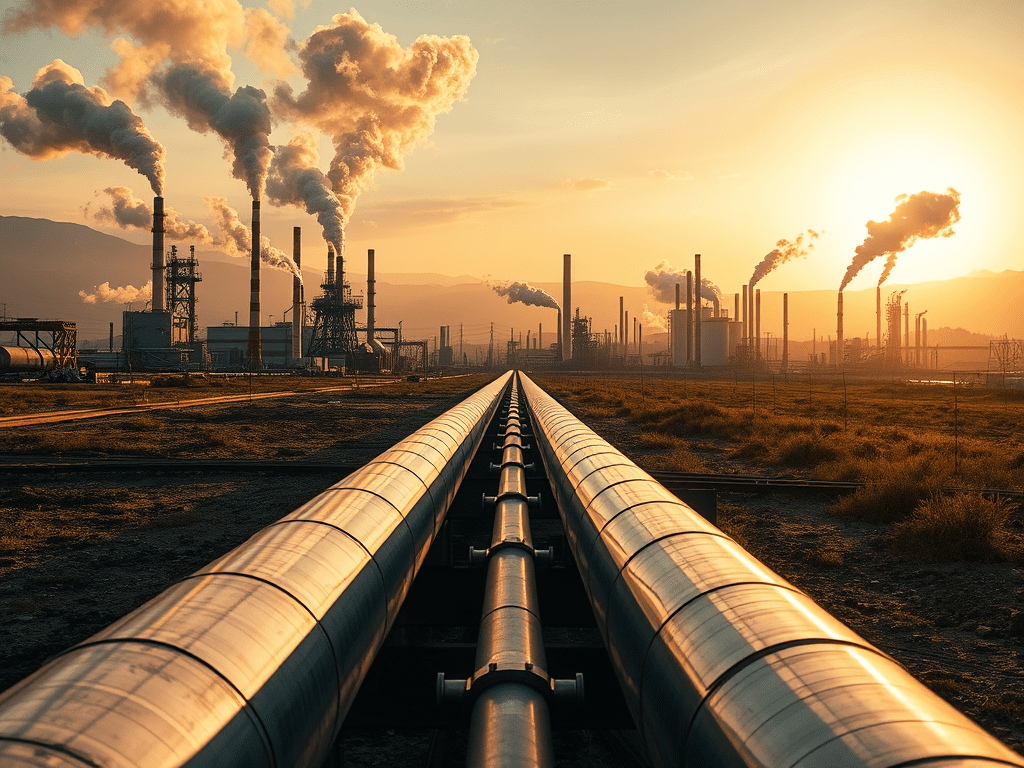
For many years, South Africa has depended on gas from the Pande-Temane fields in Mozambique, transported through pipelines operated by Sasol. However, these gas reserves are now close to depletion. Sasol has already announced that it will stop supplying gas to industrial customers by July 2028. Although there is some discussion about temporarily extending supply using synthetic gas, this option is not sustainable in the long run.

The situation is particularly difficult for industries such as steel and glass manufacturing, which require high and continuous heat that only gas can provide. Switching to electricity is not a simple option for these sectors. In some cases, moving to the current power grid could increase energy costs by up to six times, making local products too expensive to compete in global markets.

The government has proposed importing Liquefied Natural Gas (LNG) as a solution. However, this plan faces several challenges. Building the required infrastructure, including port facilities and regasification terminals, would cost at least $500 million. In addition, the size of South Africa’s industrial gas market may not be large enough to attract private investors. Even if the infrastructure is built, LNG is expected to cost about three times more than the current gas supply, which could still force many industries to shut down.

Another idea is to use LNG for electricity generation to make the investment more viable. However, critics argue that this approach is not practical, as renewable energy sources like solar and wind are already cheaper. Increasing electricity tariffs to support gas infrastructure could place an additional burden on consumers and businesses.

Researchers are now suggesting a more immediate and cost-effective alternative: Liquefied Petroleum Gas (LPG), especially propane. South Africa already has import terminals for propane at Richards Bay and Saldanha, which reduces the need for new infrastructure. Propane can be used as a direct replacement for natural gas in many industrial processes and is much more affordable to implement.

As the 2028 deadline approaches, believe that switching to propane could provide a practical bridge solution. It may help industries continue operating while the country gradually transitions to cleaner energy options like biogas or hydrogen.


Subscribe to get the latest posts sent to your email.
 

  • Related Posts

    Week in Africa: Mozambique 30 MW Solar Tender; SA 1.5 GW Hybrid Project; Guinea Mining Goes Solar and More…

    Mozambique has relaunched the tender for a 30 MW solar PV project in Dondo, Sofala Province. The project, led by MIREME and ARENE under PROLER, will select an IPP to…

    SP Energy Networks and Buglife Transform Substation Grasslands Into Thriving Pollinator Habitats Through the Pollinator B-Lines Project

    Through the Pollinator B-Lines project, our team has been working with Buglife to transform unused spaces at several electrical substations into thriving wildlife habitats. Locations such as Busby, Leven, Livingston…

    Have You Seen?

    Trump Says US Navy Acting ‘Like Pirates’ to Carry Out Naval Blockade of Iranian Ports

    • May 2, 2026
    Trump Says US Navy Acting ‘Like Pirates’ to Carry Out Naval Blockade of Iranian Ports

    Week in Africa: Mozambique 30 MW Solar Tender; SA 1.5 GW Hybrid Project; Guinea Mining Goes Solar and More…

    • May 2, 2026
    Week in Africa: Mozambique 30 MW Solar Tender; SA 1.5 GW Hybrid Project; Guinea Mining Goes Solar and More…

    SP Energy Networks and Buglife Transform Substation Grasslands Into Thriving Pollinator Habitats Through the Pollinator B-Lines Project

    • May 2, 2026
    SP Energy Networks and Buglife Transform Substation Grasslands Into Thriving Pollinator Habitats Through the Pollinator B-Lines Project

    With Costs Rising And Markets Tightening, America’s Farmers Turn To Solar To Protect Their Land And Livelihoods, SEIA Highlights

    • May 2, 2026
    With Costs Rising And Markets Tightening, America’s Farmers Turn To Solar To Protect Their Land And Livelihoods, SEIA Highlights

    Iberdrola Invests €14.5 Billion In Twelve Months, With Majority Directed To Networks In The UK And United States

    • May 2, 2026
    Iberdrola Invests €14.5 Billion In Twelve Months, With Majority Directed To Networks In The UK And United States

    Indore’s Jalud Solar Plant Marks New Renewable Finance Model with Citizen-Backed Green Bonds

    • May 2, 2026
    Indore’s Jalud Solar Plant Marks New Renewable Finance Model with Citizen-Backed Green Bonds

    Bonfiglioli India Signs 9 MWp Solar Power Deal with Cleantech Solar for Tamil Nadu Operations

    • May 2, 2026
    Bonfiglioli India Signs 9 MWp Solar Power Deal with Cleantech Solar for Tamil Nadu Operations

    PT PLN (Persero) Signs MoU with Villages Ministry to Expand Rural Electrification in Indonesia

    • May 2, 2026
    PT PLN (Persero) Signs MoU with Villages Ministry to Expand Rural Electrification in Indonesia

    Mozambique Relaunches Tender for 30 MW Solar PV Project in Dondo

    • May 2, 2026
    Mozambique Relaunches Tender for 30 MW Solar PV Project in Dondo

    International Finance Corporation Partners with WindForce PLC for Sri Lanka’s First 100 MW Utility-Scale Solar Project

    • May 2, 2026
    International Finance Corporation Partners with WindForce PLC for Sri Lanka’s First 100 MW Utility-Scale Solar Project