The United States is experiencing its fastest surge in electricity demand in more than two decades, driven by record data centre construction, electrification, and the rapid growth of artificial intelligence (AI). This historic increase is drawing trillions of dollars in investment across power generation and billions more in electrical equipment. But with costs rising sharply, questions remain about how much of this investment reflects genuine opportunity—and how much will ultimately fall on consumers. These concerns were central to discussions led by Anna Shpitsberg, Global Head of Power and Renewables Research at Wood Mackenzie, during the 2026 ACORE Policy Forum.
The event brought together policymakers, utilities, investors, corporate leaders, legal experts, and clean energy innovators to examine how stable and predictable energy policy can ensure long-term business certainty and support affordable clean power. According to new projections from Wood Mackenzie, North American electricity demand is expected to grow at a compound annual growth rate of 2.8% over the next decade—an extraordinary jump compared to previous years. Much of this surge is driven by AI-related data centres, which are set to consume 17% of regional electricity by 2060. Electric vehicles (EVs) will add another 14% to total demand.
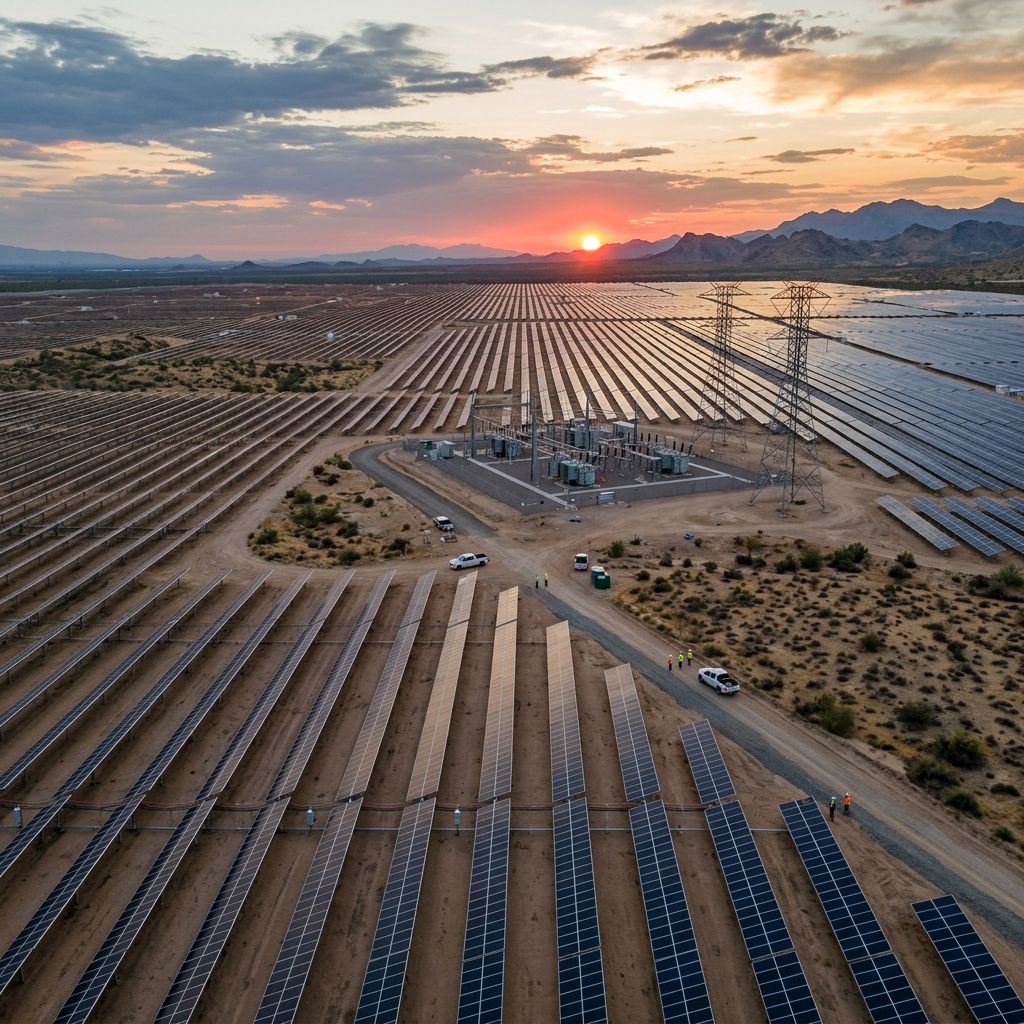
Meeting this growth will require massive investment. An estimated US$1.45 trillion in generation spending is expected across North America by 2035, with the U.S. alone accounting for US$1.36 trillion. Announced large-load power needs exceed 500 GW, though firm commitments—supported by financing, construction agreements, or long-term contracts—stand at 183 GW. While lower than initial announcements, this committed load still represents more than 20% of projected U.S. peak demand in 2025.
A major challenge lies in where this demand is concentrated. Over 70% of the committed load falls within the competitive markets of ERCOT and PJM Interconnection, where utilities are not required to secure capacity ahead of signing agreements. Recent trends in PJM show that supply will not materialize without adequate price signals. With PJM facing committed demand more than double its risk-accredited capacity, questions are emerging about whether upcoming reliability auctions will close this gap—and what that might cost.
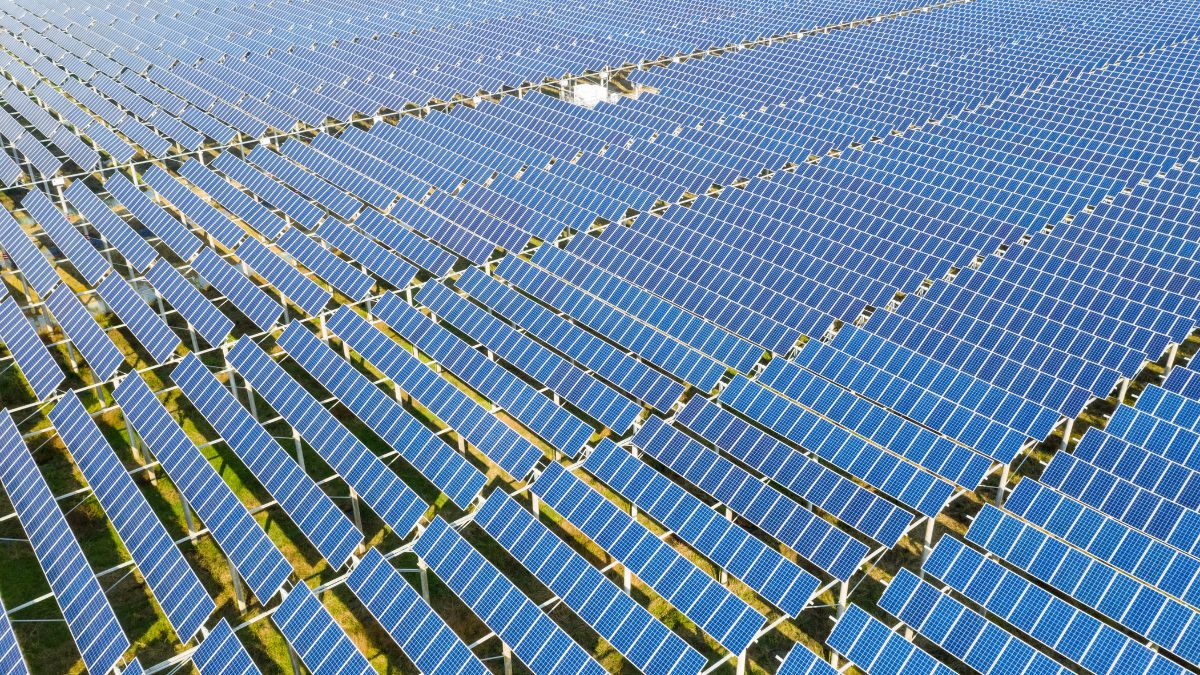
As power needs to climb, focus has shifted back toward thermal generation. Around a quarter of new investment through 2035 is expected to go into gas-fired capacity. However, retirements of older thermal plants and shortages of gas turbines mean that new gas projects will meet only about one-third of U.S. demand growth through 2030. The rest will need to be filled by renewable energy and storage additions. Although the phaseout of certain tax credits may create temporary slowdowns, demand and technology improvements are expected to sustain long-term growth in renewables.
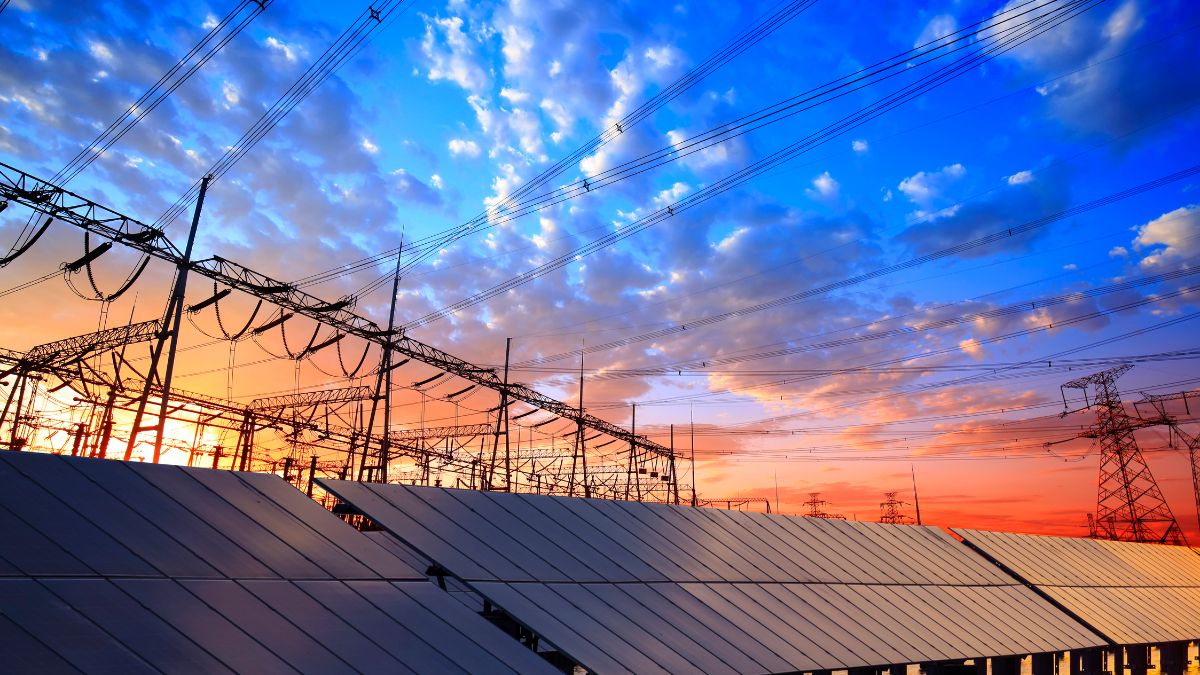
Yet supply chain pressure remains one of the biggest hurdles. Power transformer shortages—currently around 30%—are slowing transmission and grid interconnection efforts. Lead times for power and distribution transformers have stretched to nearly three years, far longer than in 2023. While U.S. manufacturers expand production, countries including South Korea and Brazil have more than doubled transformer exports to help meet demand. Gas turbine imports have surged 166% year-over-year, and renewable suppliers are shifting manufacturing locations in response to U.S. tariff changes.
These pressures have made the U.S. one of the most expensive markets in the world for building new power infrastructure. Costs for combined-cycle gas plants have reached roughly US$2,500 per kilowatt due to higher turbine demand and rising prices for steel, copper, and specialty alloys. Commercial solar installations now cost nearly 50% more than in Europe and almost triple the cost of similar systems in China. Prices for switchgear, transformers, circuit breakers, and cables have risen between 20% and 100% within the past year.
Rising soft costs including permitting, compliance, labour, and the effects of geopolitical trade shifts are also pushing prices upward. As a result, consumers are increasingly feeling the impact. Electricity prices rose 6.9% last year, outpacing inflation, and more than 200 gas and electric utilities have already raised rates or proposed increases. Despite these challenges, innovation remains a bright spot. Significant revenue is being reinvested into research and development, helping reduce hardware costs over time.
Historically, every 10% increase in deployment of technologies such as solar, wind, battery storage, and nuclear power has reduced levelised costs by up to 3%, depending on the technology. Experts say the key to maintaining affordability lies in keeping deployment strong while cutting non-infrastructure expenses. As the U.S. navigates soaring electricity demand, shifting policy landscapes, and mounting cost pressures, industry leaders argue that balanced investment and streamlined regulation will be critical. The nation’s ability to sustain economic growth—and keep energy prices in check—will depend on how effectively it can expand infrastructure while managing the financial burden on consumers.
Subscribe to get the latest posts sent to your email.