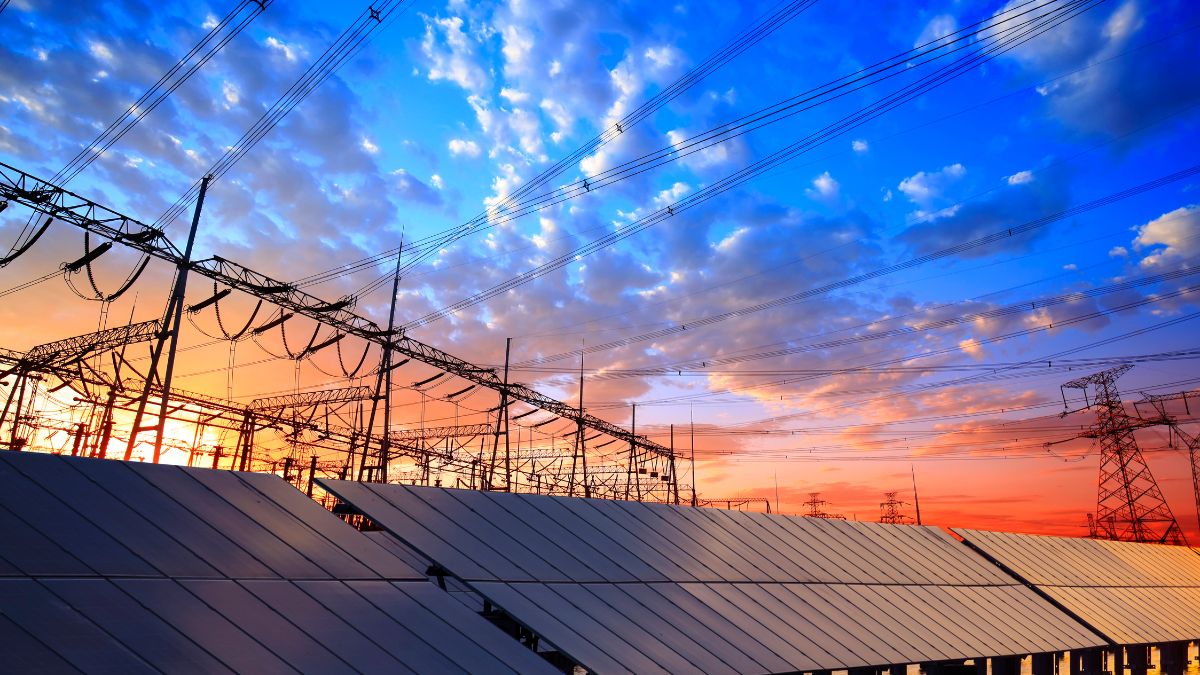
Governor Maura Healey has signed Executive Order 654, establishing a major new clean energy target for Massachusetts. Under this order, the state aims to bring 10 gigawatts (GW) of new energy resources online, under contract, or in development by 2035. The plan includes specific goals such as adding 4 GW of in-state solar power and 3.5 GW of demand-side resources, including virtual power plants. It also calls for an additional 5 GW of energy storage capacity to be operating or contracted by the same year.
In response to the announcement, Ruthie DeWit, Northeast State Affairs Director for the Solar Energy Industries Association (SEIA), issued a statement. She noted that Massachusetts is facing rising energy demand while residents continue to feel the pressures of a high cost of living. She emphasized that expanding the state’s energy supply is essential for keeping electricity affordable. According to her, the executive order directly addresses this challenge by accelerating the development of solar power and energy storage, which are among the fastest and most cost-effective energy solutions available.
She also highlighted that the order includes important steps to improve interconnection processes. These reforms are intended to reduce delays and help clean energy projects move forward more efficiently. She added that the solar and storage industry appreciates Governor Healey’s leadership and is prepared to support the state’s goals by delivering reliable and affordable clean power to Massachusetts residents. Massachusetts already has 5.8 GW of installed solar capacity, ranking 14th among U.S. states. This amount of solar energy is enough to power more than 960,000 homes.
The state also currently has 1 gigawatt-hour of installed energy storage capacity, which helps support the grid during periods of high demand. A recent study conducted by SEIA and Synapse Energy Economics showed that continuing Massachusetts’ strong focus on solar and energy storage could lead to significant benefits. The study found that by 2030, the state could see over $313 million in annual consumer savings while also improving grid reliability during the winter months
Subscribe to get the latest posts sent to your email.