Japan is preparing to start releasing crude oil from stockpiles held jointly by the country and oil producers as well as national stocks, Prime Minister Sanae Takaichi said in an X post.
The announcement follows the start of oil releases from private stockpiles earlier in March, with the second release beginning later this month at an unspecified date, and the tapping of national stockpiles starting March 26.
“Through these measures, we will respond with all our might to minimize the impact on economic activities,” Takaichi said, noting that the Japanese government had started subsidizing gasoline, diesel, heavy fuel oil, and jet fuel.
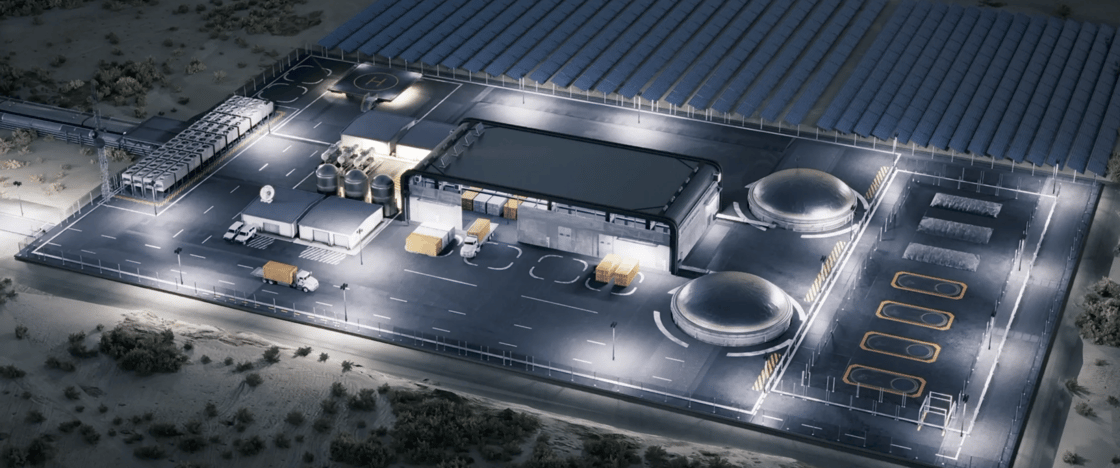
Reuters recalls Japan would release 80 million barrels of oil and fuels from its state reserve as part of the International Energy Agency’s coordinated release of 400 million barrels. The amount of oil jointly held in Japan by the state and three Gulf producers—Saudi Arabia, Kuwait, and the UAE—stands at 13 million barrels, which is enough to cover seven days of consumption in Japan.
The country’s finance minister, meanwhile, said the government stood ready to do whatever it takes to keep energy prices stable. The statement followed a Reuters report that the Takaichi cabinet was considering intervention in the oil futures market.
“It is widely said that speculative moves in crude oil futures markets are also affecting the foreign exchange market,” Minister Satsuki Katayama said, as quoted by the publication. “As the Japanese government, taking into account the impact that currency movements have on people’s lives and the economy, we are determined to take thorough action at all times and on all fronts,” she added.
Resource-poor Japan is overwhelmingly dependent on imported energy. In crude oil, Japanese refiners rely on imports from the Middle East for as much as 95% of their feedstocks. Most of the oil comes from Saudi Arabia, Kuwait, the United Arab Emirates, and Qatar. Of these Middle Eastern supplies, about 70% typically arrive in Japan on tankers traveling through the Strait of Hormuz.
By Charles Kennedy for Oilprice.com
More Top Reads From Oilprice.com
- Oil Prices Spike as Iran Denies U.S. Talks and Traders Refocus on Supply Risk
- Buyers Scramble for Seaborne Oil as Middle East War Continues
- Saudi Arabia Slashes Oil Supply to Asia as War Chokes Export Route