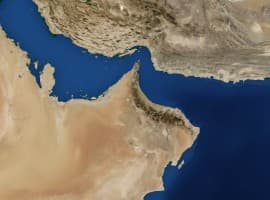
President Donald Trump said Thursday that Iran allowed 10 oil tankers to transit the Strait of Hormuz, describing the move as a “present” and a sign of progress in ongoing negotiations. The comment, made during a Cabinet meeting, offers the clearest indication yet of what the administration had been hinting at earlier this week—some limited easing at the world’s most critical oil chokepoint.
The details are scant. The White House has not confirmed specifics on the vessels, their cargo, or whether additional transits are expected. Trump suggested the ships were foreign-flagged, possibly Pakistani, and framed the move as a goodwill gesture from Tehran.
The market will take it for what it is: incremental and highly conditional.
Flows through the Strait of Hormuz have been restricted for weeks, with Iran effectively controlling passage and allowing select cargoes through at its discretion. The result has been a sharp dislocation between paper and physical markets, with Brent trading at $108 per barrel while physical barrels struggle to move.
Ten tankers does not fix that, but it’s a start.
At normal operating levels, the Strait handles roughly a fifth of global oil flows. Letting a small number of vessels through may ease some immediate pressure—particularly for buyers in Asia—but it does not restore anything close to normal trade.
But it does reinforce the point that access to the Strait is now a lever.
Iran appears willing to modulate flows, not reopen them outright. That keeps pressure on the global system while signaling just enough flexibility to keep negotiations alive.
Still, every barrel moving through Hormuz right now is doing so on someone’s terms.
By Julianne Geiger for Oilprice.com
More Top Reads From Oilprice.com
- Second Tanker Hit in Weeks as Black Sea Drone Strikes Russian Oil Cargo
- Iran Earning $139 Million a Day From Oil as Hormuz Crisis Locks Out Rivals
- Ukraine Knocks Out 40% of Russia’s Oil Export Capacity in Baltic Drone Strike