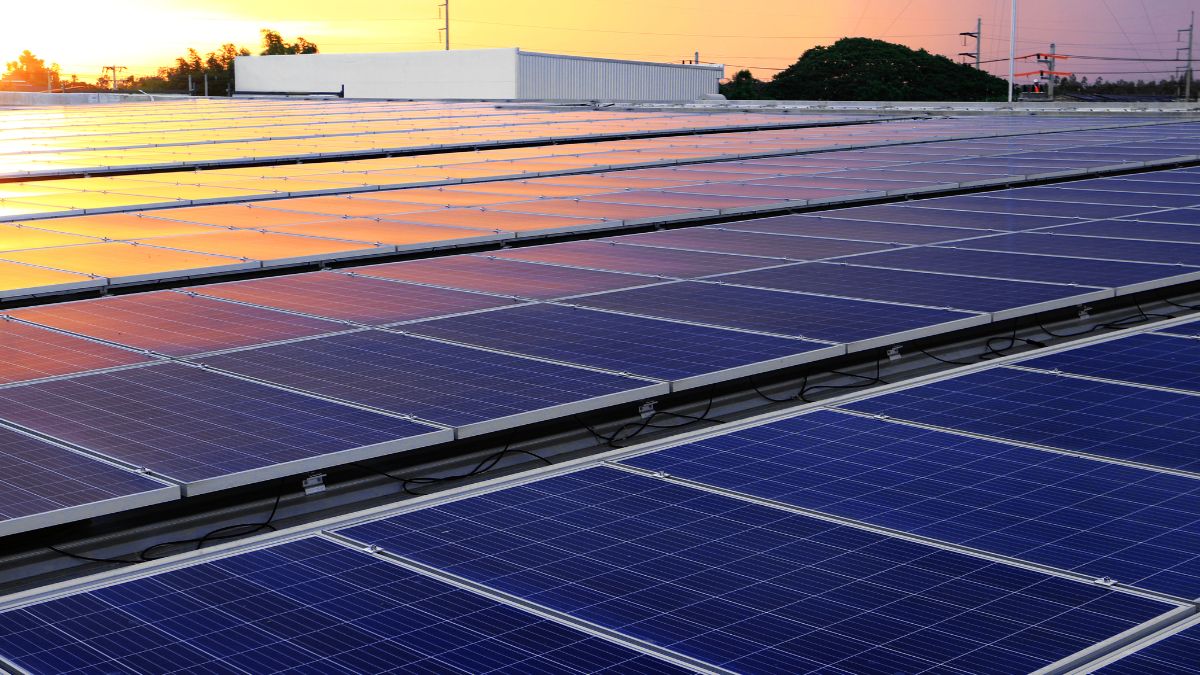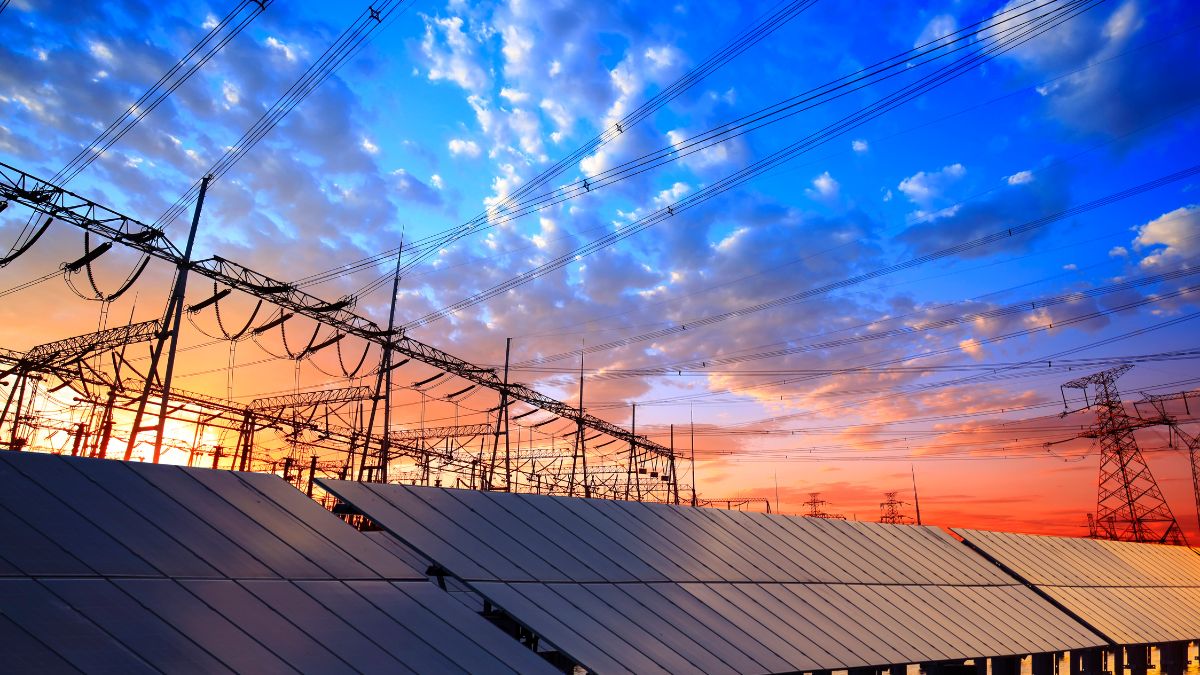
FedEx has expanded its renewable energy efforts in the Asia Pacific region by launching a new on-site solar installation at its Shanghai International Express and Cargo Hub. This development marks an important step in the company’s plan to build a more sustainable logistics network. With this project, FedEx has become the first and currently the only logistics company operating in the cargo area of Shanghai Pudong International Airport to generate its own solar power on-site.
The solar system has been installed over existing parking facilities at the Shanghai hub, covering more than 4,000 square meters. It is expected to generate around 743,000 kilowatt-hours of electricity each year. This clean energy production will mainly support office operations at the facility and help increase the share of renewable energy in daily activities. The company estimates that the system will reduce nearly 417 metric tons of carbon dioxide emissions annually compared to coal-based power. It will also cut about 2.1 tons of particulate matter and 4.21 tons of sulfur dioxide emissions.
This installation is part of a broader expansion of renewable energy projects by FedEx across the Asia Pacific. In South Korea, the FedEx Incheon Gateway has been using 2,400 rooftop solar panels since November 2022, generating about 19 percent of its monthly energy needs. The facility also uses fully LED lighting, saving more than 22,000 kilowatt-hours of energy each year. In Beijing, a rooftop solar system at the North China Regional Headquarters became operational in 2023, further adding to the company’s clean energy capacity.
In Singapore, the FedEx South Pacific Regional Hub has been using on-site solar power since January 2025, with more than half of its electricity needs now met through renewable sources. The solar installation there also supports the company’s electric vehicle fleet, showing how clean energy and transport electrification are being combined in operations.
FedEx has said that Asia Pacific is a key trade region and that future growth will depend on building a more resilient and sustainable logistics system. The company is focusing on reducing emissions and improving energy efficiency through multiple initiatives. So far, it has generated over 31 gigawatt-hours of solar energy from more than 30 locations worldwide.
The company is also expanding its electric vehicle fleet, which now includes over 8,000 vehicles globally. In China, more than 25 percent of operations have been electrified, while electric vehicle use is also growing in countries like Japan, Korea, New Zealand, and Thailand. In addition, FedEx is using digital tools, artificial intelligence, and automation technologies to improve efficiency and reduce environmental impact.
Through its community program, FedEx Cares, the company is working with local organizations on environmental projects. In the last financial year, employee participation in such programs increased, with activities like tree planting, mangrove restoration, and riverbank clean-ups contributing to sustainability efforts in the region.
Subscribe to get the latest posts sent to your email.