Pham Minh Chinh has issued a major directive to strengthen Vietnam’s energy security by focusing on electricity conservation and expanding rooftop solar power. This step comes at a time when the country is facing rising pressure to ensure a stable power supply to support its growing economy while also meeting global climate goals.
The Prime Minister said that maintaining a reliable and sufficient electricity supply is one of the government’s top priorities. He has asked all sectors, including government offices, businesses, and households, to actively reduce energy use. The aim is to avoid power shortages, especially during peak demand periods, and to encourage a long-term culture of saving energy across the country.
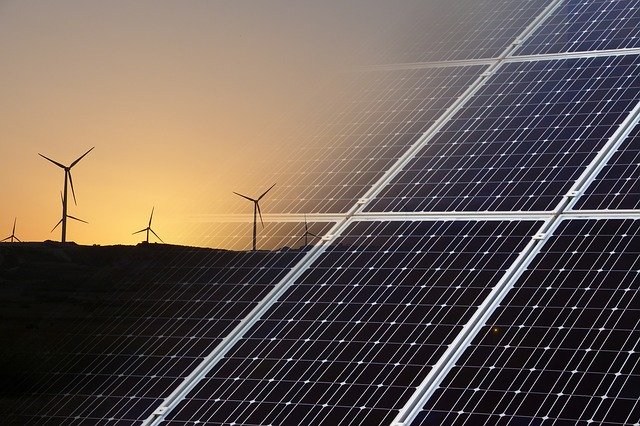
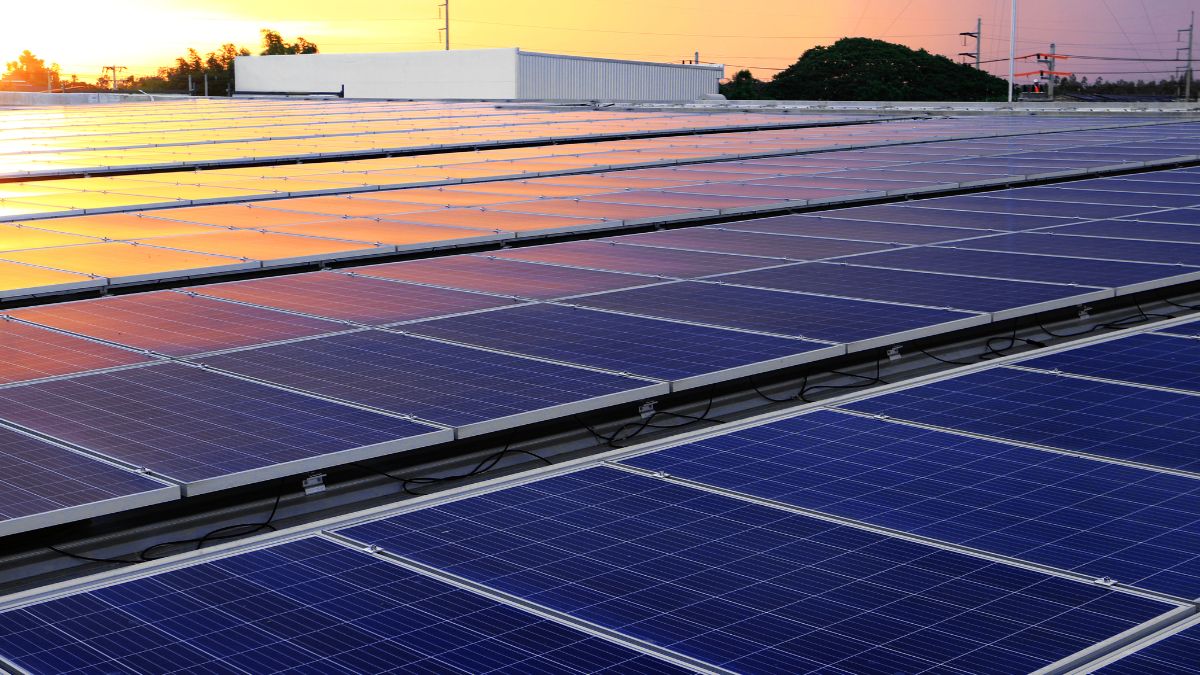
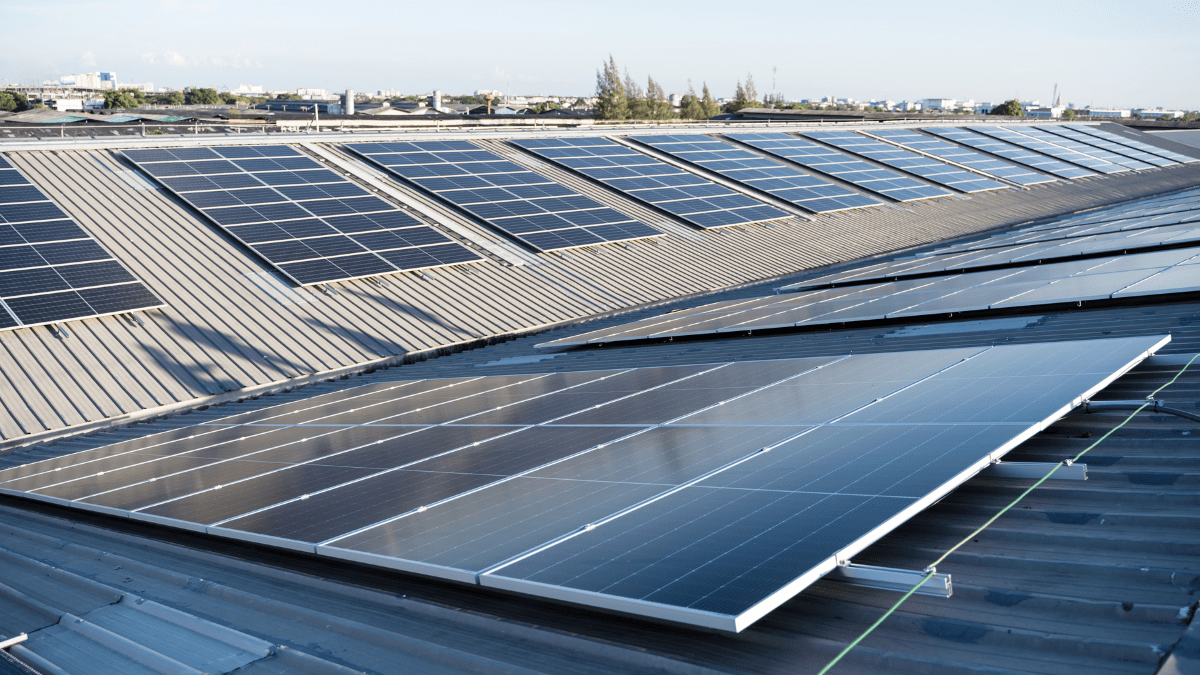
A key part of this plan is the rapid development of rooftop solar systems. The government wants to make it easier for people and companies to install solar panels by reducing complex procedures and creating a more supportive policy environment. By promoting self-production and self-consumption of electricity, Vietnam hopes to reduce pressure on the national grid. There is also a possibility that users could sell extra electricity back to the grid, creating benefits for both individuals and the power system.
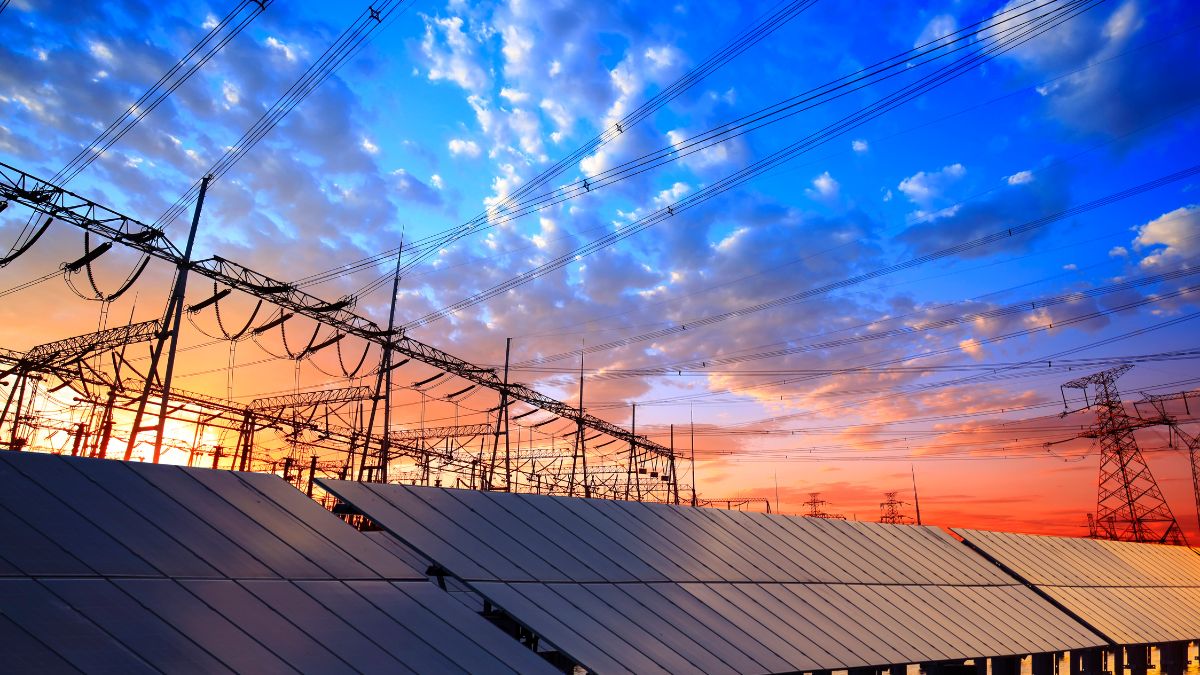
The directive also highlights the importance of improving power infrastructure. One of the major projects mentioned is the 500kV Circuit-3 transmission line, which will help move electricity from regions with surplus power to areas facing shortages. The Ministry of Industry and Trade and Vietnam Electricity have been instructed to speed up the work and solve any delays quickly.
At the same time, the government is focusing on a balanced energy mix. While renewable energy like solar is being promoted, Vietnam will continue to depend on hydropower and thermal power to ensure stability. This approach will help reduce risks linked to weather changes or fuel price fluctuations.
Local authorities have also been given an important role. They are expected to monitor energy use more closely and take action at the local level to improve efficiency. This step is expected to bring faster and more visible results.
Overall, this directive outlines Vietnam’s strategy to secure its energy future. By combining immediate energy-saving actions with long-term investment in renewable energy, the country aims to build a strong and reliable power system while moving toward its net-zero target by 2050.
Subscribe to get the latest posts sent to your email.