Cape Town Taps Waste-To-Energy To Boost Power Supply And Cut Landfill Pressure

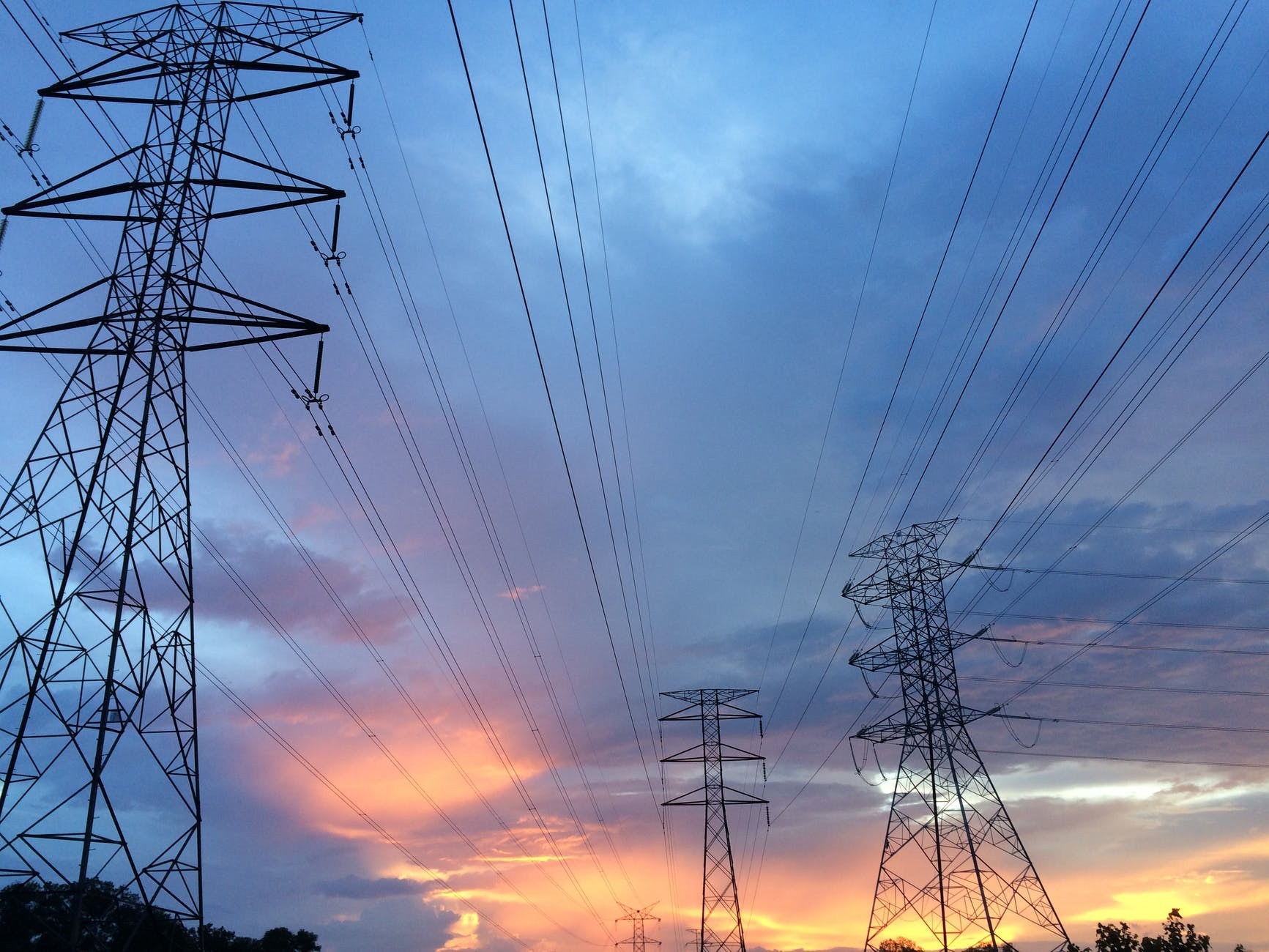
An industrial facility operates at dusk with a city skyline and mountain backdrop.

The City of Cape Town has taken a major step toward improving both waste management and energy supply by inviting independent power producers to generate electricity from waste. This initiative is part of the city’s larger plan to diversify its energy sources, reduce dependence on Eskom, and address the growing issue of limited landfill space.

To move forward, the city has released a Request for Proposals under a competitive Power Purchase Agreement program focused on waste-to-energy projects. These projects will use technologies that convert organic and non-recyclable waste into electricity. By doing this, Cape Town aims to turn everyday waste into a useful energy resource, helping both the environment and the power sector.

One of the key reasons behind this move is the rapid decline in available landfill space. Traditional waste disposal methods, which rely on dumping and burying garbage, are becoming unsustainable due to land shortages and environmental risks. By redirecting waste toward energy production, the city can reduce the volume of waste going to landfills. This will help extend the life of existing landfill sites and also cut down harmful emissions like methane, which is released when waste decomposes.

The initiative also supports the city’s efforts to deal with South Africa’s ongoing energy challenges, including frequent power outages. By encouraging private companies to participate, Cape Town is promoting innovation and investment in clean energy solutions. The electricity generated from these waste-to-energy plants will be supplied directly to the city’s grid, providing a more stable and locally produced source of power.

The bidding process has been designed to ensure that only the most efficient and environmentally responsible projects are selected. Companies will need to show that their technologies are reliable and meet strict environmental guidelines. This will help maintain high standards while also ensuring value for money. This development represents a shift in how cities can manage both waste and energy together. By combining these two areas, Cape Town is moving toward a circular economy model, where waste is reused rather than discarded. If successful, this program could inspire other cities facing similar problems with waste disposal and energy shortages. Overall, the initiative offers a practical solution that supports cleaner surroundings and a more secure energy future.


Subscribe to get the latest posts sent to your email.

 

  • Related Posts

    Zimbabwe Clean Energy Week 2026 Draws Closer as Industry Leaders Prepare to Meet in Harare  

    As 3 December 2026 draws closer, momentum is building toward the 5th Edition Zimbabwe Clean Energy Week 2026, one of the country’s leading platforms for renewable-energy dialogue, industry collaboration and…

    KSERC Caps Short-Term Power Procurement At INR 8 Per Unit, Approves 164.16 MU In Kerala

    The Kerala State Electricity Regulatory Commission (KSERC) has approved a reduced short-term power procurement plan for the Kerala State Electricity Board Limited (KSEBL), allowing the utility to purchase 164.16 million…

    Have You Seen?

    EU Scrambles to Contain Energy Price Crisis Ahead of Winter

    • October 29, 2026
    EU Scrambles to Contain Energy Price Crisis Ahead of Winter

    EU Rules Out New Climate Finance Pledges at COP31

    • October 29, 2026
    EU Rules Out New Climate Finance Pledges at COP31

    Equinor Doubles Estimate for Major North Sea Gas Discovery

    • October 29, 2026
    Equinor Doubles Estimate for Major North Sea Gas Discovery

    What Would a Midterm Democrat Sweep Mean for USA Oil, Gas?

    • October 29, 2026
    What Would a Midterm Democrat Sweep Mean for USA Oil, Gas?

    Zimbabwe Clean Energy Week 2026 Draws Closer as Industry Leaders Prepare to Meet in Harare  

    • October 29, 2026
    Zimbabwe Clean Energy Week 2026 Draws Closer as Industry Leaders Prepare to Meet in Harare  

    KSERC Caps Short-Term Power Procurement At INR 8 Per Unit, Approves 164.16 MU In Kerala

    • October 29, 2026
    KSERC Caps Short-Term Power Procurement At INR 8 Per Unit, Approves 164.16 MU In Kerala

    UPERC Approves 300 MW Round-The-Clock Renewable Energy Procurement For Noida Power Company

    • October 29, 2026
    UPERC Approves 300 MW Round-The-Clock Renewable Energy Procurement For Noida Power Company

    Air Liquide weighs industrial restructuring as European chemicals struggle

    • October 29, 2026
    Air Liquide weighs industrial restructuring as European chemicals struggle

    Malaysia’s 200 MW Chereh Floating Solar Project Advances with Construction Launch and MYR 580 Million Funding

    • October 29, 2026
    Malaysia’s 200 MW Chereh Floating Solar Project Advances with Construction Launch and MYR 580 Million Funding

    PVH Showcases AxoneDuo Infinity Solar Tracker at REI Expo 2026, Strengthens Engagement with Indian Solar Industry  

    • October 29, 2026
    PVH Showcases AxoneDuo Infinity Solar Tracker at REI Expo 2026, Strengthens Engagement with Indian Solar Industry