By
14 min ago 3 min read
UK PEM electrolyser maker ITM Power has partnered with Rheinmetall to support the German defence firm’s plans to build a network of decentralised green hydrogen-based e-fuel plants across Europe.
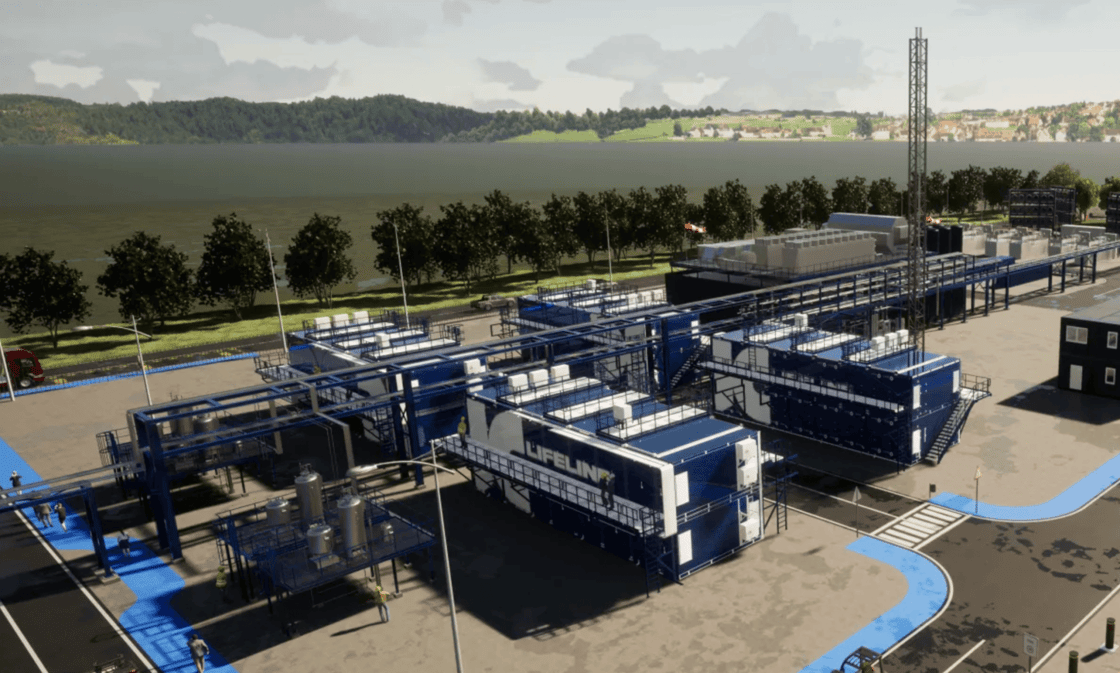
Rheinmetall’s Giga PtX programme sets out plans to deploy “several hundred” e-fuel plants with around 50MW of electrolyser capacity to produce up to 7,000 tonnes of drop-in NATO fuels.
ITM said the project represents a “significant potential growth market” for large-scale hydrogen production technologies.
The arms maker says the programme will help strengthen defence energy resilience, domestic European fuel capability, and operational readiness.
It is also working with German alkaline electrolyser on the project, while e-fuel player will supply Fischer-Tropsch synthesis technologies, and Greenlyte Carbon Technologies will support with direct air capture of carbon dioxide (CO2).
Rheinmetall has not confirmed a timeline for the rollout of plants under the programme, or how the two electrolyser makers would individually contribute.
E-fuels are produced by combining green hydrogen and CO2, creating a fuel chemically identical to fossil fuels.
Rheinmetall’s Head of Hydrogen Program, Shena Britzen, said the fuels were a “strategic necessity” to reduce reliance on fragile fuel supply chains.
“With Giga PtX, we are creating a scalable network that strengthens energy autonomy for Europe’s defence forces,” she said.
Dennis Schulz, CEO of ITM, added, “Reliable access to fuel is fundamental to defence capability, and decentralised production offers a structurally more resilient alternative to traditional supply chains.”
Despite the opportunity for e-fuels to power existing military hardware, their cost remains a significant barrier in commercial markets. Estimates suggest e-diesel will remain at least €2 ($2.36) per litre more expensive than wholesale fossil diesel in 2030.
However, Britzen previously told H2 View that the security they offer will be a driving factor in defence uptake.
“The relevant question is not the marginal fuel price, but the cost of operational failure due to fuel scarcity,” she said.
Global fuel supply chains are now a military liability, but green hydrogen-based synthetic fuels offer the chance to harden logistics against disruption, even at a premium.
That’s the view of Shena Britzen, Head of Hydrogen Program at German defence firm Rheinmetall, who told H2 View lessons learned from the war in Ukraine will “shape” the starting point for future high-intensity conflicts.
“We are seeing how effective disrupting and destroying an opponent’s fuel infrastructure is on an everyday basis in Ukraine,” she said…
Click to keep reading.