Days after saying it would not extend a sanction waiver for Russian crude sold to Indian refiners, the U.S. Treasury Department changed its mind and extended the waiver for two weeks until mid-May.
According to an Indian Express report, the U-turn appears to have come as a result of pressure exerted on Washington by importers that turned to Russian barrels to replace lost supply from the Middle East.
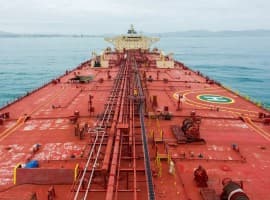
After the U.S. issued the sanction waiver in March, a race began for Russian oil cargoes at sea, with several tankers even diverting from China to supply their cargoes to Indian buyers, according to shipping data from earlier this month. In just the first two weeks of March, the volume of Russian crude on the water fell by more than 20 million barrels, which is equivalent to a drawdown rate of over 2 million barrels per day, Vortexa reported in mid-March.
Later data revealed India’s imports of Russian crude surged by 90% from February to March, following subdued purchasing in the last two months of last year, after the United States imposed sanctions on Rosneft and Lukoil—Russia’s biggest exporters. The intake of Russian crude soared despite an overall 15% decline in India’s crude oil imports.
The situation in the Middle East, meanwhile, remains tense despite last week’s signs of a thaw and a statement by the U.S. that the Strait of Hormuz was open to all traffic. The latest news from the region is that the U.S. seized an Iranian-flagged vessel in the strait, claiming it was trying to break its blockade—which the U.S. did not lift after Iran said it would reopen the Strait of Hormuz as part of a ceasefire agreed earlier.
Oil prices rebounded on the news about the seizure, after dipping last week on the ceasefire news. The longer prices remain elevated, the harder India would work to secure affordable imports.
By Irina Slav for Oilprice.com
More Top Reads From Oilprice.com
- Oil Prices Surge After U.S. Seizes Iranian Vessel Near Hormuz
- Strait of Hormuz Faces Full Shutdown as Iran Escalates Standoff
- First Crude Cargo Clears Hormuz Since U.S. Blockade Began